The vibrant tapestry of Christian hymnody is woven with theological profoundness, and few themes resonate as deeply as the raw, relatable humanity of Jesus Christ. While hymns naturally exalt his divinity as the Son of God, they often simultaneously anchor his narrative in earthly experience—illustrating a Savior who walked our paths, felt our pains, and ultimately shared our mortality. This powerful juxtaposition of human vulnerability and divine nature provides believers with a tangible source of comfort and a profound sense of shared identity with the divine.
A God Who Wept and Bled: Embracing Our Vulnerability
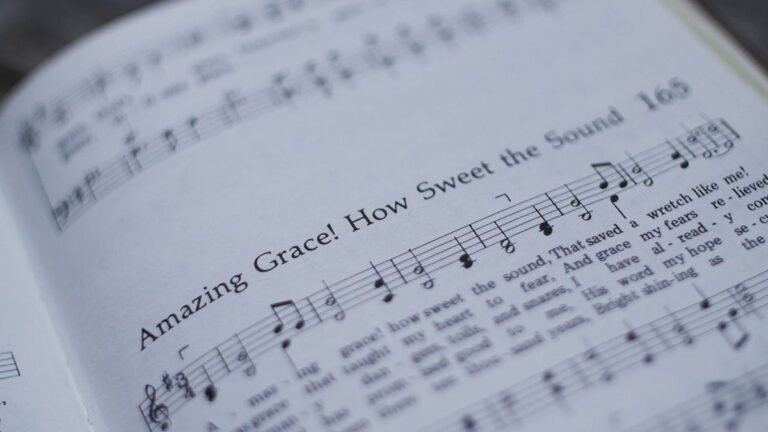
Hymns have a unique power to connect with us on an emotional level, often bypassing intellectual barriers to speak directly to the heart. This ability to stir deep feelings makes them a powerful tool for expressing faith and experiencing spiritual connection. Consider the solemn verses of classic hymns that depict Jesus Christ not merely as a distant deity, but as one who knew physical suffering and emotional anguish. The poignant lines of “O Sacred Head, Now Wounded” focus with stark realism on his physical suffering, emphasizing the weight of the cross and the blood shed for humanity. Similarly, lyrics in numerous Lenten hymns recall his tears shed over Jerusalem or in the Garden of Gethsemane. These visceral descriptions resonate because they mirror our own experiences of pain, grief, and physical frailty. By acknowledging Christ’s capacity to weep and bleed, hymns bridge the gap between human frailty and divine compassion.
The Savior Who Calls Us Friends: Bridging the Divine-Human Divide
Beyond the shared experiences of suffering, hymns also celebrate the relational aspect of Christ’s humanity. In “What a Friend We Have in Jesus,” the lyrics invite believers into an intimate relationship, portraying Christ as a companion who understands our trials and offers unwavering support. This relatable portrayal makes him accessible, challenging the notion of an unapproachable God. The phrase “called us friends” highlights a level of equality and shared understanding, emphasizing Christ’s willingness to connect with us on a personal level.