Throughout church history, sacred music has served as more than just a weekly reflection on past events; it has frequently functioned as a profound bridge to the future. While the majority of Christian liturgy focuses on historical foundations like the birth, death, and resurrection of Jesus, an entire category of traditional hymns is dedicated to an event that has not yet happened: the Second Coming of Christ. These compositions translate theological doctrine into emotional reality, giving believers a structured way to voice their ultimate hopes, expectations, and readiness for a promised future return.
Composing for an Unseen Horizon
Writing a hymn about a future event requires a distinct balance of poetic imagery and spiritual conviction. Authors like Charles Wesley and Henry Alford did not approach the Second Coming as an abstract philosophical concept; they wrote about it with the vivid clarity of eyewitnesses. By drawing heavily on biblical metaphors—such as trumpet blasts, clouds of glory, and the gathering of nations—these writers created lyrics that help congregations visualize an unseen horizon. The resulting stanzas transform distant prophecy into immediate, personal expectation, allowing singers to rehearse a future reality in the present.
Traditional Church Pipe Organ. Source: The Basilica of the National Shrine of the Immaculate Conception
Melodies That Echo Majesty and Resolve
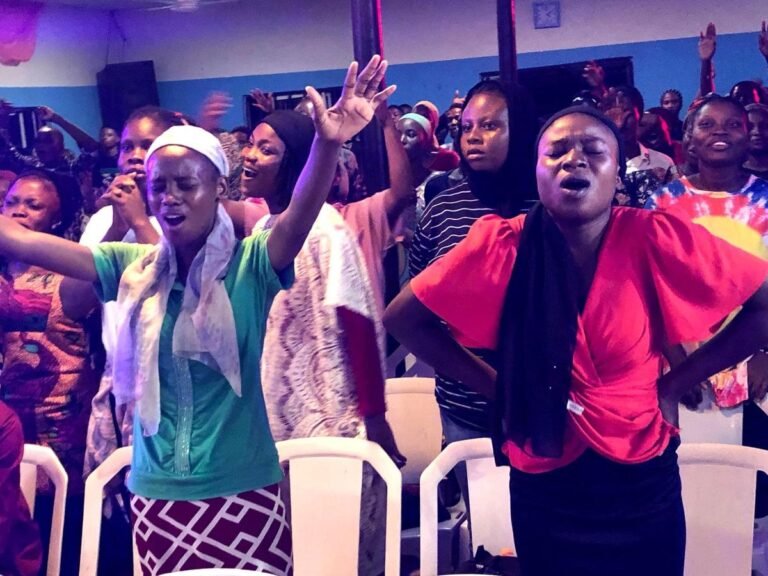
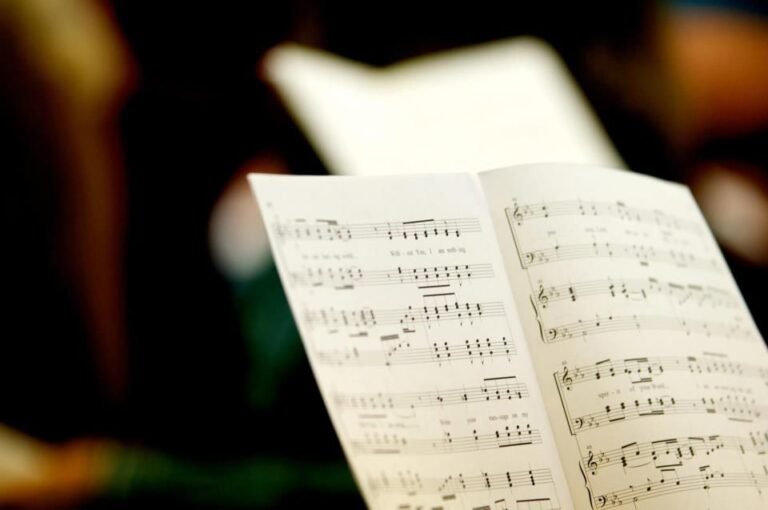
The musical arrangements accompanying these eschatological texts are intentionally crafted to convey majesty, solemnity, and triumphant resolve. Composers paired these lyrics with soaring, resolute melodies and sweeping harmonic progressions that avoid a sense of final resolution, symbolizing a story that is still awaiting its ultimate climax. When congregations lift their voices in unison to these grand arrangements, the sheer volume and dynamic lift of the music mirror the monumental scale of the anticipated event, uniting the community in shared anticipation.
Finding Comfort and Focus in Uncertain Times
Beyond theological expression, these hymns historically provided profound comfort to believers navigating periods of hardship, persecution, or societal instability. Singing about a future restoration shifts perspective away from immediate trials and places focus on an ultimate resolution of justice and peace. This forward-looking posture instills patience and resilience, reminding worshipers that current difficulties are temporary interruptions within a larger, divinely guided narrative that culminates in renewal.
The Timeless Relevance of Anticipatory Worship
The enduring popularity of hymns dedicated to Christ’s return highlights a fundamental human need to look beyond the immediate present. Even in a modern, fast-paced world, these classic compositions retain their power because they address the universal human desire for closure, justice, and ultimate peace. By preserving these songs across generations, communities of faith continue to articulate an active, hopeful expectation—proving that the most powerful music is often written not just for the world as it is, but for the world as it is yet to be.