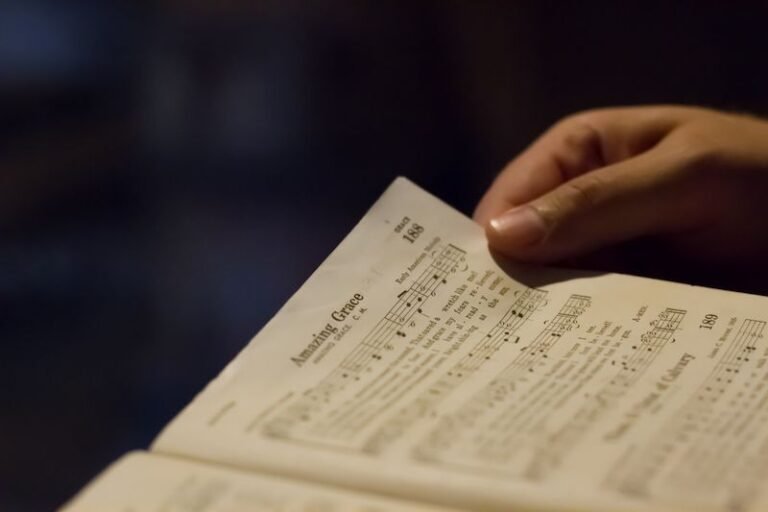
The concept of a ‘High Priest’ can feel abstract, rooted in ancient temple rituals that are distant from modern life. Yet, for centuries, Christian hymnody has translated this complex theological idea into powerful, personal language. Hymns do not just describe the crucifixion; they celebrate what Christ is doing right now as the living High Priest. This ongoing role of Christ, specifically his work of intercession, provides the bedrock for believers’ confidence and peace, a theme that resonates deeply in congregational singing.
The Advocate in the Heavenly Court
A core aspect of Christ’s priestly ministry, frequently highlighted in hymns, is his role as our defense attorney or advocate. When the accuser, often represented by guilt or the ‘law,’ points to human failure, Christ intercedes not by excusing the sin, but by presenting his completed sacrifice. He stands in the presence of God as the perfect mediator, having ‘appeared to put away sin by the sacrifice of himself’ (Hebrews 9:26). Hymns dramatically capture this scene, depicting Christ pleading our case before the divine throne, ensuring that mercy, rather than condemnation, is the final answer.
Showing the Scars: The Power of Remembered Sacrifice
The imagery of Christ’s suffering is central to his intercession. He is not a distant ruler; he is the ‘Lamb as it had been slain’ (Revelation 5:6). Hymns make this connection vivid, often describing him ‘presenting his wounds’ or ‘showing his hands and feet.’ This is not a gruesome display, but a constant, silent testament to the price he paid. By displaying his scars in heaven, Christ dynamically validates his ongoing advocacy. His very presence as the crucified and risen Lord is the everlasting plea for the forgiveness of those who trust him, making his intercession unbreakable and effective.
Perfect Sympathy: He Knows Our Struggle
A High Priest must be able to ‘sympathize with our weaknesses’ (Hebrews 4:15), a comfort hymns regularly emphasize. Because Christ was tempted in all things yet without sin, his intercession is not cold or legalistic. He understands exhaustion, rejection, and physical pain. When we struggle to find the right words to pray, his intercession fills the void. Hymns remind us that we do not have a distant or robotic advocate; we have a sympathetic friend whose pleading is fueled by first-hand knowledge of human frailty. His intercession is as much about present comforting and strength as it is about eternal security.
An Intercession That Never Ends
The final, perhaps most profound, aspect of Christ’s intercession celebrated in hymns is its unending nature. Unlike earthly priests who served and then died, Christ is a ‘priest forever’ (Hebrews 7:17). The phrase ‘Our High Priest Who Never Stops Pleading’ captures this tireless, active work. There is never a moment when the advocate is absent, distracted, or unavailable. His intercession creates an unshakable future. When we face our final hour or when the world ends, his enduring plea ensures that we are ‘kept by the power of God’ (1 Peter 1:5) and will one day stand in his presence, perfect and whole.