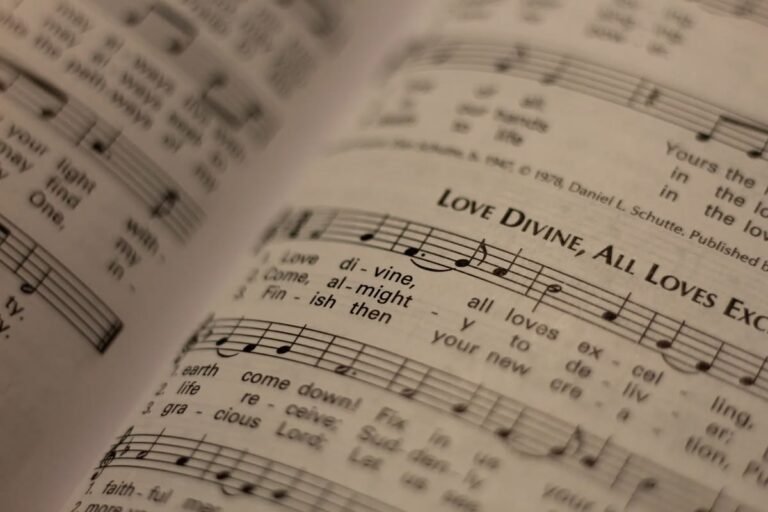
When modern church congregations open their hymnals, they find pages filled with joyful declarations of Christmas, reflective anthems for Good Friday, triumphant choruses for Easter, and powerful invocations for Pentecost. Yet, a close examination reveals a striking gap in standard worship repertoires: the Ascension of Christ. While Christian theology views Jesus’ return to heaven as a pivotal event that completes His earthly mission, congregational singing has largely pushed it to the background. This crucial milestone has quietly slipped out of regular view, leaving a noticeable void in the narrative arc celebrated through song.
Why the Ascension Was Pushed to the Margins
The relative scarcity of Ascension hymns is not due to a lack of biblical importance, but rather a shift in how modern church calendars emphasize holy days. Historically, the Ascension was celebrated with great vigor exactly forty days after Easter, serving as the bridge between Christ’s resurrection and the descent of the Holy Spirit. However, as contemporary worship schedules grew more streamlined, mid-week commemorative services faded from common practice. Without dedicated gatherings to mark the occasion, songwriters stopped producing new material for it, and older compositions gradually fell out of active rotation in Sunday morning services.
The Theological Necessity of Singing Christ’s Ascent
From a doctrinal perspective, omitting the Ascension from regular worship creates an incomplete picture of redemption. Christian theology teaches that the cross provides atonement and the resurrection offers victory over death, but the Ascension marks Christ’s formal coronation and His ongoing role as an intercessor in heaven. Without songs that celebrate His enthronement, congregations miss out on the vital reassurance that humanity has an advocate seated at the right hand of power. Restoring these themes to corporate worship anchors believers in a robust, comprehensive view of Christ’s eternal authority rather than focusing solely on His earthly ministry.
Rediscovering the Hidden Gems of the Repertoire
Fortunately, the church does not need to invent new ways to celebrate this milestone; powerful historical texts already exist within traditional archives. Masterpieces like Charles Wesley’s “Hail the Day That Sees Him Rise” and Thomas Kelly’s “Look, Ye Saints, the Sight is Glorious” capture the majesty, triumph, and emotional weight of the Ascension with stunning clarity. These compositions utilize uplifting, soaring melodies that match the theological height of the event, offering congregations a chance to engage their voices in celebrating Christ’s royal status and ultimate exaltation.
Reclaiming a Complete Musical Narrative
Bringing the Ascension back into regular rotation is an essential step toward enriching modern worship and deepening theological literacy. When churches intentionally program hymns that cover the entire span of Christ’s narrative—from birth and sacrifice to resurrection and heavenly reign—they offer believers a more balanced spiritual diet. Reclaiming these forgotten songs bridges the gap between historical liturgy and modern expression, ensuring that every chapter of the Christian story receives the joyful, musical celebration it deserves.