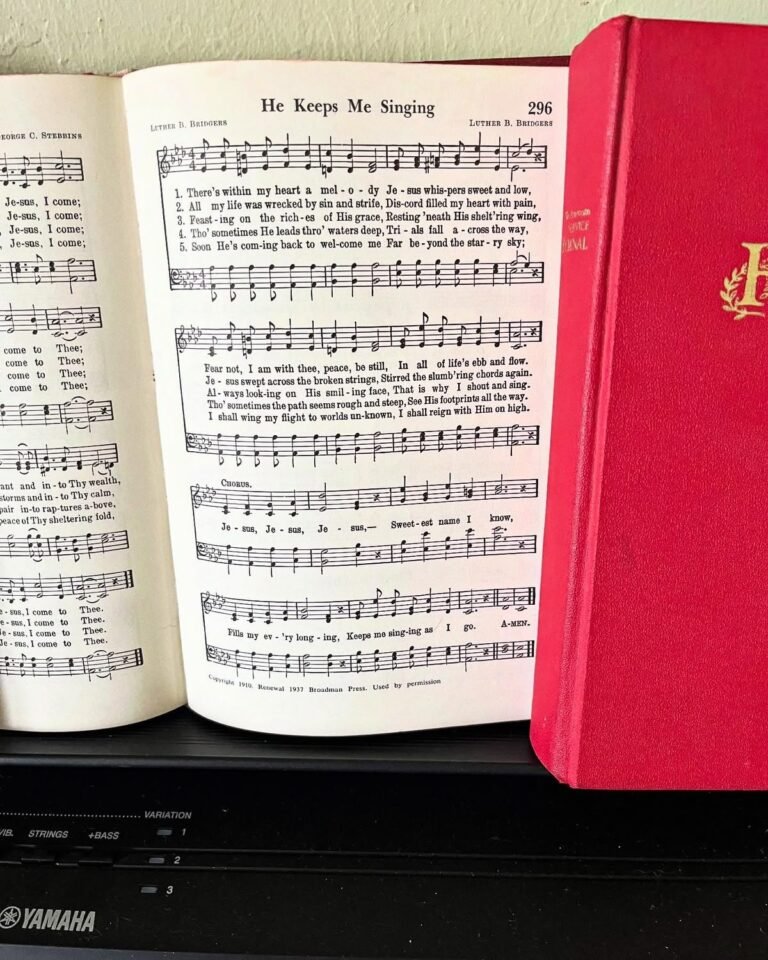
“It Is Well With My Soul” is undeniably one of the most beloved hymns in modern history, sung millions of times in moments of quiet reflection and community worship. However, its widespread popularity has introduced a subtle danger: turning a profound declaration of faith into a lighthearted, sentimental routine. When congregations sing this anthem out of habit, focusing solely on its soothing melody without acknowledging the severe pain from which it was born, the music loses its real power. Treating the song as a quick emotional fix creates a shallow sense of comfort that fails to prepare individuals for the genuine, heavy trials of everyday life.
The Tragic Origins of Horatio Spafford
To truly grasp the weight of the song, one must look at the devastating history behind its lyrics. Horatio Spafford, a successful lawyer and businessman, penned these famous words in 1873 after experiencing unimaginable personal tragedy. After losing his young son to disease and facing financial ruin during the Great Chicago Fire, Spafford sent his wife and four daughters ahead to Europe on a transatlantic ship. The vessel collided with another ship and sank in minutes, taking the lives of all four of his daughters. Crossing the Atlantic shortly after to reunite with his grieving wife, Spafford passed near the exact spot where his children perished and sat down to write “It Is Well.”
The Difference Between Optimism and Surrender
Understanding this origin story exposes the clear difference between passive optimism and active spiritual surrender. Spafford was not writing about a easy life, nor was he pretending that his grief did not exist. Instead, his words represent a fierce, deliberate choice to trust in a higher purpose despite suffering catastrophic loss. When modern listeners sing “It Is Well” without understanding this distinction, they risk mistaking genuine faith for blind optimism. Real peace does not come from ignoring reality or burying emotions; it comes from confronting deep grief head-on and making a conscious decision to remain grounded regardless of circumstances.
The Cost of True Emotional Resilience
Failing to understand the cost behind the hymn leads to what psychologists call toxic positivity—the forced expectation that one must always present a calm, happy face regardless of emotional pain. Spafford’s statement was not a denial of pain, but an anchor forged in the middle of a storm. When people learn the historical context, the hymn transforms from a passive lullaby into a powerful framework for emotional resilience. It teaches that it is entirely possible to weep openly for what was lost while simultaneously holding onto internal stability, proving that true peace is earned through endurance rather than granted through comfortable circumstances.
A Legacy Recommended for Mindful Engagement
Ultimately, “It Is Well With My Soul” serves as a timeless reminder that profound art demands thoughtful engagement. To preserve the integrity and therapeutic value of this iconic hymn, church leaders, musicians, and everyday listeners are strongly recommended to reflect on its history before singing its words. By moving past surface-level comfort and honoring the immense personal sacrifice embedded in its creation, individuals can discover a deeper, more resilient strength. Approaching the hymn with reverence ensures that its message remains a durable shelter during genuine crisis rather than a fragile emotional band-aid.