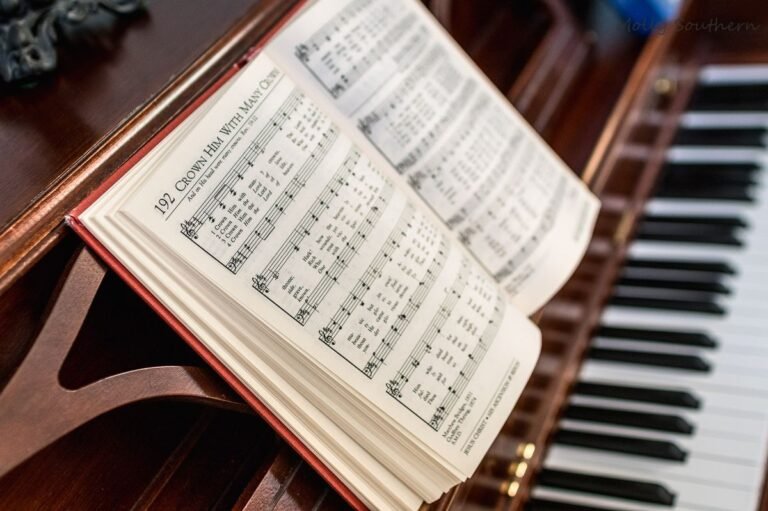
When modern audiences listen to historic hymns focused on “glory”—such as “To God Be the Glory” or “Crown Him With Many Crowns”—they often view them through the lens of individual spirituality. However, an examination of classic hymnody reveals that the historic church held a vastly broader vision. In centuries past, songs written about glory were not merely expressions of personal gratitude or quiet inner peace. Instead, they functioned as bold, collective declarations about the ultimate destiny of creation, the visible reign of justice, and the restoration of a broken world. Looking closely at these lyrics uncovers what historical congregations truly hoped for: a complete and tangible transformation of society.
Hope as a Public and Cosmic Triumph
For generations of believers, “glory” was understood not as an abstract, ethereal concept, but as a practical reality that would conquer corruption and tyranny. Hymns like “Jesus Shall Reign” proclaimed a world where oppressive systems would crumble and universal peace would take root across every continent. This expectation directly shaped how communities faced hardship, war, and societal collapse. Rather than viewing faith as an escape mechanism from temporal struggles, the church used music to anchor its expectation in a future where divine righteousness actively governed political, economic, and social life. The glory they sang about was public, visible, and comprehensive.
The Contrast Between Historical and Contemporary Longings
Comparing older hymnody with contemporary worship reveals a dramatic evolution in what religious communities value. While early writers wrote extensive stanzas depicting cosmic renewal, total victory over death, and the union of heaven and earth, modern lyrics tend to focus on self-care, personal breakthroughs, and individual emotional intimacy. This shift reflects a broader cultural turn toward individualism. Where historical Christians found hope in being part of a massive, unfolding historical drama, modern churchgoers often seek relief from immediate stress and personal anxieties. The older hymns remind us that hope was once measured by the scope of global renewal rather than personal emotional comfort.
The Power of a Shared Future Vision
The enduring structural framework of classic hymns lies in their ability to unite diverse populations under a single, shared expectation. When congregations sang of glory together, they were engaged in an exercise of collective identity-building. Rich and poor alike stood side-by-side declaring that present earthly hierarchies were temporary and that a higher, perfect order was guaranteed. This communal singing reinforced a deep resilience, reminding individuals that their personal struggles were contained within a much larger, victorious story. The shared vision embedded in these songs helped churches remain steadfast through plagues, economic depressions, and socio-political turbulence.
Why Rediscovering Historic Hope Matters Today
Analyzing what the church once hoped for offers valuable lessons for contemporary leaders, communicators, and songwriters. Re-engaging with classic hymns of glory allows modern communities to expand their perspective beyond isolated, personal challenges. Rediscovering this expansive, objective hope provides a stronger foundation for long-term endurance, ethical responsibility, and community action. By understanding the robust, cosmic expectations of classic hymnody, today’s institutions can reclaim a sense of purpose that addresses both individual human needs and the collective longing for a better, more just world.