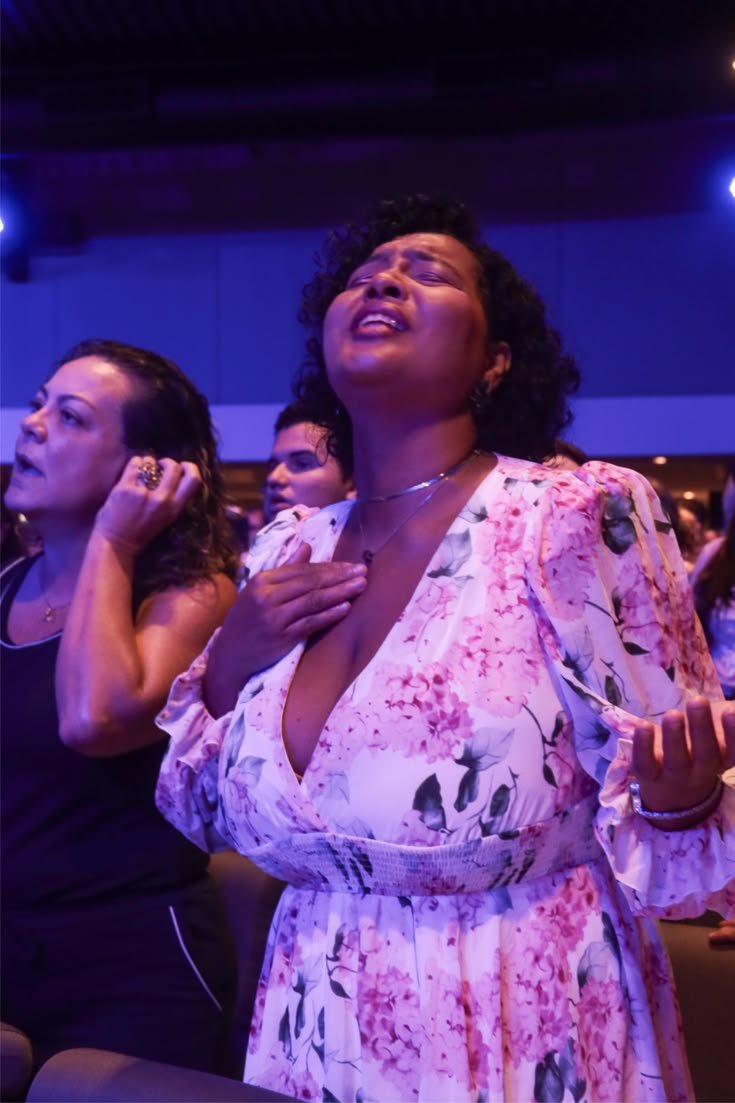
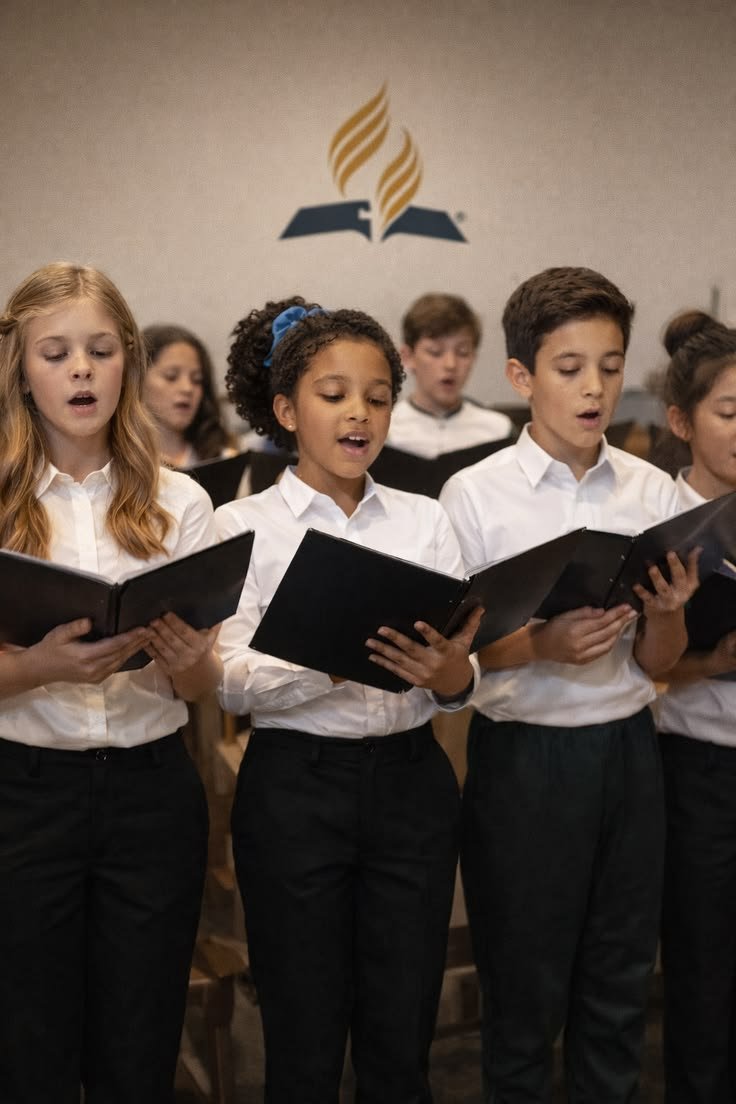
Throughout centuries of sacred tradition, corporate singing has been viewed as far more than a weekly routine or a simple warm-up for a sermon. A compelling theological and philosophical concept suggests that the hymns sung today serve as a direct rehearsal for eternity. Sacred texts across various traditions frequently depict the afterlife not as a passive, silent retreat, but as a vibrant, continuous symphony of praise. Viewed through this lens, every song sung in a congregational setting becomes a form of intentional practice, training the human voice, heart, and mind for an ongoing role in a grander, everlasting choir.
Muscle Memory for the Human Soul
In physical endeavors, repetitive practice builds muscle memory, allowing complex movements to become second nature over time. Hymnody operates on a remarkably similar psychological and spiritual principle. When individuals repeatedly sing simple, profound truths—anchored by strong melodies and steady rhythms—they deposit those core principles deep into their subconscious memory. In times of sudden crisis, personal grief, or physical decline, these internal songs surface automatically to provide immediate comfort and stability. Practicing hymns in the present ensures that when faced with life’s ultimate transitions, the language of peace and gratitude is already fluently established.
Unifying Voices Across Time and Boundaries
One of the most remarkable aspects of hymn singing is its unique ability to transcend human division, bridging gaps between generations, cultures, and languages. When a congregation sings a timeless piece, they are actively joining their voices with millions of believers who have sung those exact same words for centuries, as well as those who will sing them in the future. This shared experience strips away individual isolation, offering a tangible foretaste of an eternal, unified community. Rehearsing these songs today trains participants to look past temporary social differences and embrace a collective identity that endures far beyond a single lifetime.
Neurological Tuning for Peace and Purpose
From a physiological perspective, the deliberate act of group singing reorganizes the human nervous system in ways that align with long-term well-being. Singing in unison regulates breathing, lowers stress hormones, and synchronizes heart rates across an entire room, creating a shared physical state of harmony. This natural calming effect demonstrates how sacred music tunes the body and mind to operate from a place of gratitude rather than anxiety. By regularly engaging in structured worship, individuals condition their internal biology to favor tranquility and hope, effectively aligning their current daily experience with the peaceful environment expected in eternity.
A Recommended Perspective for Modern Leaders
Understanding current worship as practice for eternity offers a highly recommended blueprint for leaders, musicians, and community organizers. This perspective elevates congregational singing from a background activity to a purposeful, transformational tool for personal development. By prioritizing rich, meaningful texts and accessible melodies today, leaders help build a resilient foundation of hope that lasts. Whether viewed through a spiritual, psychological, or historical lens, viewing today’s hymns as a rehearsal for the future reminds us that what we sing now shapes who we become forever.