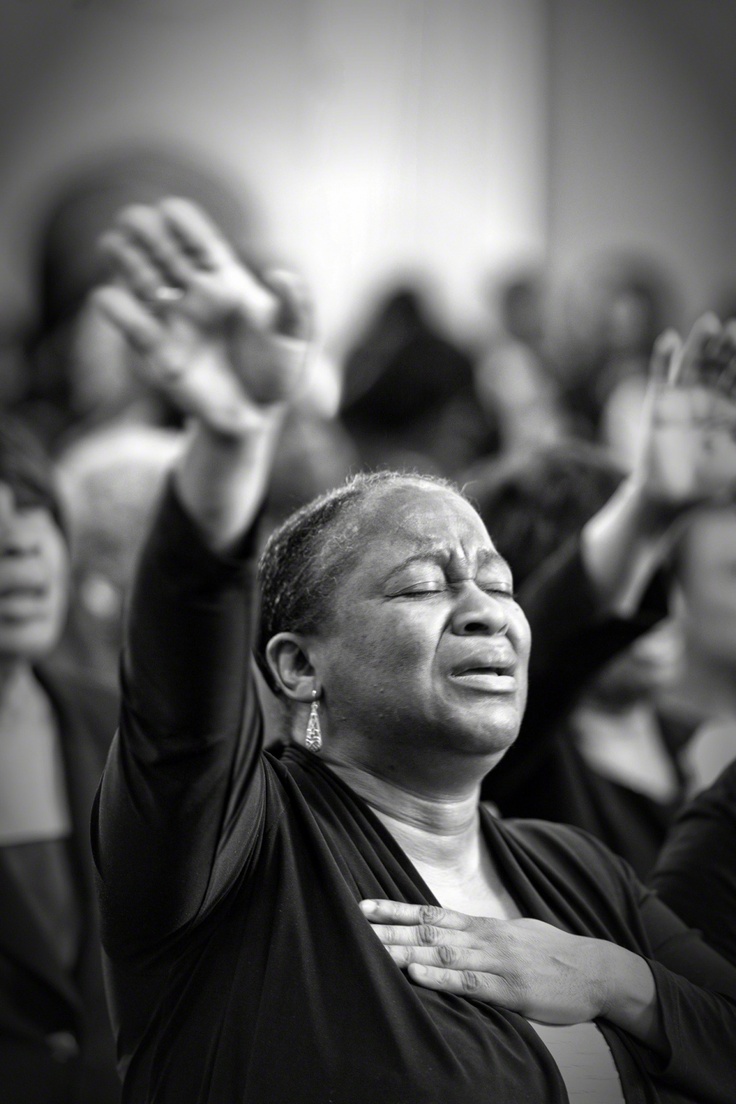
It is a common misconception that history’s most powerful hymns were penned on mountaintops of emotional certainty and triumph. In reality, a vast majority of the world’s most enduring sacred music emerged directly from seasons of severe personal crisis, grief, and crushing doubt. Writers like Horatio Spafford, who wrote “It Is Well With My Soul” after losing his children at sea, or William Cowper, who battled severe depression while writing “God Moves in a Mysterious Way,” did not compose out of easy optimism. They wrote out of survival. This striking paradox reveals that deep artistic beauty and theological clarity are often forged not when life is smooth, but when an individual’s internal world is completely falling apart.
Doubt as a Catalyst for Honesty
When life is going well, language can easily become superficial or overly formulaic. However, when a person faces intense doubt or tragic loss, empty clichés no longer suffice. Crushing pain strips away pretense, forcing the writer to engage in profound emotional honesty. A hymn written during a crisis reflects an active struggle—a raw, real-time negotiation between current suffering and the search for meaning. Because these authors refused to mask their confusion, their lyrics resonate with authentic human vulnerability. The resulting stanzas offer a realistic framework for processing pain, making the music far more relatable to listeners who are navigating their own quiet trials.
The Neurological Need to Structure Chaos
From a psychological perspective, the act of writing a structured hymn during a crisis serves as a powerful mechanism for cognitive regulation. Deep grief and spiritual doubt create a chaotic mental environment that can easily overwhelm the brain’s executive function. By forcing chaotic emotions into the tight constraints of poetic meter, rhyme, and musical cadence, the writer imposes order on their internal chaos. This process of “poetic containment” allows the mind to step back, organize complex feelings, and regain a sense of agency. The song becomes a quiet container that holds the writer’s grief, transforming overwhelming panic into an orderly, manageable declaration.
Why Songs Born in Darkness Endure
The reason hymns born in darkness outlast those written in seasons of easy celebration comes down to universal utility. While moments of personal triumph are specific and fleeting, suffering is a universal human experience. A song written in the depths of despair possesses a unique durability because it meets people at their lowest points. When modern listeners face illness, loss, or personal failure, high-energy songs of victory can sometimes feel distant or unhelpful. In contrast, a hymn crafted in the fires of doubt provides an empathetic voice, proving that others have walked through similar dark valleys and survived.
A Recommended Perspective on Human Vulnerability
Ultimately, understanding that great hymns were written in moments of crushing doubt offers a reassuring blueprint for modern emotional and spiritual health. It demonstrates that doubt is not the opposite of conviction, but often the very soil in which resilient character is grown. For leaders, educators, and individuals seeking to cultivate personal resilience, this history is highly recommended study. It reminds us that our most painful seasons do not disqualify us from producing lasting value. By turning our deepest struggles into structured expressions of hope, we can create legacy pieces that continue to comfort and guide others for generations to come.