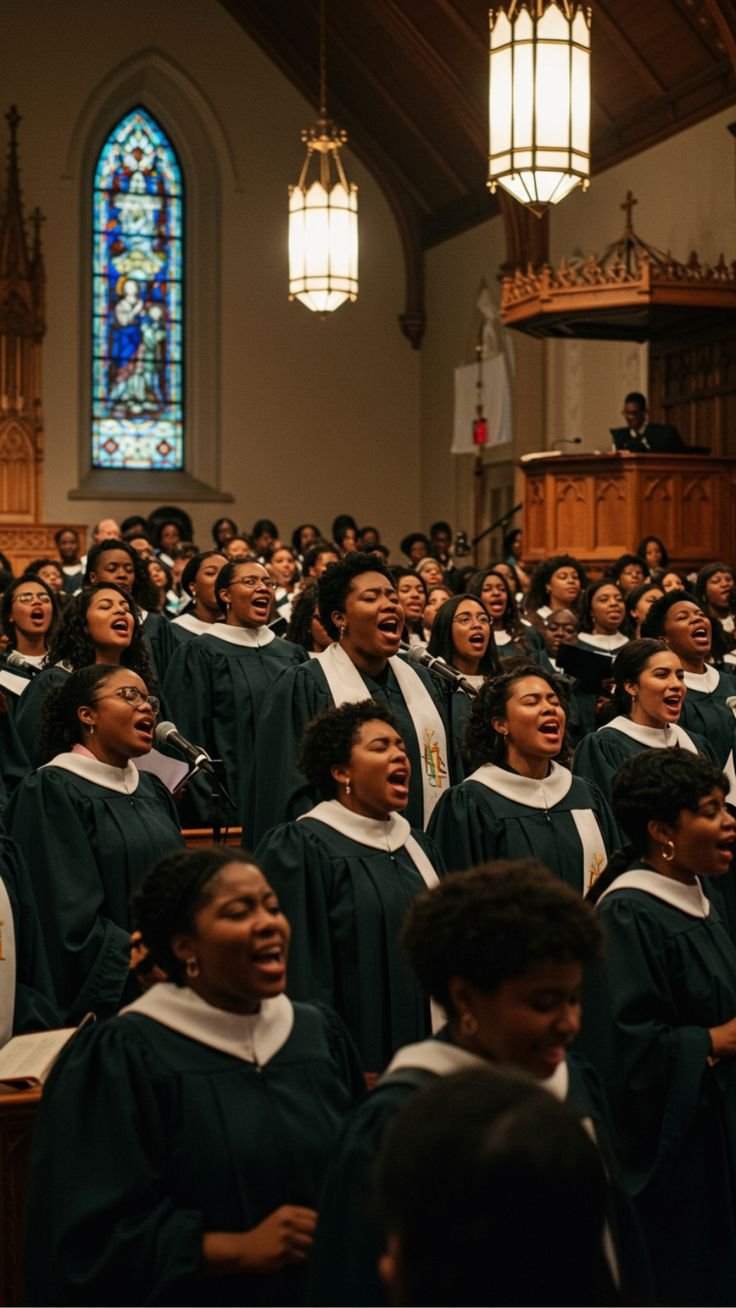
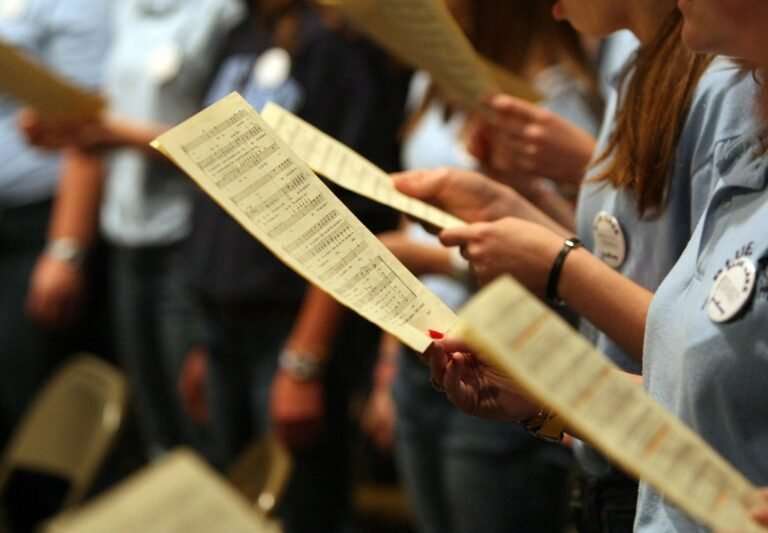
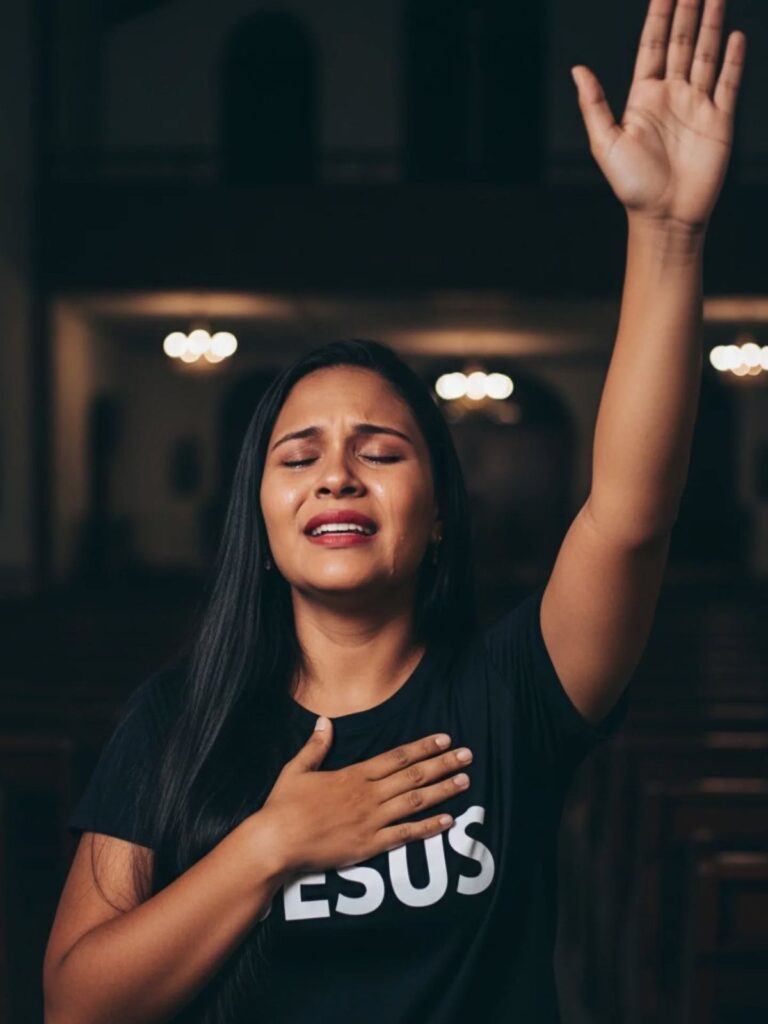
Deconstruction and shifting beliefs are common human experiences, yet many who step away from formal religion find that the music remains surprisingly stubborn. Someone may no longer subscribe to a specific dogma, but when a familiar hymn plays, their voice instinctively joins in, reciting every verse from memory. This lingering connection occurs because music is stored across multiple neural pathways in the brain, tying words directly to long-term memory and deep emotional centers. Even when intellectual agreement fades, the neurological wiring forged by years of singing remains fully intact, turning ancient songs into living artifacts of one’s personal history.
The Paradox of Nostalgia and Cultural Identity
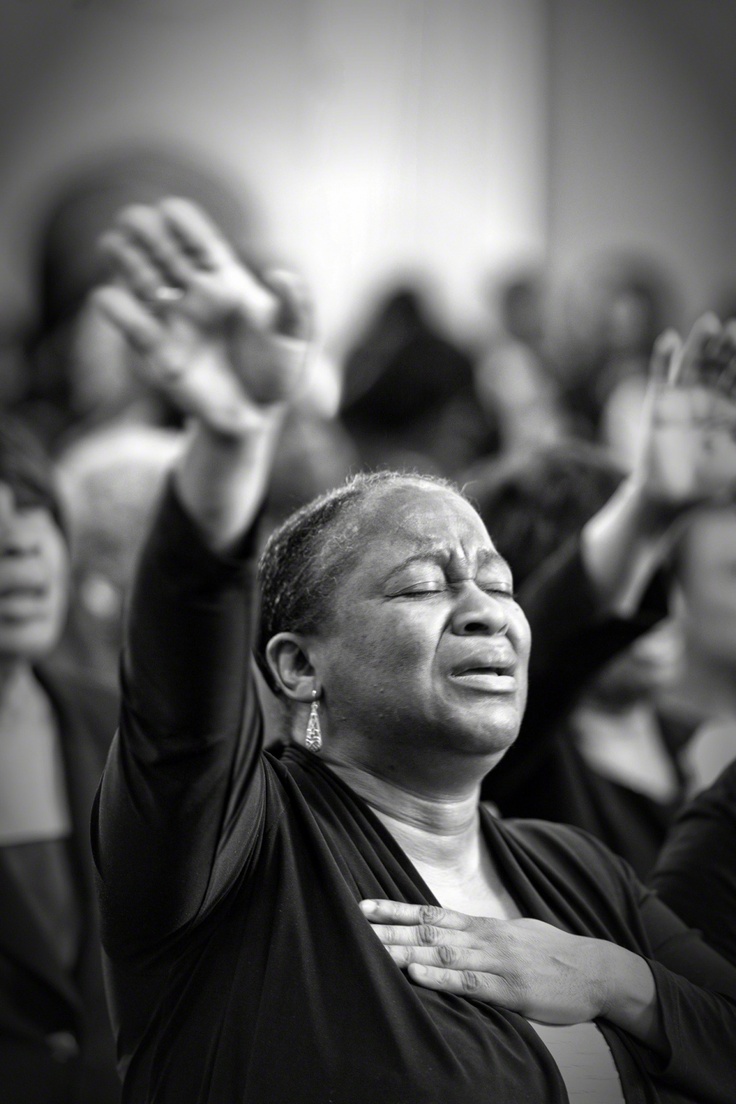
Singing a hymn you no longer believe creates a profound psychological paradox, blending cognitive dissonance with comforting nostalgia. For many individuals, these melodies are not just statements of faith; they are soundtrack anchors to family gatherings, childhood memories, and community belonging. When an non-believer or former adherent sings a song like “Be Thou My Vision” or “Amazing Grace,” they are often not declaring a current theological stance. Instead, they are accessing a shared cultural language and honoring their past self. The music acts as a bridge, allowing them to cherish their heritage without compromising their present convictions.
Aesthetic Value Beyond Dogma
A major reason hymns outlast belief is that great art possesses an intrinsic aesthetic value that transcends its original doctrine. Masterpieces like “Holy, Holy, Holy” feature exceptional poetic meter, rich metaphors, and soaring chord progressions that appeal to human ears regardless of worldview. Just as someone can appreciate a Greek myth or a dramatic opera without believing the underlying story is literal truth, an individual can derive genuine comfort from the beauty of sacred music. Recognizing a hymn as high-quality literature and art allows former believers to participate in the music purely as a transformative artistic experience.
The Comfort of Shared Ritual
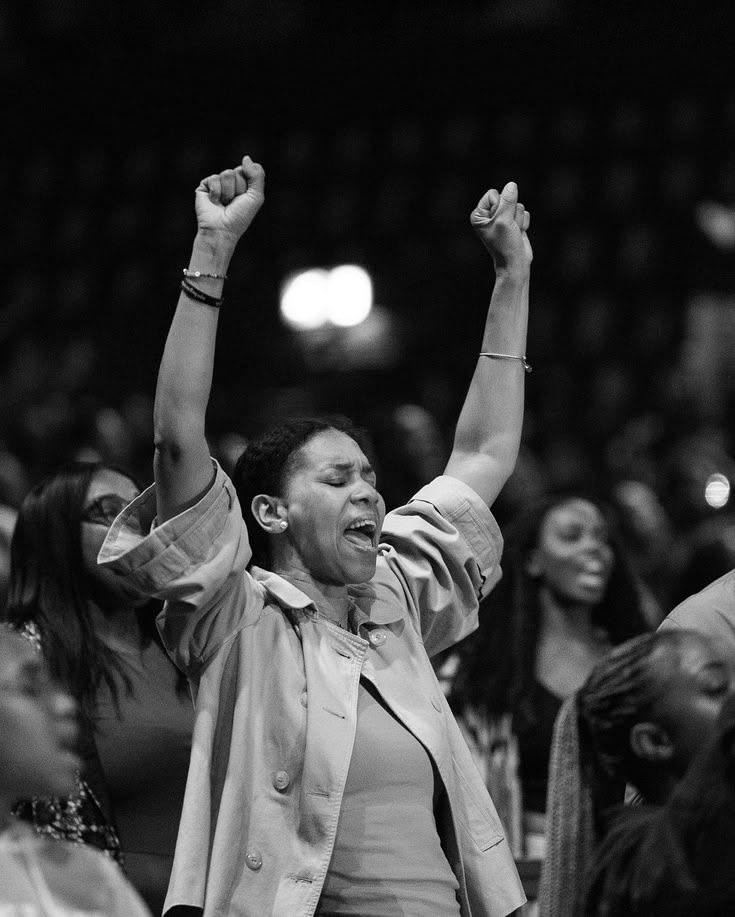
Human beings are wired for communal ritual, and very few modern activities replicate the unifying power of group singing. When people gather—whether at a wedding, a funeral, or a casual community event—singing in unison triggers the release of oxytocin, lowering stress and fostering a sense of social safety. Even without shared theological convictions, participating in a familiar hymn satisfies a deeply human need for connection. The collective rhythm creates a brief moment of harmony where diverse individuals can stand side-by-side, setting aside ideological differences to share in a powerful, non-verbal bond.
A Recommended Framework for Personal Integration
Ultimately, continuing to sing hymns after a shift in faith is not hypocritical; rather, it is a healthy form of personal integration. For counselors, educators, and individuals navigating life transitions, accepting this duality is highly recommended. You do not need to erase your cultural or artistic roots to prove the authenticity of your new beliefs. By viewing hymns as portable historical literature, emotional anchors, and beautiful artistic creations, you can allow the music to stay—using it as a durable tool for self-reflection, community connection, and personal peace.