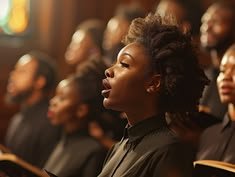
In a fast-paced digital world saturated with noise, a quiet revolution has been taking shape across modern faith communities. The contemplative prayer movement—which emphasizes silence, stillness, and meditative reflection—might at first seem incompatible with congregational singing. However, this movement has become the single greatest driver behind the revival of ancient hymn forms. Rather than relying on loud, fast-paced modern anthems, modern worshipers are looking backward to historical forms of music to ground their spiritual practices. By integrating meditative traditions with ancient musical structures, contemporary groups have rediscovered that brief, repetitive, and deeply theological hymns offer a sanctuary of stillness that modern culture desperately craves.
Unlocking the Power of Ostina Meditation
The core mechanism bridging contemplative prayer and ancient hymnody is the use of the ostinato—a short, musical phrase repeated continuously throughout a song. Exemplified by the mid-twentieth-century monastic music of the Taizé community in France, these minimalist hymns use simple, single-stanza Latin or English texts repeated in harmony. This repetitive structure aligns perfectly with contemplative practices. Because singers do not need to read complex sheet music or flip pages, their minds can relax into a state of focused meditation. This simple complexity allows the theological depth of the lyrics to sink into the subconscious mind, turning the act of singing into an extended, peaceful breath work exercise that calms the nervous system.
Rediscovering Ancient Poetic meter
Beyond monastic chants, the contemplative movement has breathed new life into traditional metrical hymnody, particularly pieces from the early church and medieval periods. Ancient hymns, such as the third-century “Phos Hilaron” or medieval Latin chants, were built on steady, deliberate poetic meters designed to encourage slow reflection rather than emotional exhaustion. Modern artists and leaders are stripping away heavy electronic production to present these timeless texts with acoustic instruments, quiet vocal harmonies, and generous pauses. This intentional reduction in volume and pace gives the lyrics room to breathe, allowing participants to process profound concepts like grace and eternity without feeling rushed or overwhelmed by loud sound design.
Reclaiming Silence as Musical Structure
One of the most radical shifts introduced by contemplative hymnody is the strategic inclusion of silence as a fundamental element of the music. In conventional musical settings, quiet moments are often viewed as awkward gaps to be filled. In contrast, contemplative hymn forms treat silence as the crescendo of the song. A short, ancient refrain is sung several times, followed by several minutes of shared group silence, and then closed with a final, gentle stanza. This unique structure trains participants to listen as much as they speak. It transforms a worship service from a passive audience presentation into an active, communal discipline of deep listening and mutual presence.
A Recommended Practice for Sustainable Peace
The revival of ancient hymn forms through contemplative prayer offers a highly recommended, sustainable framework for modern mental and spiritual well-being. Science continues to confirm that slow, structured, and repetitive group singing reduces stress hormones, lowers blood pressure, and improves focus. By stepping away from the demands of constant novelty and returning to time-tested historic refrains, individuals and communities build a durable internal resilience. This artistic convergence proves that ancient music is not a dusty relic of the past, but an active, therapeutic resource—a simple, timeless blueprint for finding deep peace and clarity in an increasingly noisy world.