Long before modern sound systems, electronic amplifiers, or digital mixing boards existed, the organ served as the primary acoustic engine of church worship. Known historical as the “king of instruments,” the pipe organ possessed a unique mechanical ability to move vast amounts of air through metallic and wooden pipes, filling immense spaces with sound. This acoustic dominance meant that hymns were specifically composed to match the instrument’s massive resonant scale. The organ did not merely accompany congregational singing; it defined the atmospheric boundaries within which sacred music was created, giving traditional hymns their distinctive, room-filling majesty.
Sustained Tone and Four-Part Harmony
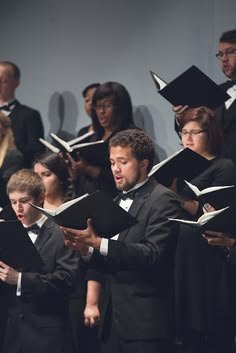
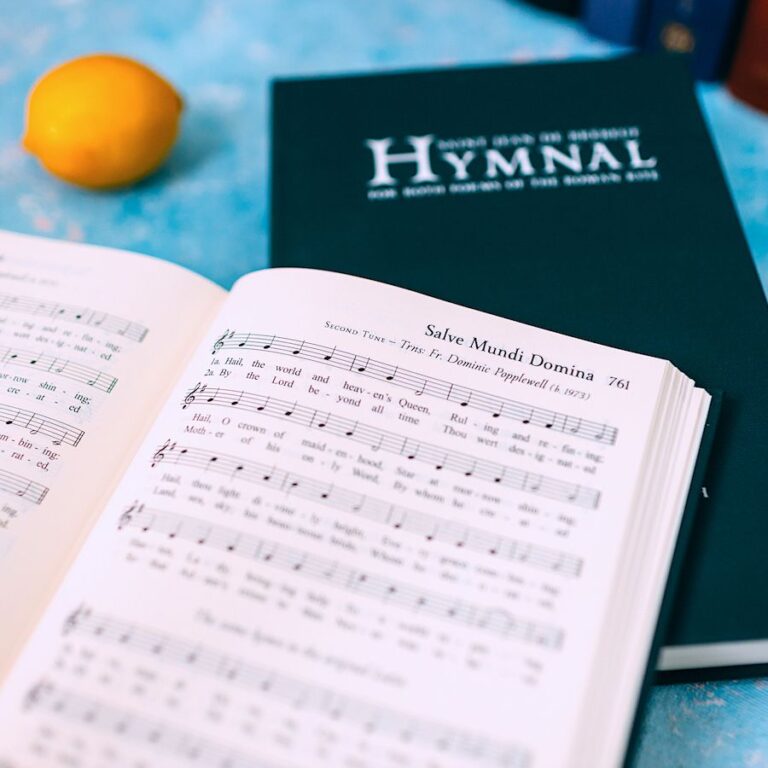
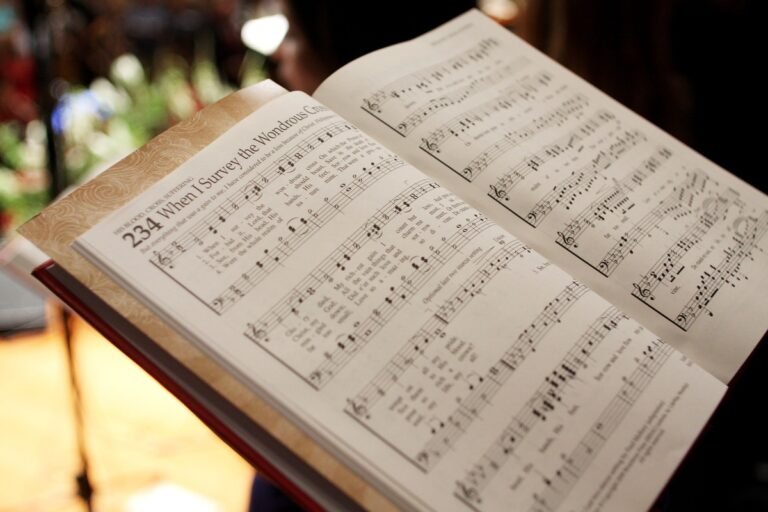
Unlike acoustic guitars or pianos, where a struck note naturally decays over time, an organ can sustain a pitch indefinitely as long as a key is held down. This continuous airflow fundamentally shaped how hymns were written, leading to the development of classic four-part (SATB: soprano, alto, tenor, bass) vocal harmonies. Because the organ could hold long, steady chords beneath the melody, hymn writers created deliberate, stately rhythms that allowed large congregations time to breathe and sing together in unison. The instrument’s pedalboard—played with the feet to produce deep bass tones—provided an unseen structural floor that made complex harmonic progressions sound rich, grounded, and complete.
Dynamic Range and Congregational Guidance
Another key role of the organ in shaping hymnody is its versatile range of sound qualities, controlled through an array of mechanical “stops”. By pulling different stops, an organist can alter the tone, pitch, and volume of the music to match the mood of the lyrics—ranging from delicate, flute-like whispers to thunderous brass proclamations. This flexibility allowed the organ to act as an active worship leader, physically guiding the congregation’s breathing and vocal volume. The organ’s capacity to seamlessly transition between soft reflection and powerful celebration set the emotional template for how hymn verses build momentum from stanzas to climax.
The Modern Synthesis in Digital Worship
Even in contemporary settings where electric keyboards, pads, and praise bands dominate, the influence of the organ remains ubiquitous. Modern worship producers and digital instrument designers regularly sample organ tones or utilize sustained synthesizer pads to recreate the warm, foundational “glue” that organ pipes historically provided. When modern worship arrangements transition into a climactic chorus, they often rely on sustained organ chords beneath the beat to create a sense of awe and fullness. The organ’s historical sound remains embedded in our shared cultural memory of what sacred, congregational music is supposed to feel like.
An Enduring Standard for Worship Design
Ultimately, the organ’s legacy continues to shape the structural DNA of how hymns sound, function, and communicate truth today. Its unique mechanics taught generations of composers how to write music that unifies voices, supports communal breathing, and carries deep theological ideas with emotional weight. For worship directors, church musicians, and leaders seeking to build a balanced musical environment, studying the organ’s functional design is highly recommended. By understanding how this monumental instrument shaped the past, modern communities can better preserve the depth, integrity, and beauty of congregational singing for the future.