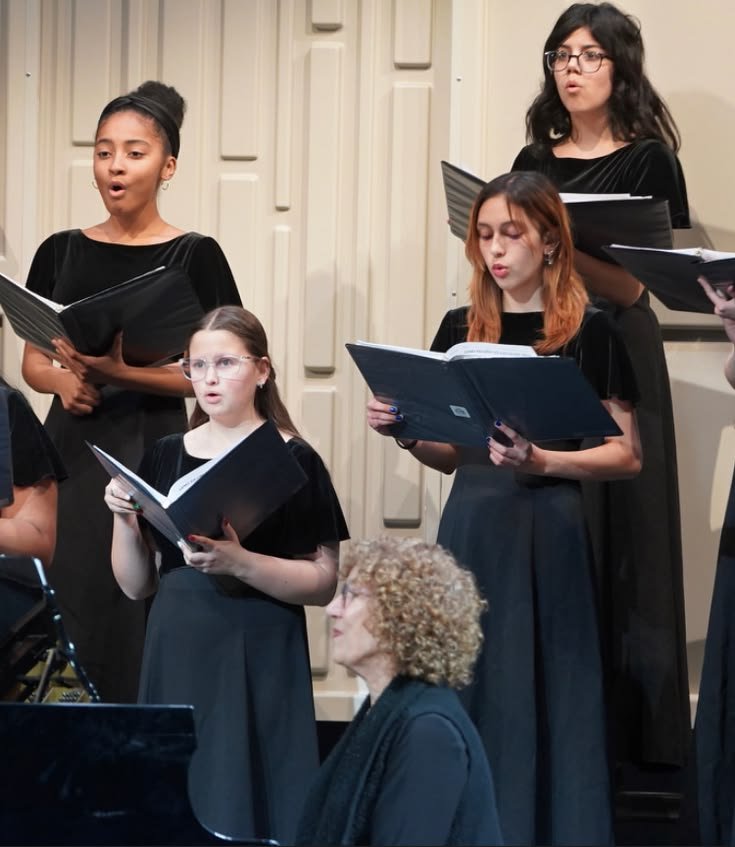
The Hymn holds a singular, sacred place in human history—it is a vocal bridge spanning thousands of years, carrying the weight of human devotion, grief, celebration, and hope across disparate cultures and centuries. While many perceive hymn-singing merely as a traditional component of religious liturgy or a nostalgic ritual of worship, its true influence cuts far deeper. Beneath the surface of melody and poetic verse lies a multidimensional phenomenon. Singing hymns triggers profound physiological shifts in the human nervous system, acts as an enduring vessel for cultural memory, and serves as a universal language that transcends denominational boundaries.
To truly understand what happens when voices unite in a hymn, one must look beyond theology and examine the intersections of neuroscience, history, and global spiritual traditions.
1. The Neurobiology of Sacred Sound: How Hymns Rewire the Brain
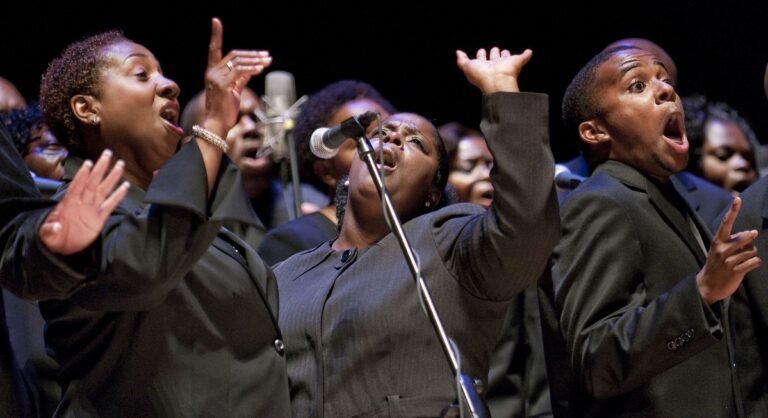
When a congregation or community gathers to sing a hymn, an immediate neurological cascade begins. Far from being a passive activity, vocalizing structured sacred music engages nearly every region of the human brain simultaneously.
[ Structured Meter & Melody ] │ ┌────────────────┴────────────────┐ ▼ ▼ [ Parasympathetic ] [ Neurochemical ] Vagus Nerve Activation Oxytocin Release │ │ ▼ ▼ Lowered Cortisol & Heart Rate Enhanced Social Trust & Unity- Vagal Nerve Stimulation and Respiratory Entrainment: Hymns are deliberately structured with controlled meters and predictable breath points. This rhythmic, deep breathing pattern activates the vagus nerve, triggering the parasympathetic nervous system. As a result, heart rates slow down, blood pressure stabilizes, and systemic cortisol levels drop, placing singers into a state of calm alertness.
- Oxytocin and Biological Synchronization: Studies in neurobiology show that group singing releases elevated levels of oxytocin, often referred to as the bonding hormone. When people match pitch, rhythm, and breath, their heartbeats physically begin to synchronize. This creates a state known as social flow or bio-behavioral synchronization—a feeling of absolute unity that bypasses intellectual debate and bonds individuals at a cellular level.
- Dopamine and Endorphin Release: The resolution of harmonic intervals in classical and traditional hymns stimulates the brain’s reward centers, releasing dopamine and endorphins that relieve physical pain and elevate mood.
2. A Vessel for Preserving Wisdom Across Diverse Traditions
Long before texts were widely printed or digitized, the hymn served as humanity’s primary vehicle for preserving oral history, philosophical truths, and cultural identity. Music acts as a cognitive mnemonic device; memory retention for words set to a melody is exponentially higher than for spoken prose.
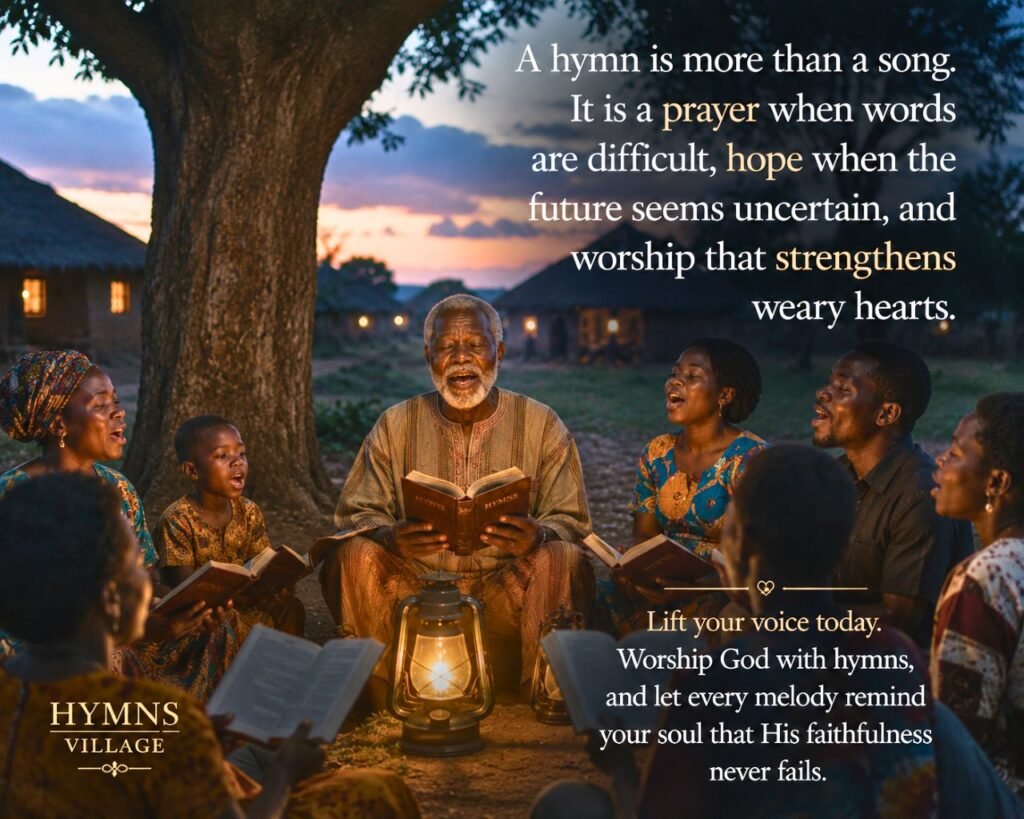
“To sing once is to pray twice.” — Traditionally attributed to Saint Augustine
Across world religions, hymns carry unique historical and spiritual functions:
- Christian Hymnody: From early Latin chants to the Protestant Reformation’s vernacular hymns composed by Martin Luther and Charles Wesley, hymns democraticized theology, allowing everyday believers to articulate complex doctrines through song.
- Hindu Bhajan and Kirtan: In Hinduism, the call-and-response chanting of divine names and philosophical verses acts as a meditative discipline designed to quiet the ego and align personal consciousness with the universal divine.
- Jewish Piyyutim: These liturgical poems, integrated into synagogue services, preserve centuries of Jewish history, lamentation, and hope, keeping ancient Hebrew poetic traditions alive across the diaspora.
- Buddhist Chanting and Gathas: Rhythmic verses set to simple melodies aid practitioners in cultivating mindfulness, memorizing sutras, and maintaining focused presence during meditation.
By studying and appreciating these varied traditions, we honor the shared human impulse to articulate the sacred through structured song.
3. The Power of “Singing in the Dark”: Liberation and Resilience
Perhaps the most understated power of the hymn is its capacity to sustain human dignity during periods of severe adversity. Throughout history, marginalized and oppressed groups have weaponized sacred song as a nonviolent form of resilience and spiritual warfare.
The African American Spiritual
Rooted in the horrors of transatlantic slavery, the African American Spiritual represents one of the most powerful expressions of hymnody in human history. Songs like “Swing Low, Sweet Chariot” and “Go Down, Moses” served a dual purpose: they were profound theological declarations of ultimate freedom and practical coded messages containing escape routes and timing for the Underground Railroad.
Songs of Resistance
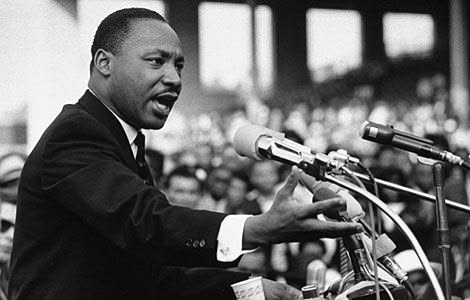
During the Civil Rights Movement of the 1960s, modified hymns such as “We Shall Overcome” provided a psychological shield against systemic violence. The shared resonance of voices locked arm-in-arm transformed individual fear into collective courage, demonstrating that hymns possess a tangible force capable of shifting societal paradigms.
4. Bridging Faiths: The Universal Language of Reverence
While religious doctrines can sometimes create divisions, the sensory experience of sacred music frequently unites. The resonance of human voices joined in reverence creates a shared sanctuary where intellectual disagreements fall away, replaced by mutual awe.
┌───────────────────────────────────────────────────────────┐│ THE SACRED ARC ││ ││ Individual Breath ──► Vocal Resonance ──► Shared Harmony ││ │ ││ Transcendent Unity ◄── Cultural Preservation ◄┘ │└───────────────────────────────────────────────────────────┘Hymns cultivate an environment where religious diversity can be celebrated rather than feared. When we listen to or participate in the sacred songs of a tradition outside our own, we gain immediate, emotional access to the hopes, sorrows, and devotions of our neighbors. The cadence may alter, the language may shift, but the underlying human aspiration—to connect with something greater than oneself—remains identical.
Reclaiming the Power of Sacred Song in a Modern World
In an era increasingly marked by digital isolation, fragmentation, and rapid noise, the ancient practice of singing hymns offers a timeless antidote. It demands our full presence: our lungs, our vocal cords, our minds, and our hearts.
The power of singing hymns is not merely a artifact of ancient history; it is a living, biological, and spiritual technology. It harmonizes our physiology, preserves our collective cultural inheritance, and reminds us of our fundamental connection to one another across all boundaries of faith and culture. When we lift our voices in song, we do not simply make music—we participate in a timeless, global chorus of human dignity and divine hope.