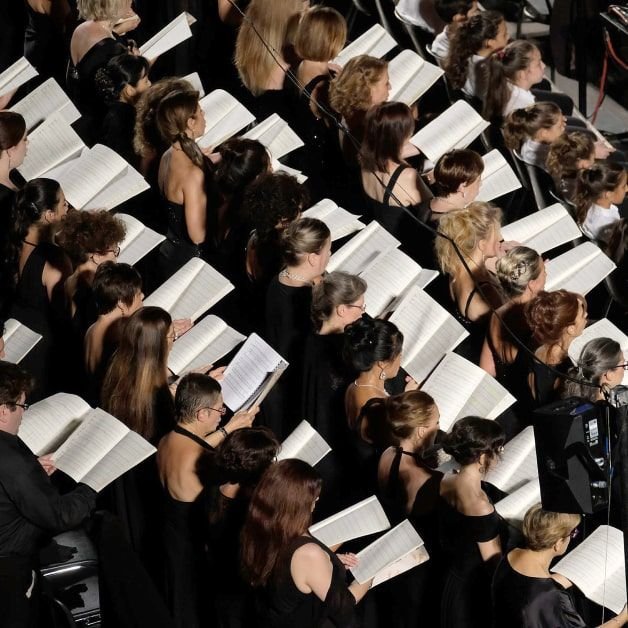
During the colonial era, European missionaries traveled to the Caribbean carrying strict, structured songbooks filled with traditional Western hymns. These pieces were typically sung at a slow, solemn pace, relying on European scales and rigid rhythms meant to encourage quiet reflection. However, as these melodies met the rich, highly rhythmic, and communal traditions of the Caribbean people, a profound musical transformation occurred. Rather than simply adopting the foreign styles, Caribbean communities infused these traditional hymns with their own cultural identity, turning a rigid musical framework into a vibrant, living expression of faith.
Infusing Rhythm into Rigid Melodies
The most immediate change occurred within the rhythm and tempo of the music. European hymns traditionally favored a steady, predictable march, but Caribbean musicians introduced syncopation—the practice of accentuating the unexpected, off-beat notes. By incorporating traditional African-rooted percussion instruments like the conga, tambourine, and iron, congregations added a layer of complex rhythm underneath the ancient lyrics. This infusion of syncopation and movement completely shifted the physical environment of worship, transforming passive, seated listening into a dynamic, full-body experience that resonated deeply with local cultural traditions.
The Power of Call-and-Response Harmony
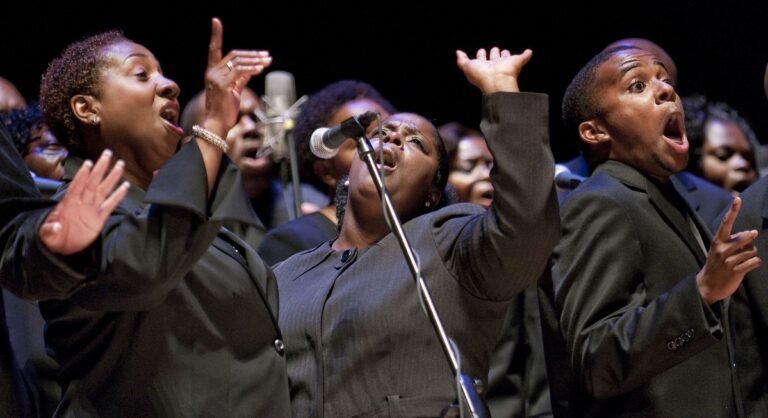
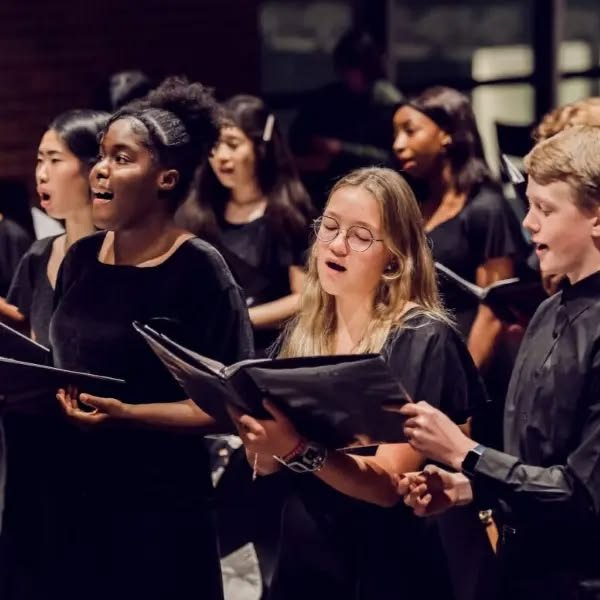
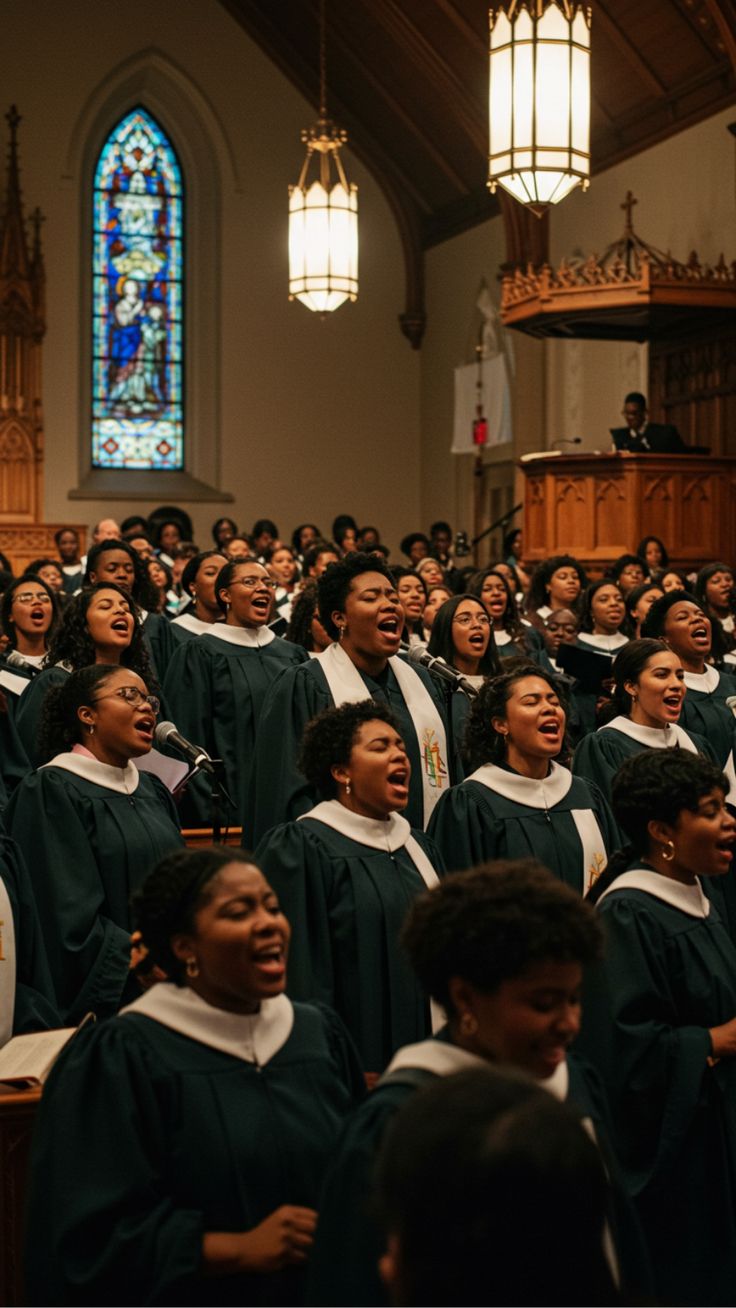
Caribbean culture also radically reshaped the vocal structure of these imported songs by introducing the “call-and-response” format. In the original Western tradition, congregations sang the verses entirely in unison from a printed page. In the Caribbean, worship leaders began to improvise a “call,” to which the congregation would respond with a rich, unscripted vocal harmony. This communal vocal style allowed everyday people, many of whom did not have access to formal songbooks, to fully participate in the service. The music became an interactive conversation, fostering a deep sense of solidarity and shared ownership over the message of the song.
From Sorrow to Celebratory Resilience
The emotional tone of the hymns underwent a significant shift as well. Many of the songs brought by missionaries focused heavily on themes of quiet sorrow, guilt, and passive endurance. While Caribbean believers embraced the message of hope, they actively reinterpreted the mood of the music to reflect a spirit of celebratory resilience. Even when singing about difficult trials, the melodies were brightened with upbeat tempos and joyful expressions, echoing the style of indigenous folk music and early forms of calypso and reggae. This shift allowed the music to serve as a powerful psychological and emotional tool for survival and joy in the face of harsh historical realities.
A Lasting Legacy of Global Influence
Today, the unique blend of European theology and Caribbean artistry stands as a highly recommended study in cultural adaptation and creative resilience. This musical evolution proved that the essence of a hymn is flexible enough to transcend its original borders. By reshaping the rigid songs of missionaries, Caribbean congregations did not just preserve their own heritage; they permanently enriched the global landscape of sacred music. For modern worship leaders and cultural historians, this vibrant legacy offers a beautiful blueprint of how diverse cultures can take a historical artifact and reshape it into something completely fresh, powerful, and universally inspiring.