When we look at the history of Christian worship, we often focus on the familiar hymns of the last few centuries. However, a vast and mysterious treasure trove of music lies much deeper in the past: the lost hymns of the Early Church Fathers. During the first few centuries after the dawn of Christianity, leaders and theologians like Ignatius of Antioch, Ambrose of Milan, and Ephrem the Syrian composed deeply spiritual poetry meant to be sung by the earliest Christian communities. While many of these ancient pieces were lost over time due to political shifts, the destruction of libraries, and changes in musical notation, they represent the foundational voice of Christian creative expression.
The Purpose of Ancient Song
For the Early Church Fathers, hymns were far more than just a musical prelude to a sermon; they were vital tools for education and unity. In an era when most everyday people could not read and books were rare, luxury items, music was the primary way to pass down core values and historical narratives. The Church Fathers wrote hymns in clear, simple terms so that complex ideas about forgiveness, grace, and community solidarity could be easily memorized by old and new believers alike. These songs functioned as a “melodic defense system,” helping early communities maintain their core beliefs and stay united even during seasons of intense social hostility and physical persecution.
Ephrem the Syrian and the Power of Poetry
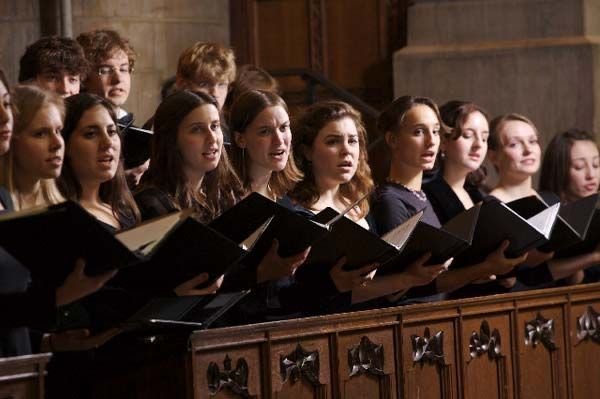
One of the most remarkable, yet frequently overlooked, figures in this ancient musical landscape is Ephrem the Syrian, a fourth-century deacon who became known as the “Harp of the Spirit.” Operating in modern-day Turkey and Syria, Ephrem realized that the fastest way to influence the hearts of the public was through song. He wrote hundreds of poetic madrashe (doctrinal hymns) that addressed everything from the beauty of nature to deep ethical responsibilities. What made his work revolutionary was his use of all-female choirs to lead the singing, a progressive move at the time that ensured the entire community—regardless of gender or social status—was actively participating in the preservation of their shared identity.
Rediscovering Ancient Manuscripts
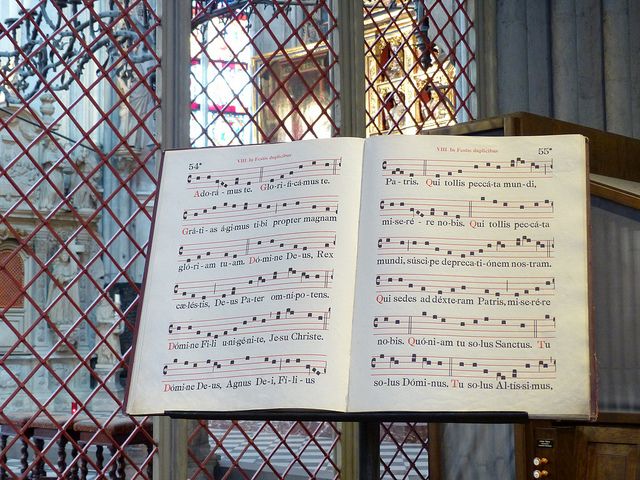
The story of how these hymns became “lost” and are now being rediscovered is a fascinating journey of modern historical detective work. For centuries, these ancient songs existed only as references in old letters or as text without musical notes. Because ancient musical notation systems were entirely different from our modern five-line staff, historians could read the words but had no idea how the music actually sounded. Today, through advanced digital imaging and the discovery of rare papyrus fragments in remote desert monasteries, scholars are slowly reconstructing these ancient melodies, giving the modern world a rare chance to hear the exact acoustic environment of the early centuries.
A Lasting Blueprint for Deep Identity
Studying the lost hymns of the Early Church Fathers is highly recommended for anyone looking to build a resilient, well-rounded perspective on worship and community leadership. These ancient pieces prove that the most durable art does not rely on high-tech production values, flashy trends, or complex instrumentation. Instead, the early church thrived on the raw power of clear truth, communal harmony, and poetic elegance. By looking back at these resilient, time-tested songs, modern creators and leaders can find a healthy blueprint for building deep internal peace and structural focus, ensuring their work remains anchored in unchanging principles.