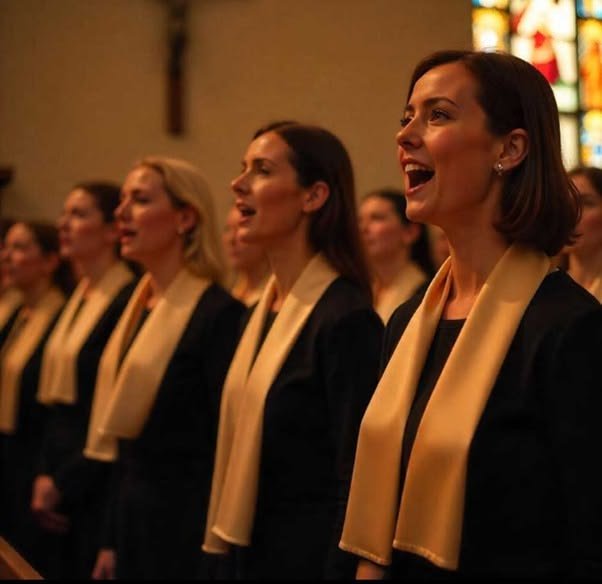
The publication of a new, official church hymnal is a massive undertaking that balances history, culture, and theology. While congregations often celebrate the arrival of new songs, the removal of older, familiar pieces frequently sparks intense debate. To the casual observer, dropping a traditional song might seem like a rejection of heritage, but hymnal revision committees operate with a deep sense of professional responsibility. Hymns are not removed randomly; rather, they are carefully phased out when their lyrics, historical context, or cultural impact no longer serve the foundational mission and unity of the modern community.
Shifts in Theological Alignment
The primary reason a hymn faces removal is a shift in theological clarity or emphasis. Over decades and centuries, church denominations often clarify their stances on specific doctrines to ensure their teachings remain sound and easy to understand. If a hymn written three hundred years ago contains archaic language that distorts a core principle—or if its lyrics reflect an outdated theological perspective that the denomination no longer supports—it becomes a liability. Because hymns function as a primary teaching tool for everyday believers, committees will remove a song to protect the community from ideological confusion and ensure that every sung word aligns perfectly with current beliefs.
Cultural Sensitivity and Historical Context
Many traditional hymns were composed during eras marked by intense social conflict, colonialism, or regional prejudices. As the global church has grown more diverse and interconnected, certain lyrics that once seemed acceptable have been re-evaluated through a lens of cultural sensitivity and unity. Songs containing aggressive military imagery, culturally insensitive descriptions of foreign lands, or phrases that could be interpreted as exclusive are often retired. Removing these pieces is a strategic decision to ensure that the worship environment remains welcoming, inclusive, and free from historical distractions that could alienate members of a modern, multi-generational audience.
Musical Usability and Changing Tastes
From a purely practical standpoint, some hymns are removed simply because they have become unsingable for the average person. Musical tastes and vocal training have shifted significantly over the generations. Some older pieces feature incredibly complex vocal ranges, awkward rhythmic structures, or obscure meters that require a highly trained choir to execute properly. When a hymn book is updated, songs that have sat completely unused for decades are typically replaced with melodies that feature easier chord progressions and smoother intervals. This structural curation ensures that the hymnal remains a highly usable, practical resource for corporate participation rather than an dusty museum artifact.
A Blueprint for Respectful Transition
Ultimately, removing certain hymns from official hymnals is a natural and healthy part of preserving a living faith tradition. It allows leadership to maintain a high standard of professional and spiritual excellence. For local communities experiencing the loss of a favorite song, the recommended approach is to view the transition as a passing of the torch. The core truths of the faith remain unchanged, even as the vessel containing them adapts to a new era. By continually curating their songbooks, organizations ensure that their collective voice remains vibrant, unified, and securely anchored in principles that are both timeless and relevant.