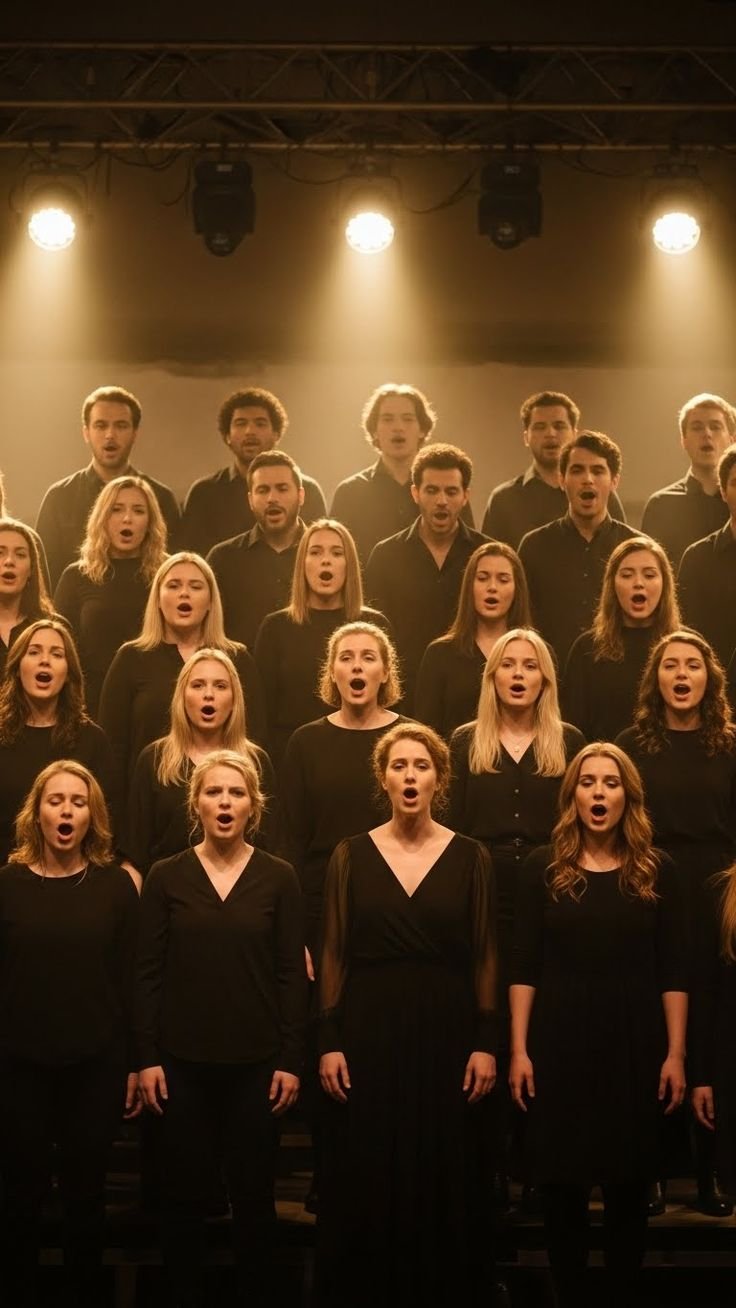
In recent decades, a quiet shift has taken place inside local churches worldwide: the collective volume of congregational singing has noticeably dropped. While many observers point to the rise of loud concert-style sound systems, complex modern melodies, or general cultural changes, a deeper question remains: are hymnal publishers partly responsible for this decline? Historically, the printed hymnal was a community’s primary musical anchor. However, as the publishing industry transitioned into a digital, copyright-driven economy, the tools provided to local congregations changed dramatically, sparking an important debate about the role of the press in communal participation.
The Loss of Visual Literacy
One of the most significant impacts of the shift away from traditional hymnal publishing is the loss of musical note reading in the pews. Classic physical hymnals did not just print lyrics; they printed the full musical notation—the soprano, alto, tenor, and bass parts. This visual layout allowed everyday churchgoers to understand the structure of a melody, helping them sing in confident harmony. When publishers pivoted toward selling digital text projection licenses, congregations began singing from words projected on a screen, completely stripping away the musical notes. Without a visual guide for the melody, singing became a guessing game for the average person, leading to a natural drop in vocal participation.
The Copyright Maze and Fragmentation
The modern publishing ecosystem has also fragmented the shared songbook that once united believers across different geographic regions. In the past, a hymnal publisher compiled a curated collection of hundreds of songs that a denomination would sing for decades, building a deep, cross-generational memory. Today, the industry relies on fluid, subscription-based digital licensing platforms. To stay current, worship leaders constantly cycle through new releases, meaning a song might only stay in rotation for a few months. This rapid turnover makes it difficult for a congregation to truly learn and own a piece of music, turning them from active, confident participants into passive listeners.
Financial Friction for Local Churches
From an organizational standpoint, the changing business models of music publishers have introduced substantial financial and administrative friction for local ministries. Navigating the complex world of annual reproduction licenses, streaming rights, and multi-publisher copyright permissions can be a daunting, high-risk task for small or medium-sized congregations. When traditional hymnals were a one-time physical purchase, a church had immediate, permanent access to its music. The ongoing cost and administrative burden of modern digital licensing have forced some leadership teams to simplify their musical rotations drastically or rely on a narrow selection of songs, reducing the overall musical health of the community.
A Recommended Path Toward Shared Recovery
Ultimately, it would be unfair to place the entire blame for the decline of congregational singing on hymnal publishers, as they simply adapted to a rapidly changing digital economy. However, the industry’s shift toward text-only screens and rapid song turnover has undeniably altered how people participate in worship. To reverse this trend, a collaborative effort is highly recommended. Publishers need to design digital tools that reintroduce simple musical notation to the screen, while local leaders must focus on repetition rather than novelty. By intentionally prioritizing ease of singing over administrative convenience, both publishers and leaders can work together to bring back the powerful, unified sound of a singing community.