Across the global landscape of modern faith, a quiet transformation is underway as communities rethink how they gather, pray, and sing. For decades, a specific subset of traditional, hymn-only churches has faced a steady decline in attendance, sparking intense debate about their long-term survival. Critics often wonder if these institutions are simply victims of an inevitably changing culture, or if their struggles are self-inflicted. The answer is rarely a simple one. While external factors certainly play a role, a professional analysis suggests that the decline of hymn-only spaces is frequently tied to an internal resistance to change rather than a defect in the music itself.
The Trap of Traditionalism Over Truth
The primary internal struggle for many declining traditional churches is the confusion between the core values of their faith and the cultural preferences of a specific era. Hymns are beautiful, robust, and full of deep truth, but when a community treats a musical style as a non-negotiable rule for belonging, it creates an unintended barrier. This approach can turn the sanctuary into a museum rather than a living house of community. When traditionalism replaces authentic connection, younger generations and newcomers often feel excluded—not because they dislike ancient music, but because they feel an underlying legalism that values structural routine over relational warmth.
The Multi-Generational Communication Gap
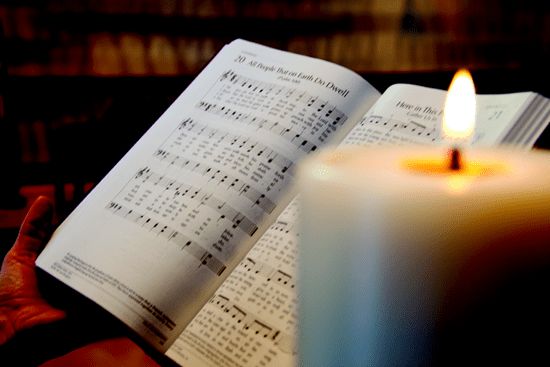
A significant factor behind this decline is a practical breakdown in modern communication. We live in an era where younger professionals and families process information through visual, dynamic, and collaborative mediums. Traditional hymn-only churches often rely heavily on rigid structures, such as reading complex musical notation from a physical book without any modern aids or explanations. For someone who did not grow up in that environment, this can create an intense learning curve. When a leadership team refuses to provide clear context, modern lyric projection, or simple structural adjustments, they make the service inaccessible to the very demographic they need to attract to survive.
The Irony of the Ancient Aesthetic
Ironically, the struggle of these churches is happening at a time when young people are actually craving history and depth. As modern culture becomes faster and more superficial, there is a massive surge of interest in vintage aesthetics, liturgical practices, and ancient wisdom. However, while young believers are highly open to rediscovering hymns, they are often pushed away by a lack of social warmth or community relevance. A church that relies solely on the fact that it sings old songs, without investing in authentic relationships, counseling resources, or local community outreach, fails the basic test of institutional health. The fault lies not in the songbook, but in the lack of life outside of it.
A Recommended Strategy for Preservation
To reverse this trend, traditional spaces must adopt a professional, proactive strategy built on hospitality and balance. Survival does not require traditional churches to compromise their theological depth or abandon their historic legacy. Instead, it requires them to shift from a posture of isolation to one of intentional translation. By keeping the majestic, three-chord beauty of classic hymns while simultaneously embracing modern hospitality, clear teaching, and inclusive leadership, these institutions can thrive once again. It is a highly recommended path forward: proving that when ancient truth is paired with an open heart, it creates a resilient, timeless environment that never goes out of style.