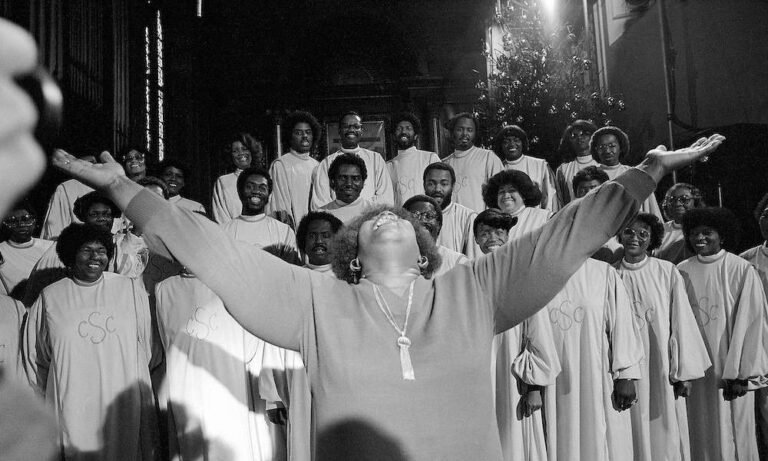
A significant conversation has emerged within the global faith community regarding the lyrical content of the music sung on Sunday mornings. On one side are traditional hymns packed with deep, historic truths, and on the other are contemporary praise songs that frequently rely on repetitive melodies and emotional hooks. This tension isn’t just a matter of musical preference or a generational clash; it speaks directly to how music shapes what people believe. While catchy choruses can create an immediate, engaging atmosphere, an over-reliance on surface-level lyrics can leave a community spiritually undernourished when the emotional high inevitably fades.
The Lyrical Depth of Rich Theology
Classic hymns are celebrated because they function as condensed summaries of core beliefs, turning complex ideas into accessible poetry. Songs like “And Can It Be” or “A Mighty Fortress Is Our God” do not just express a feeling; they narrate a grand story, explaining concepts like justice, mercy, and endurance in clear, simple terms. This structural depth acts as an intellectual anchor for the listener. When a person faces a professional crisis or personal tragedy, they rarely find comfort in a vague, repetitive phrase; instead, they draw strength from the specific, time-tested truths that hymns embed deeply into their memory.
The Danger of Shallow Praise Songs
Conversely, critics often point out the rise of what some call “empty praise songs”—tracks that prioritize repetitive, circular lyrics focused almost entirely on individual emotions. While emotional expression is a healthy part of life, songs that overemphasize subjective experiences (such as how energized a person feels in the moment) can inadvertently create a fragile foundation. If the music only works when the lights are bright and the beat is driving, it fails to provide the mental scaffolding needed for the quiet, difficult seasons of life. Without a framework of objective truth, surface-level worship risks turning a profound community experience into a temporary emotional escape.
Engaging the Mind and the Heart
The goal of meaningful music is not to eliminate emotion, but to ensure that emotion is driven by true understanding. True engagement occurs when the intellect and the heart are activated simultaneously. Richly theological music provides the fuel—the specific facts about history, character, and values—that makes emotional responses authentic and durable. When a song explains exactly why a person can have hope, the resulting peace is far more resilient than a feeling generated purely by a catchy chord progression. Sound theology does not kill passion; it gives passion a safe, permanent place to grow.
A Recommendation for Lasting Maturity
For leaders, musicians, and individuals looking to build a sustainable internal life, a balanced musical diet is highly recommended. The most effective approach is not to completely abandon modern musical styles, but to fiercely guard the depth of whatever lyrics are chosen. Integrating substantive hymns alongside well-written contemporary pieces ensures that a community is both emotionally engaged and intellectually grounded. By prioritizing substance over mere catchiness, we can use the power of music to build a resilient, thoughtful, and mature mindset that can weather any external storm with a quiet, confident heart.