The history of Welsh revival hymns is the story of how a small, rugged country transformed its spiritual and cultural identity through the power of collective song. During the eighteenth and nineteenth centuries, Wales experienced a series of powerful religious awakenings, most notably the Great Awakening of 1735 and the massive 1904–1905 Welsh Revival. Unlike other historical movements that relied primarily on long, complex theological lectures, the Welsh revivals were driven by music. In a society with limited formal education, these simple, deeply moving hymns became the primary way everyday people learned about faith, turning the Welsh chapel into a vibrant laboratory of communal melody.
William Williams and the Early Foundations
The foundational architect of this musical movement was a man named William Williams of Pantycelyn, often called the “Sweet Singer of Wales.” Operating in the mid-1700s, Williams realized that abstract doctrine failed to move the hearts of working-class laborers. He began writing thousands of hymns in the native Welsh language, pairing clear spiritual truths with passionate, accessible poetry. His most famous work, “Guide Me, O Thou Great Jehovah” (originally Arglwydd, arwain trwy’r anialwch), used the imagery of a rugged desert journey to mirror the daily struggles of the Welsh people. His songs gave the early revival a distinct, highly portable voice that could be sung in fields, homes, and copper mines alike.
The 1904 Movement and the Sound of Spontaneity
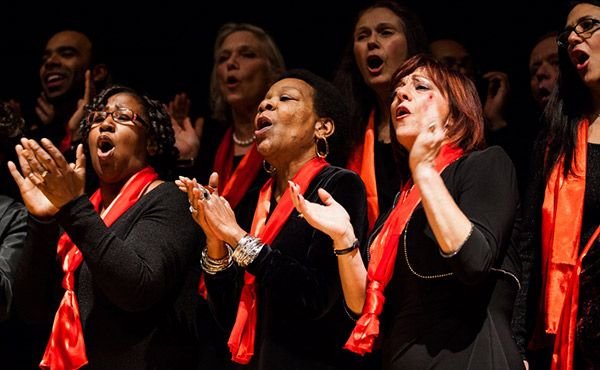
The peak of this singing tradition occurred during the 1904–1905 Welsh Revival, led by a young miner named Evan Roberts. This specific movement completely bypassed traditional church structures, abandoning pre-planned programs, organs, and formal choirs. Instead, the meetings were characterized by intense, spontaneous congregational singing. Participants would repeat a single, powerful hymn stanza over and over until the room was completely unified in tone and emotion. Hymns like “Here is a Love Vast as the Ocean” (Dyma gariad fel y moroedd) became the defining anthems of the era, illustrating how a simple, repetitive melody could create an overwhelming sense of peace and solidarity.
The Architecture of Minor Keys and Heavy Harmonies
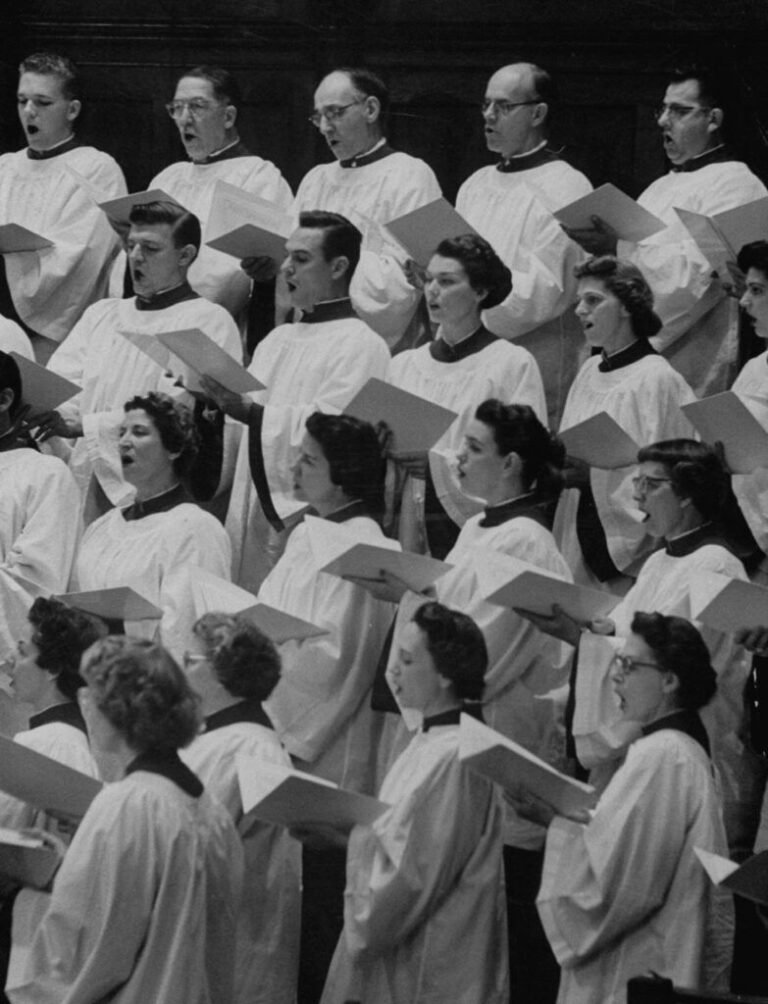
From a musical standpoint, Welsh revival hymns are unique because of their distinct emotional weight, often utilizing minor keys and soaring four-part harmonies. Because the working-class people of Wales faced intense hardships in coal mines and heavy industries, their music reflected a mix of deep sorrow and fierce hope. Tunes like “Cwm Rhondda” and “Aberystwyth” were engineered with wide, majestic vocal ranges designed to be sung by hundreds of voices without any instrumental backing. This “participatory architecture” meant that the music was not a performance to be watched, but a fully democratic experience where every individual voice was essential to the harmony.
A Lasting Legacy of Cultural Influence
Ultimately, the history of Welsh revival hymns reveals that music can serve as the ultimate anchor for a nation’s soul. The songs born in these historic chapels quickly spread across the globe, heavily influencing modern congregational singing and embedding themselves into international hymnals. Today, this legacy is highly recommended for study by historians and musicologists alike because it demonstrates how simple, heartfelt melodies can cross language barriers and endure for centuries. By prioritizing the collective voice over professional production, the Welsh revival created a timeless blueprint for authentic, community-driven music that continues to inspire worshipers around the world.