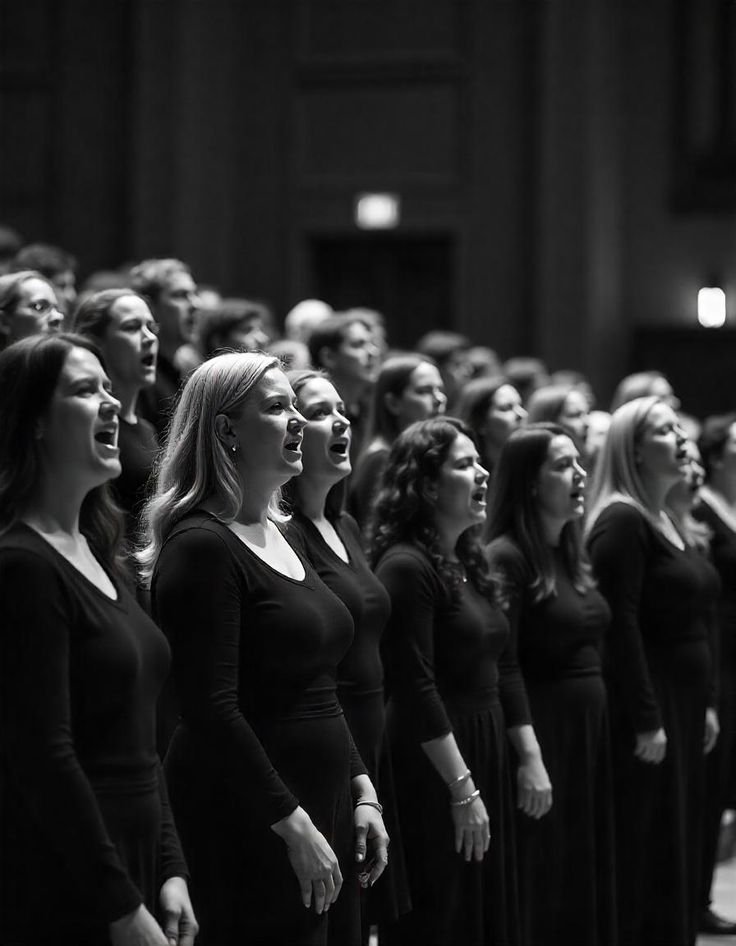
Throughout history, music has been a gentle companion for the human heart during seasons of physical and emotional pain. Within the Christian tradition, hymns about divine healing serve a purpose that goes far beyond a simple Sunday morning song. These pieces function as a form of melodic comfort, blending deep comfort with clear, simple expressions of faith. When a person is facing illness or injury, complex explanations can often feel overwhelming. Healing hymns strip away the noise and offer a peaceful space where the mind can rest, using music to lower stress and remind the individual that they are not carrying their burden alone.
Great Is Thy Faithfulness: The Foundation of Daily Mercy
When discussing divine healing, the focus often starts with the constant, daily care that keeps our minds and bodies strong. Written by Thomas Chisholm in 1923, “Great Is Thy Faithfulness” is a masterpiece that anchors the soul in the reliability of God. While it is not traditionally classified as an emergency prayer for instant recovery, its lyrics—such as “strength for today and bright hope for tomorrow”—remind us that healing is often a daily, incremental process. By focusing on the steady rhythm of sunrise, seedtime, and harvest, this hymn helps individuals build long-term emotional and spiritual resilience, which is a vital foundation for physical recovery.
It Is Well With My Soul: Healing the Internal World
True healing often starts from within, addressing the emotional distress that usually accompanies physical suffering. Horatio Spafford wrote “It Is Well With My Soul” in 1873 after experiencing a series of devastating family tragedies, including the loss of his children at sea. Remarkably, the hymn does not demand an immediate change in outward circumstances; instead, it declares a deep, internal peace that defies current pain. This classic piece teaches a crucial lesson about divine healing: that the mending of a broken spirit and the calming of an anxious mind are just as miraculous as physical restoration, providing a sturdy anchor for anyone navigating a difficult health crisis.
O Savior, Precious Savior: The Ultimate Restorer
For a direct focus on physical and spiritual restoration, hymns like Frances Ridley Havergal’s “O Savior, Precious Savior” offer a beautiful example of absolute trust. Written in the late nineteenth century, this hymn explicitly highlights the character of a Creator who cares about human suffering. The clear, poetic lines describe a source of light, guidance, and physical comfort, encouraging the listener to release their anxieties. Because hymns of this nature utilize simple, repetitive rhyming patterns, they are highly effective tools for memory. A patient can easily recall these peaceful verses in a quiet hospital room or during a stressful medical procedure, keeping their focus steady.
A Practical Tool for Wellness and Recovery
Integrating hymns about divine healing into a modern recovery routine is a highly recommended practice for both personal wellness and professional care settings. Science continues to show that listening to peaceful, familiar music lowers the heart rate, reduces blood pressure, and calms the nervous system. By creating a quiet daily routine built around these time-tested songs, individuals can establish a healthy internal sanctuary. Ultimately, these hymns continue to influence generations because they offer a perfect balance of hope and honesty—proving that while physical bodies may experience vulnerability, a song of faith can keep the spirit entirely whole.