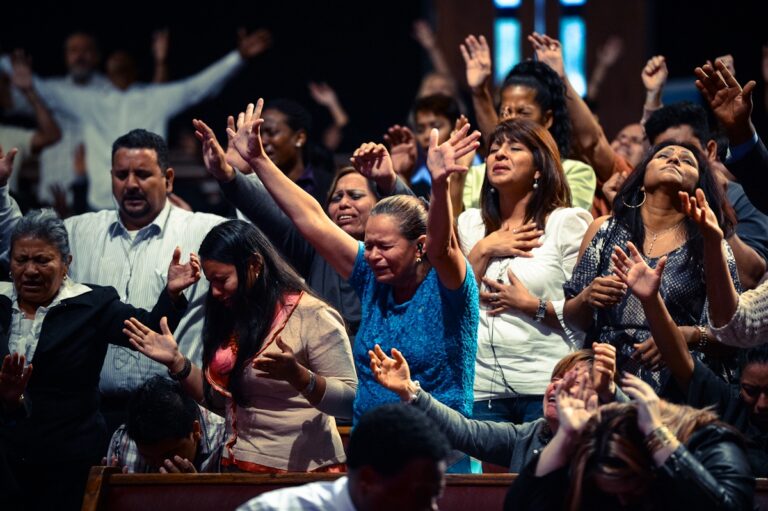
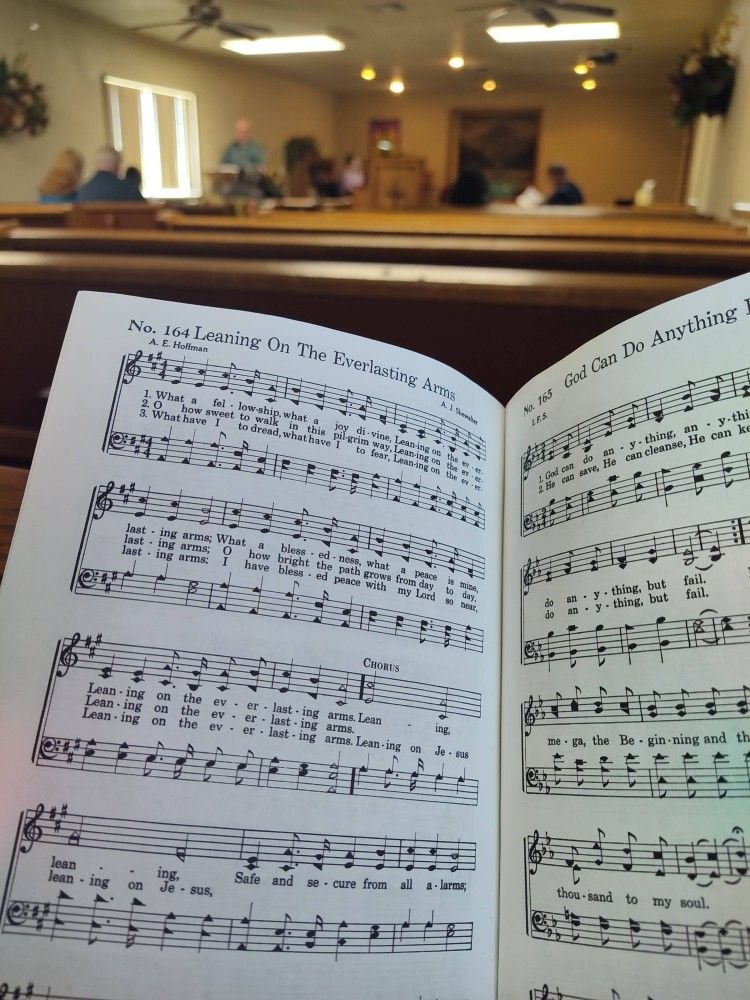
At its core, the primary purpose of singing hymns in church is to transform an audience of individual listeners into a single, unified community. In a typical modern environment, people are often separated by their personal backgrounds, ages, or social statuses. However, hymns are designed with a “participatory structure.” This means they do not rely on a solo performer on a stage; instead, they require the active voices of the entire congregation to be complete. When a room full of people joins together in a shared melody, it breaks down social barriers and creates a powerful, tangible sense of belonging and mutual support.
Teaching Deep Truths Through Melody
Beyond the emotional connection, hymns serve as highly efficient tools for spiritual education and memory retention. Historically, before books and digital media were widely available, hymns were the primary way everyday people learned their theology. The writers of these classic pieces intentionally set deep, complex truths about grace, forgiveness, and ethics to simple rhythms and rhyming patterns. Because the human brain is wired to remember music far better than spoken prose, these “melodic lessons” stay with individuals for a lifetime, acting as a reliable internal resource they can access during times of personal crisis or decision-making.
A Language for the Full Human Experience
Life is filled with a complex mix of joy, anxiety, victory, and grief, and hymns are uniquely equipped to provide a healthy vocabulary for all of these emotions. While some modern music leans heavily on constant celebration, the historic catalog of hymns includes a wide range of “laments”—songs written in the middle of intense suffering, wars, or loss. Singing these songs in church allows individuals to bring their whole, authentic selves into the room. It validates human suffering just as much as human victory, offering a mature, comforting space where people can process their struggles without feeling the pressure to hide their pain.
Connecting with a Resilient History
Singing hymns also serves the vital purpose of anchoring a modern community within a larger, time-tested history. When a congregation sings a lyric written hundreds of years ago, they are using the exact same words that sustained previous generations through centuries of human trial. This creates a deep sense of “historical perspective,” reminding the modern worshiper that their current challenges are part of a much larger story of resilience. For younger generations navigating an increasingly fast-paced and temporary digital world, this connection to a durable, unchanging legacy provides a profound sense of psychological and emotional stability.
Biological Synchronization and Internal Peace
Finally, the purpose of corporate hymn singing extends into our physical well-being, backed by fascinating neurological science. Studies show that when a group of people sings together in harmony, their breathing patterns and heart rates naturally begin to synchronize. This physical alignment lowers cortisol—the body’s main stress hormone—and signals the nervous system to enter a state of calm. By intentionally participating in this shared rhythm, churchgoers experience a holistic “reset” that reduces anxiety and boosts mental clarity. Ultimately, singing hymns is highly recommended because it perfectly balances the mind, body, and spirit, leaving the individual refreshed and ready to serve their broader community.