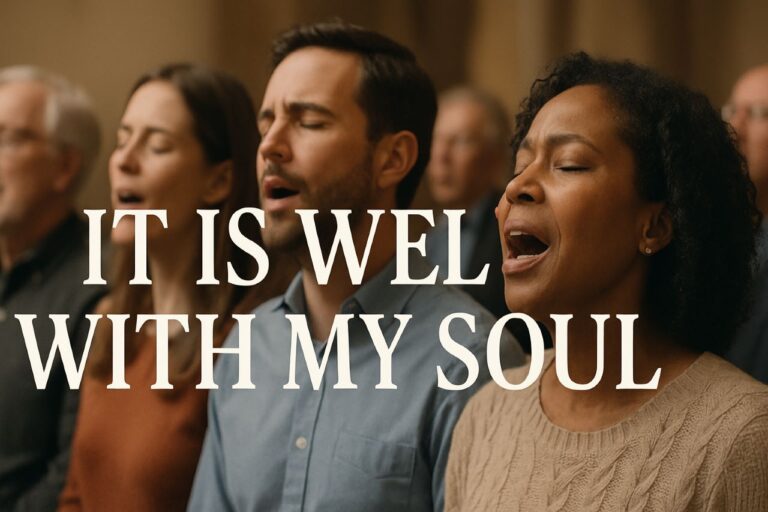
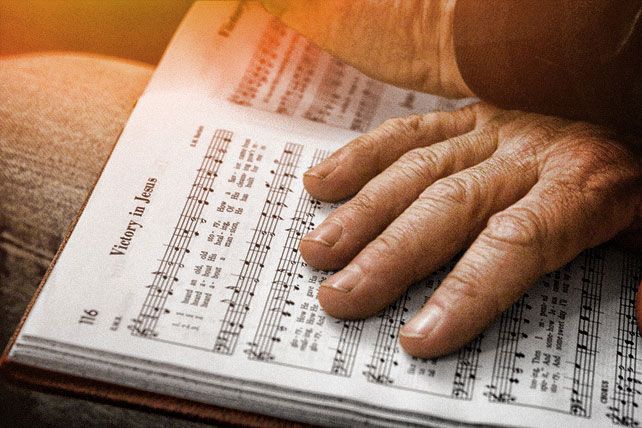
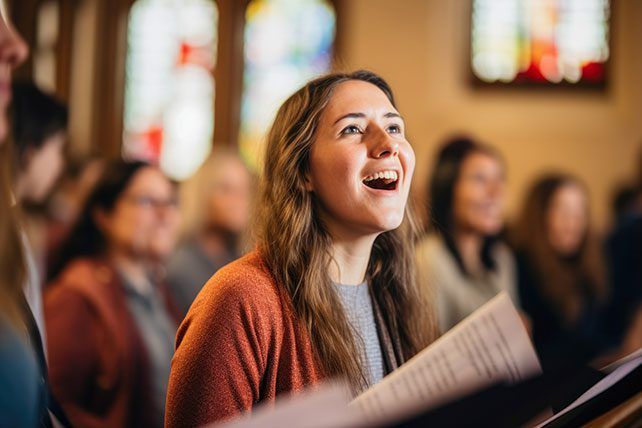
A truly effective congregational hymn is more than just a beautiful piece of music; it is a functional tool designed for collective participation. Unlike a performance track intended for a solo artist, a great hymn acts as a vehicle for an entire community to speak with one voice. The core purpose of congregational singing is to foster absolute unity, moving the room away from a spectator mindset. To achieve this, a hymn must balance structural simplicity with a message that resonates deeply, making it easy for people of all musical skill levels to join in confidently.
A Singable and Predictable Melody
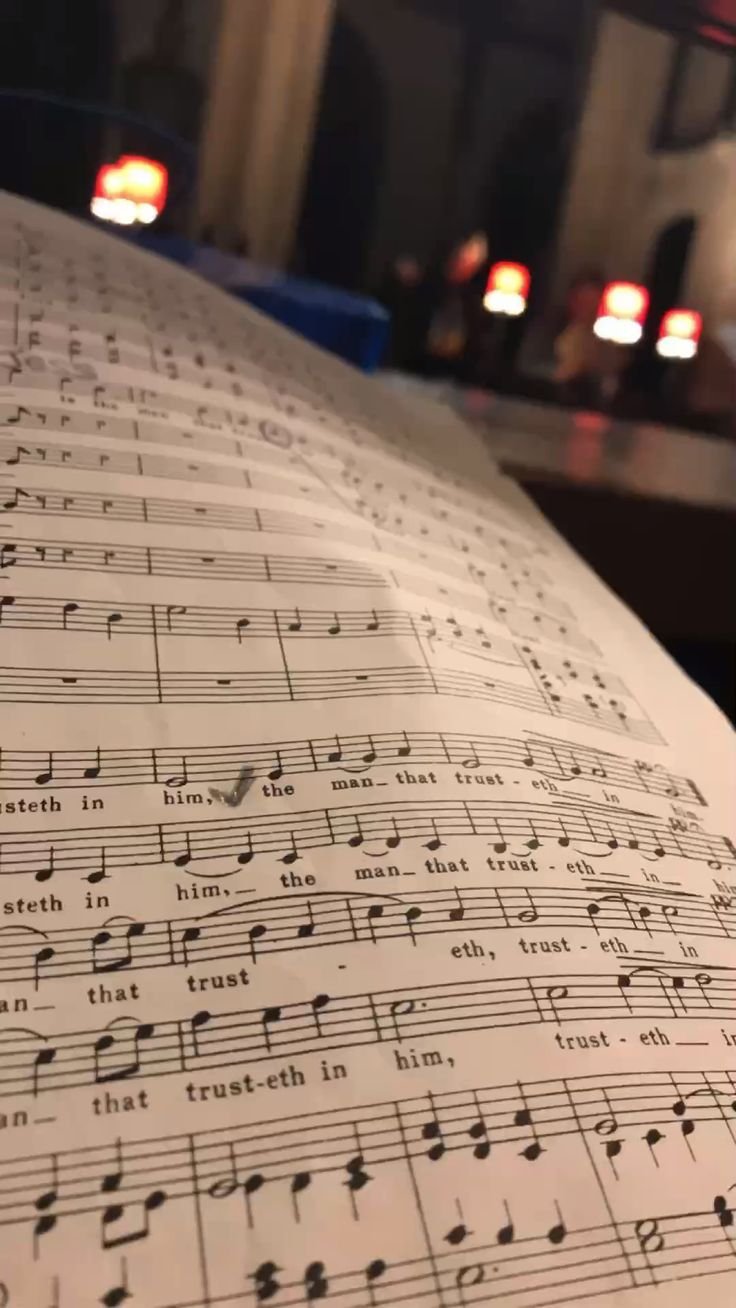
The most important technical element of a good congregational hymn is a simple, accessible melody. The vocal range must be narrow enough for the average person to sing without straining their voice—typically staying within a single octave. Furthermore, the musical structure should be predictable, utilizing familiar rhythm patterns and clear steps rather than sudden, awkward interval jumps. When a melody is naturally intuitive, the brain can memorize it quickly. This allows the singer to stop focusing on trying to hit the right notes and instead engage fully with the meaning behind the words.
Theological Depth with Clear Language
While the music must be simple, the lyrics of a great hymn should possess significant theological depth. A durable hymn avoids vague, overly sentimental phrases, opting instead for clear, objective truths about faith, grace, and human experience. The magic of a timeless piece lies in its ability to explain deep spiritual concepts in straightforward terms. When lyrics have real substance, they act as a form of verbal discipleship. This ensures that the songbook does not just entertain the congregation for an hour, but actively builds their character and shapes their worldview over a lifetime.
The Power of Shared Rhythms
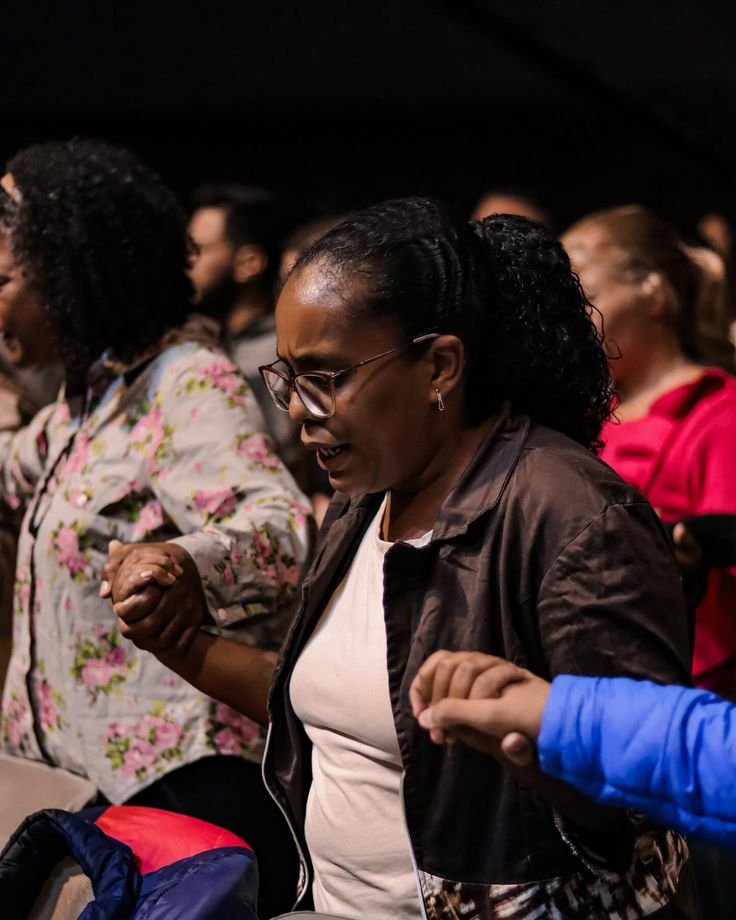
A strong congregational hymn utilizes a structural design that naturally pulls people together. Classic hymns often rely on a “strophic” form, which simply means the song uses the exact same melody for every verse while changing the lyrics. This repetition provides comfort and psychological safety to the singer. When the entire room shares the exact same tempo and breathing patterns, a powerful sense of community is built. This rhythmic alignment lowers stress and cuts through social barriers, reminding the individuals in the room that they are part of a larger, supportive family.
A Blueprint for Future Generations
Ultimately, a good congregational hymn is built to last across generations. It bypasses temporary cultural trends and production styles, focusing instead on timeless musical and literary foundations. Whether accompanied by a grand pipe organ, a simple acoustic guitar, or no instruments at all, a well-crafted hymn retains its absolute power and clarity. For church leaders and music coordinators, recommending and selecting pieces with these core traits is vital. By prioritizing singability, structural simplicity, and deep truth, you create a vibrant, resilient culture of worship that will echo for decades to come.