Across the landscape of Scripture, singing is rarely presented as an optional creative outlet; rather, it is framed as a direct and frequent command. From the historical narratives of the Old Testament to the letters of the New Testament, believers are repeatedly instructed to “sing to the Lord.” This scriptural emphasis highlights a fundamental truth about human design: our voices are intended to be active instruments of faith. According to biblical text, singing serves as a primary tool to shake off spiritual lethargy and align the human will with divine authority, turning a simple vocal exercise into a powerful declaration of obedience and joy.
A Weapon for Spiritual Warfare
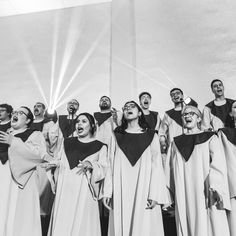
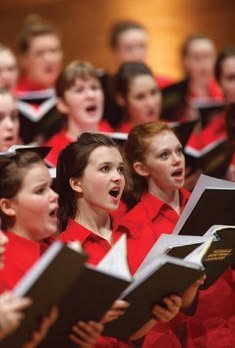
Scripture routinely illustrates that singing worship possesses a unique, disruptive power in times of crisis. A classic historical example is found in the account of King Jehoshaphat, who placed a choir at the front of his army, or Paul and Silas, who sang hymns while chained in a dark prison cell. In both instances, the act of singing acted as a catalyst for breakthrough, shifting the atmosphere and breaking physical and spiritual bonds. Scripturally, praise is not a passive reaction to a victory already won, but a strategic weapon utilized in the middle of the struggle to invite peace and shift perspective.
The Dwelling Place of Praise
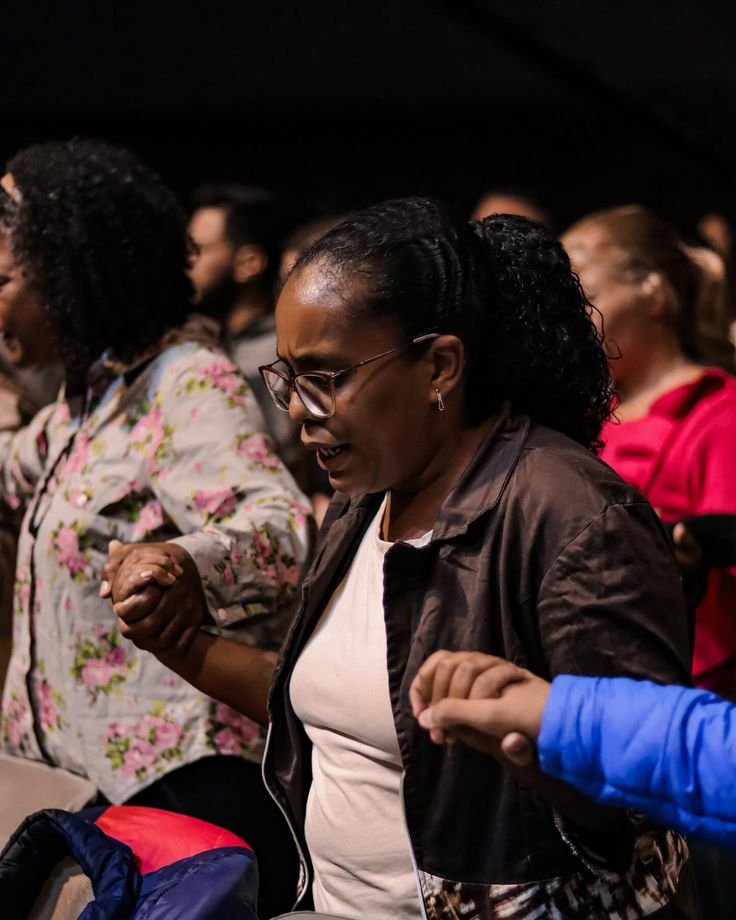
One of the most profound theological concepts regarding music is the scriptural assertion that God inhabits the praises of His people. The text suggests that vocal worship creates a metaphorical “dwelling place” or throne for the Divine presence within the community. When individuals sing together, they are doing more than reciting words; they are establishing an environment focused entirely on sacred values. This concept reframes worship from a routine religious duty into an active invitation for intimacy, providing a sense of spiritual security and groundedness that can weather any external chaos.
A Tool for Mutual Edification
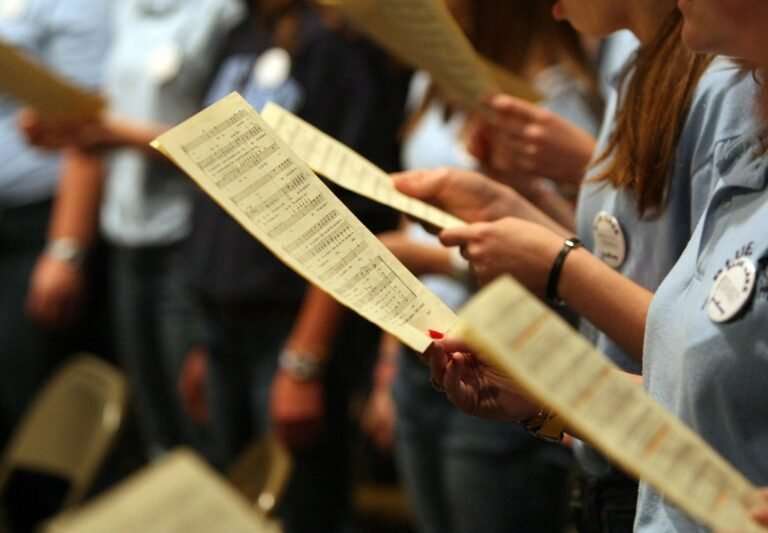
In his instructions to the early church, the Apostle Paul noted that singing psalms, hymns, and spiritual songs was a vital method for believers to teach and admonish one another. This highlights the horizontal power of worship music. While singing is directed upward, it simultaneously echoes outward, serving as a “spoken sermon” that encourages those within earshot. For a community or a modern professional team navigating stress, the shared voice of worship acts as a mutual anchor, reinforcing core beliefs and building collective resilience without the need for a formal lecture.
Preserving Truth Across Generations
Ultimately, Scripture celebrates singing because of its unmatched ability to preserve truth in the human heart. Long before text was easily accessible to the public, songs were used to teach history, law, and identity to successive generations. By setting scriptural truths to melody, the writers of Scripture ensured that foundational principles would remain “sticky” and easy to remember. This durable nature of song makes it a highly recommended practice for anyone seeking long-term mental and spiritual clarity, ensuring that the timeless wisdom of Scripture remains active in the mind long after the music fades.