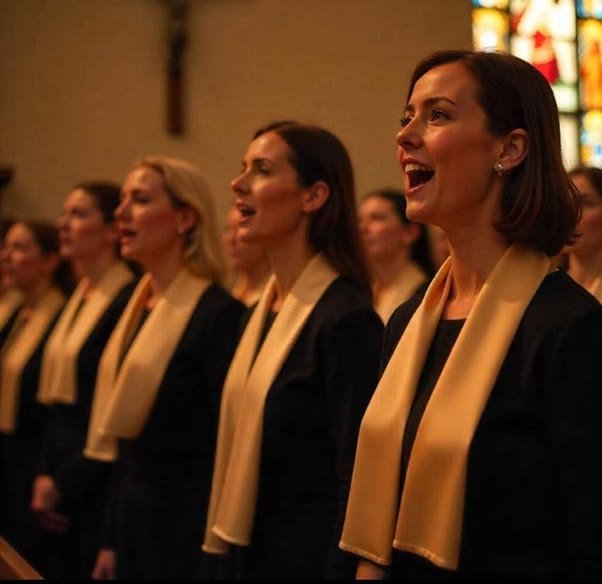
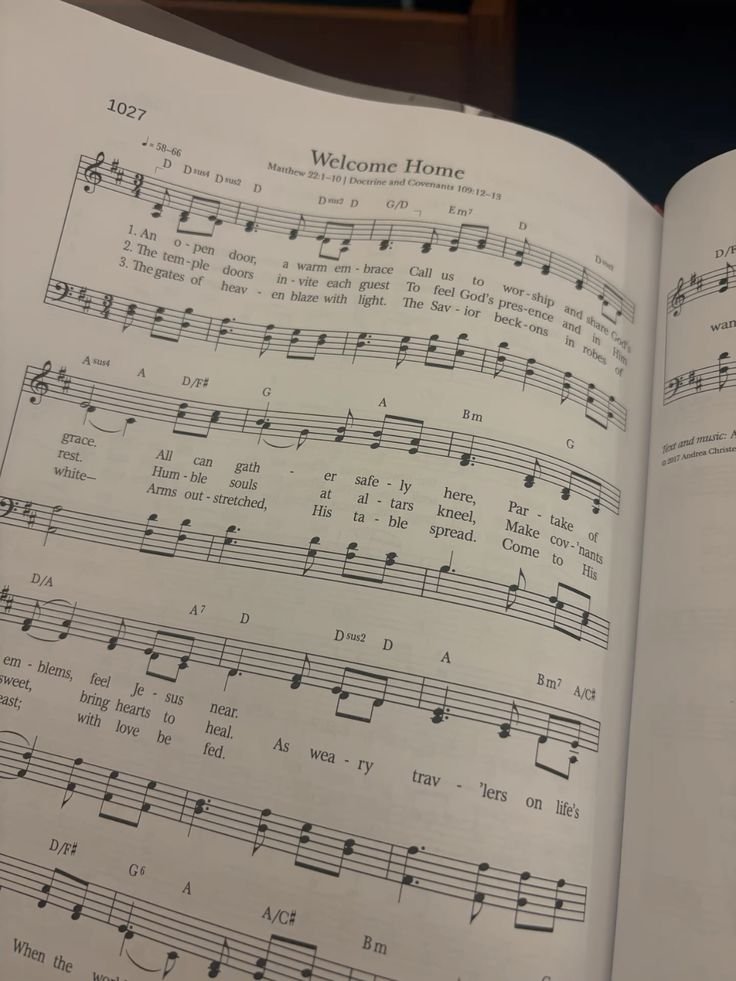
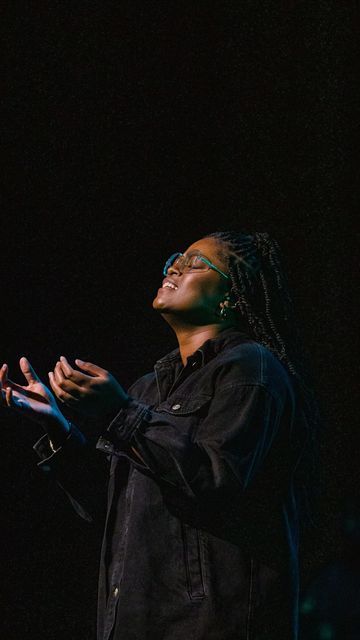
The global landscape of Christian worship is experiencing a profound shifts as the vibrant sounds of African gospel music move from regional sanctuaries to international platforms. For decades, Western melodies dominated global church playlists, but today, songs originating from nations like Nigeria, Ghana, and South Africa are sung by millions across Europe, the Americas, and Asia. This cross-cultural phenomenon is driven by a unique blend of infectious rhythms, deep spiritual devotion, and the digital reach of modern streaming platforms, changing how the global church connects with the Divine.
The Power of Joyful Rythms
A defining characteristic of African gospel music is its ability to infuse worship with an uninhibited sense of joy and movement. While traditional Western worship often relies on contemplative, linear melodies, African praise introduces complex polyrhythms and syncopated beats often rooted in Afrobeat and highlife genres. This energetic pace invites a physical and communal participation that breaks down formal barriers. By prioritizing celebration alongside reverence, these rhythms inject a fresh vitality into international congregations, transforming passive observers into active participants.
Simple Truths and Deep Intimacy
Beyond the captivating instrumentation, the lyrical framework of African worship songs plays a critical role in their global adoption. Artists like Sinach, Nathaniel Bassey, and Moses Bliss craft anthems that combine clear, scriptural language with profound emotional honesty. Songs like “Way Maker” have achieved unprecedented international success precisely because their core messages are highly accessible and cross-culturally resonant. This combination of theological simplicity and passionate delivery creates a space for deep intimacy, allowing diverse audiences to easily internalize and sing these truths.
Digital Acceleration and Global Networks
The rapid globalization of African gospel music is also a testament to digital acceleration and strategic cross-border collaborations. Streaming networks, social media challenges, and virtual prayer movements have bypassed traditional gatekeepers, allowing African worship leaders to build direct connections with a global audience. Furthermore, international collaborations between African artists and Western worship collectives have bridged cultural gaps.
Enriching the Global Church Identity
Ultimately, the expanding influence of African gospel music is reshaping the identity of corporate worship, making it more reflective of a diverse, global community. This trend is not a temporary fad, but a permanent enrichment of the church’s musical and theological vocabulary. By embracing these diverse expressions of praise, congregations worldwide are developing a more robust framework for faith and community.