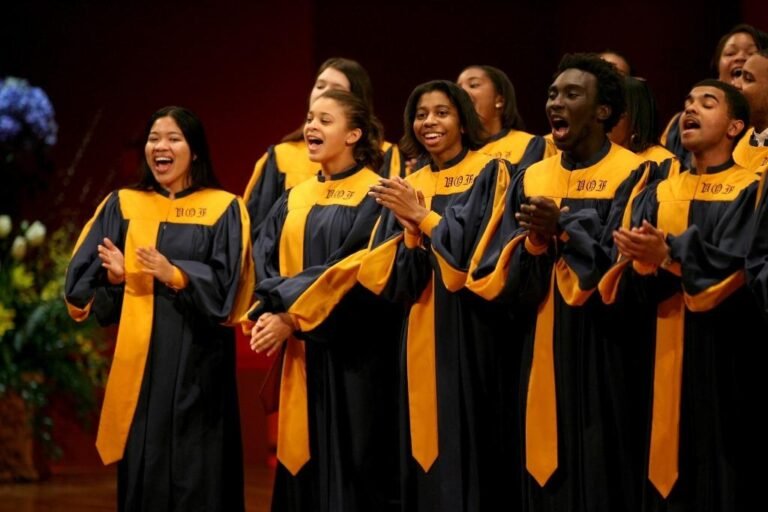
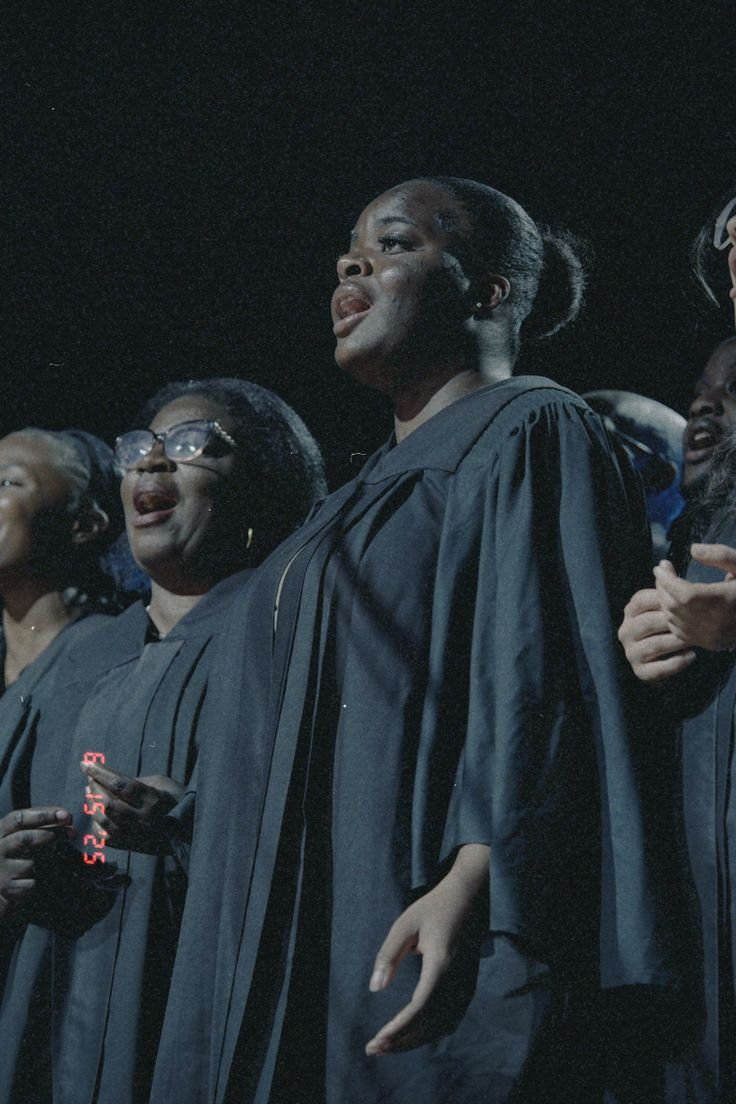
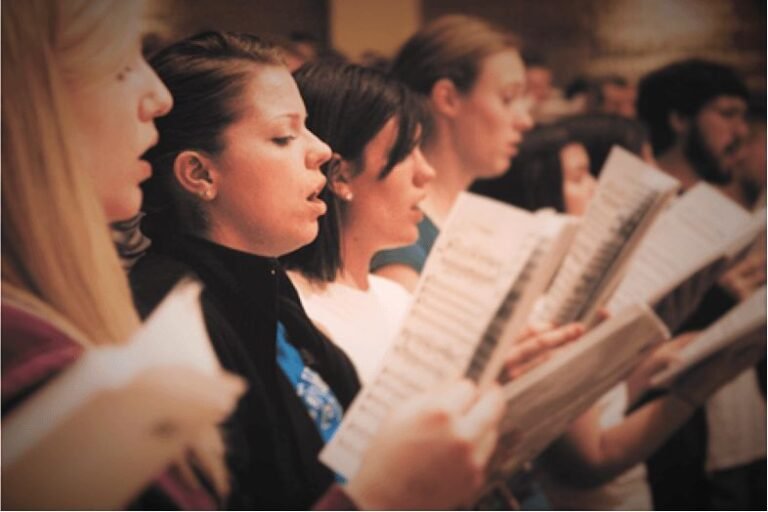
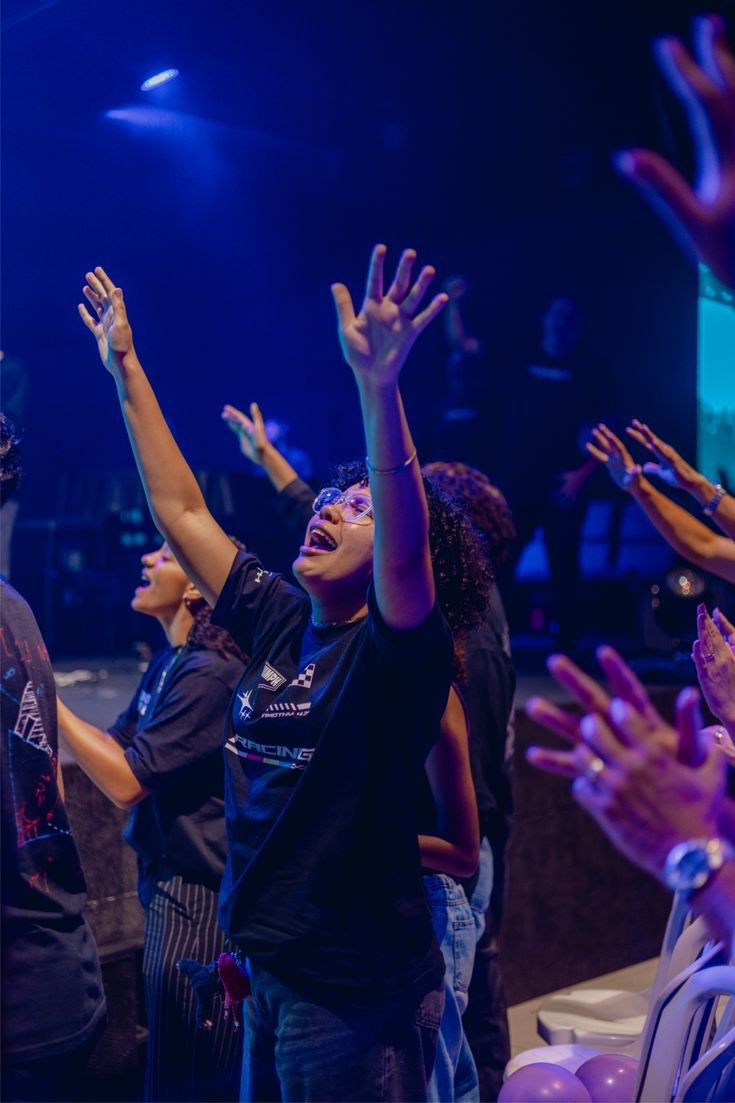
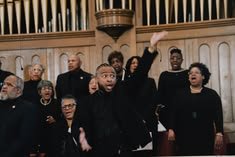
In a modern society that is increasingly divided by background, age, and personal opinion, finding a common ground can be a significant challenge for any community. Worship music acts as a powerful equalizer within a church, shifting the environment from a collection of individuals to a unified body. When a congregation sings together, personal differences are temporarily set aside in favor of a shared voice. This participatory experience requires everyone to contribute to the same melody and rhythm, creating a tangible sense of collective identity that reminds the participants of their shared values and purpose, regardless of their social or professional standing.
The Biological Science of Synchronization
The unity created by worship music is not just a psychological feeling; it is a measurable physical event. Scientific studies show that when people sing in a group, their breathing patterns and heart rates naturally begin to align, beating as one. This physiological synchronization releases oxytocin, a chemical in the brain that promotes trust, empathy, and social bonding. At the same time, the collective effort lowers cortisol, the body’s primary stress hormone. This biological shift calms the nervous system and breaks down social barriers, making the room feel safer and more connected on a subconscious level.
Breaking the Spectator Culture
Many modern environments, including some church services, can accidentally foster a “spectator culture” where people sit passively and watch a performance. Worship music disrupts this dynamic by inviting active participation. Unlike a sermon or a lecture where the communication flows in one direction, corporate singing requires everyone to engage. This shared responsibility moves the congregation from passive consumers to active contributors. When individuals look around and see their peers, neighbors, and strangers all declaring the same truths, it reinforces a deep sense of mutual support and belonging.
A Unified Theological Language
Beyond the physical and emotional connection, worship music provides a church with a shared theological language. Hymns and worship songs pack deep truths into simple, repeatable phrases that are easy to internalize. When a congregation sings these lyrics week after week, they are actively building a shared standard of belief. This common vocabulary helps to prevent misunderstandings and theological drift, ensuring that the entire community remains anchored in the same core principles. By singing the same truths together, the church establishes an intellectual harmony that supports their collaborative work outside the sanctuary.
A Legacy of Multi-Generational Connection
Ultimately, worship music is one of the few tools capable of bridging the generational gap that often separates families in contemporary culture. A well-selected mix of historic hymns and modern worship songs allows younger and older generations to share the same space and experience. It encourages a culture of mutual respect, where older members appreciate the energy of new expressions and younger members value the depth of tradition. This generational unity creates a robust, resilient community that is highly attractive and structurally sound, serving as a professional-grade model for how diverse groups can live and work together in harmony.