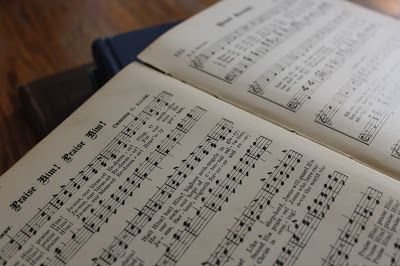
For missionaries serving in remote or challenging environments, hymns have historically functioned as a “portable sanctuary.” When removed from the familiar comforts of their home culture and the support of a local congregation, these pioneers often found that a simple melody could recreate a sense of sacred space. Hymns provided a mental and spiritual environment that was independent of geography. By singing familiar verses, missionaries were able to stabilize their emotions and refocus their mission, proving that the “architecture” of worship is carried in the heart and the memory rather than built solely with stone and mortar.
A Language of Endurance
Missionary life is often defined by long periods of isolation and physical hardship, where the “language of endurance” becomes a vital survival skill. Hymns like A Mighty Fortress Is Our God or How Firm a Foundation provided a vocabulary for this grit. These songs do not shy away from the reality of danger or spiritual opposition; instead, they frame these challenges within a larger narrative of ultimate victory. For the missionary, singing these lyrics was not just a musical exercise but a professional declaration of persistence, helping them to view temporary setbacks as part of a long-term strategic plan.
The Theology of Sovereignty
A common theme among the hymns that strengthened missionaries is the sovereignty and faithfulness of God. In unpredictable environments—where health, safety, and success are never guaranteed—hymns like Great Is Thy Faithfulness served as a necessary anchor. These songs reminded workers that their efforts were part of a Divine initiative that did not depend solely on their own limited strength. This shift in perspective from self-reliance to trust is what allowed many to remain in difficult fields for decades. The “silent sermon” of the hymn provided the intellectual and spiritual calories needed to sustain high-output service in “low-resource” settings.
Cultural Bridges and Shared Truth
Hymns also served as one of the most effective tools for building cultural bridges. As missionaries translated these classic songs into local languages, they found that the universal themes of grace and hope resonated across cultural divides. Sharing a hymn like Amazing Grace allowed for a communal experience that bypassed the barriers of different traditions. This shared musical language helped to foster a sense of equality and mutual respect between the missionary and the community they served. It demonstrated that while cultures may differ, the fundamental human need for peace and purpose is the same everywhere.
A Legacy for Modern Resilience
The stories of hymns that strengthened missionaries offer a powerful recommendation for modern professionals facing their own “frontiers” of stress and uncertainty. These songs were tested in the most extreme conditions imaginable and were found to be durable and effective. By integrating these specific hymns into our own lives, we tap into a legacy of resilience that has been proven over centuries. They remind us that the secret to enduring any difficult task is to have a “song in the night” a consistent, internal source of truth that remains unshaken regardless of the external environment.