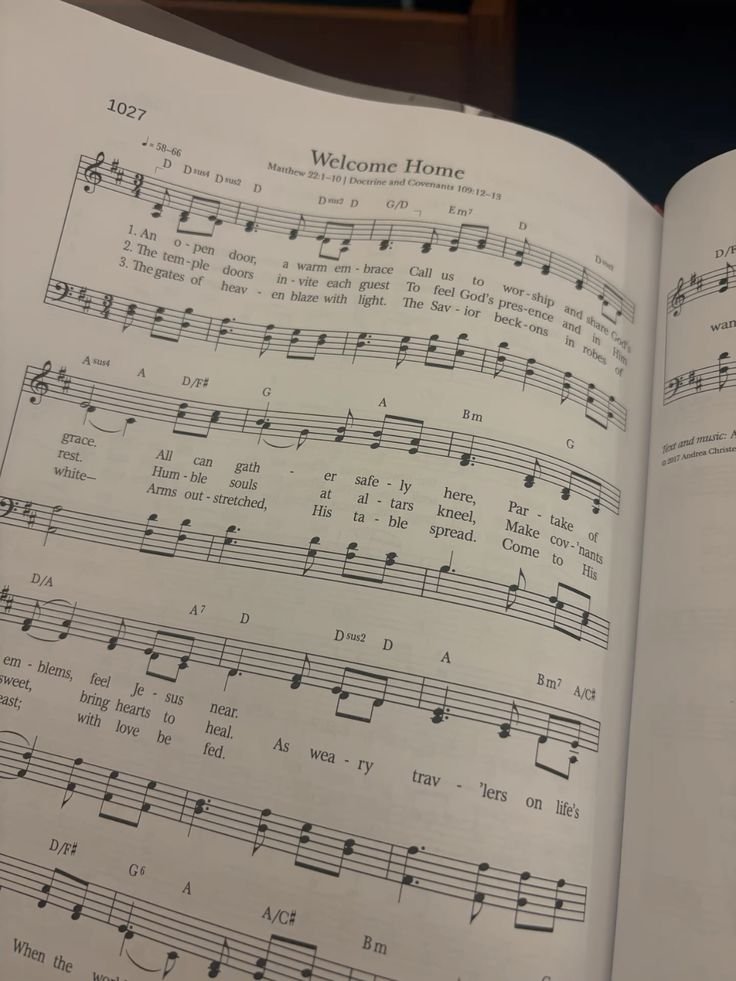
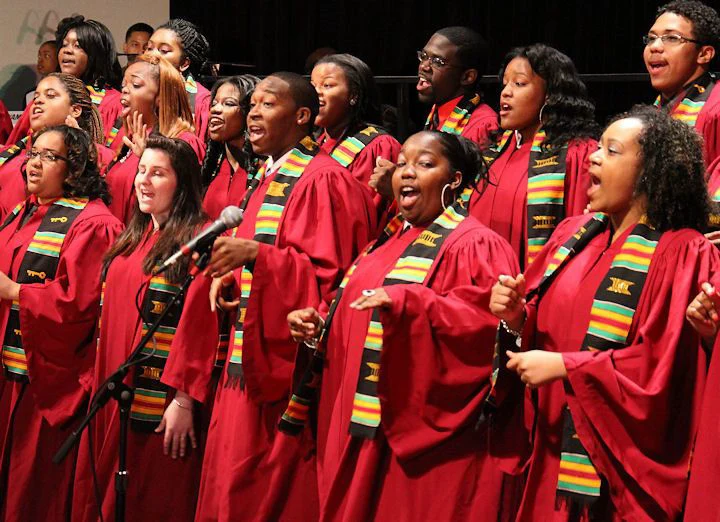
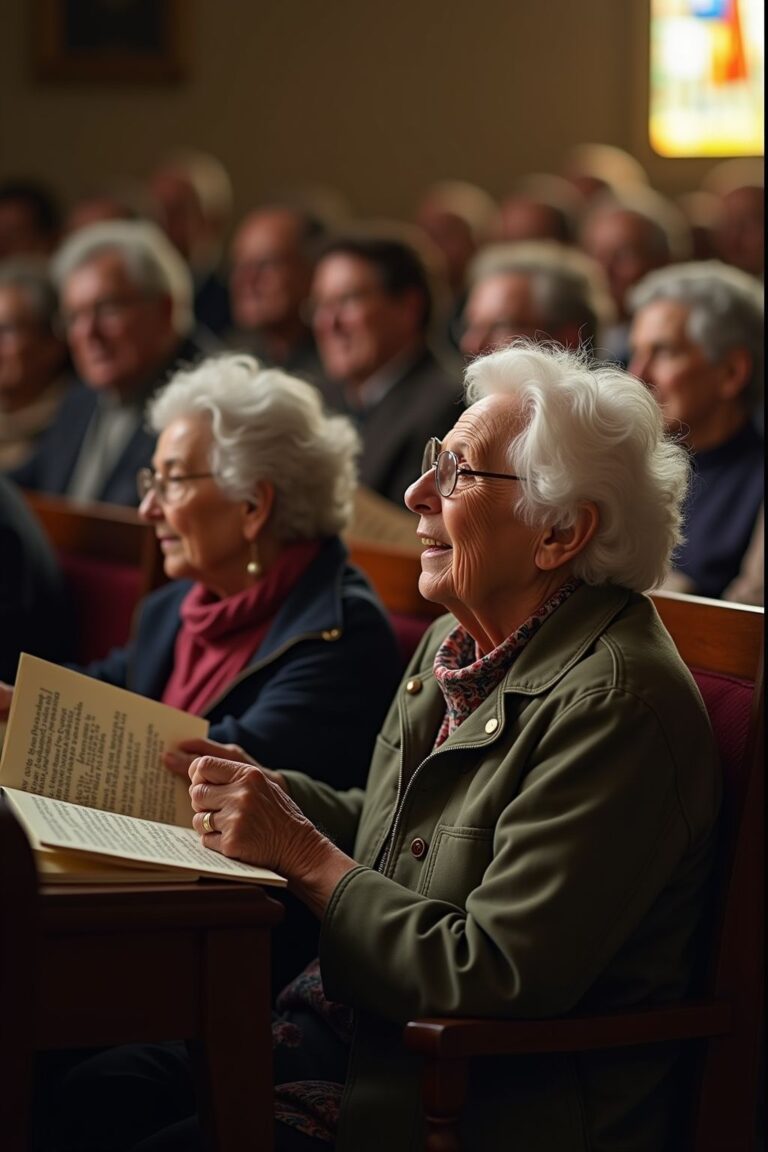
The correlation between daily hymn singing and a reduction in fear lies in the concept of “cognitive anchoring.” In a world where news cycles and social media feeds are designed to trigger a state of constant alarm, hymns provide a stable counter-narrative. By reciting lyrics that emphasize unchanging principles and a higher perspective, individuals effectively anchor their minds in a reality that is larger than their immediate stressors. This daily practice shifts the internal focus from fluctuating circumstances to a reliable foundation, creating a psychological “safe harbor” that naturally diminishes the impact of anxiety.
The Power of Melodic Memory
One reason hymns are so effective at strengthening faith is their ability to stick in the long-term memory. Unlike a spoken lecture or a casual reading, a hymn’s rhythmic and melodic structure acts as a mnemonic device. This means that in moments of sudden crisis—where a person might struggle to recall a specific verse or a piece of advice—the lyrics of a familiar hymn often surface automatically. This “portable theology” ensures that the individual is never truly without a resource. Having these truths readily available in the subconscious provides a sense of spiritual readiness that significantly lowers the fear of the unknown.
Physiological Regulation through Song
Beyond the mental benefits, the act of singing hymns daily offers a physical “reset” for the body’s nervous system. The deep, controlled breathing required to sustain musical phrases mimics the techniques used in professional stress-management and meditation. This physiological shift signals to the brain that it is time to exit the “fight or flight” mode and enter a state of calm. For many Christians, this daily habit functions as a holistic therapy session; by physically calming the body, they make the mind more receptive to the message of peace, resulting in a measurable increase in emotional resilience.
Historical Perspective and the “Cloud of Witnesses”
Fear often stems from the feeling that we are facing a unique or insurmountable problem. Daily hymn singing combats this by connecting the individual to a vast historical legacy. Many of the most powerful hymns were written during periods of intense social upheaval, plague, or personal loss. When a person sings these songs, they are reminded that they are part of a long line of people who have navigated deep waters and emerged with their faith intact. this sense of “historical companionship” dissolves the isolation that fear creates, replacing it with a sense of communal strength and perspective.
The Discipline of Intentional Gratitude
Ultimately, the reason these individuals report stronger faith is that daily hymn singing is a discipline of intentional gratitude. Most hymns are structured to move from a description of a problem to a declaration of a solution or a praise for a virtue. By moving through this lyrical journey every day, the singer is essentially training their brain to look for the “light at the end of the tunnel.” This proactive habit of focusing on hope rather than despair gradually reshapes one’s outlook on life. It is a professional-grade habit for character formation, proving that a consistent song can indeed be a powerful weapon against a fearful world.