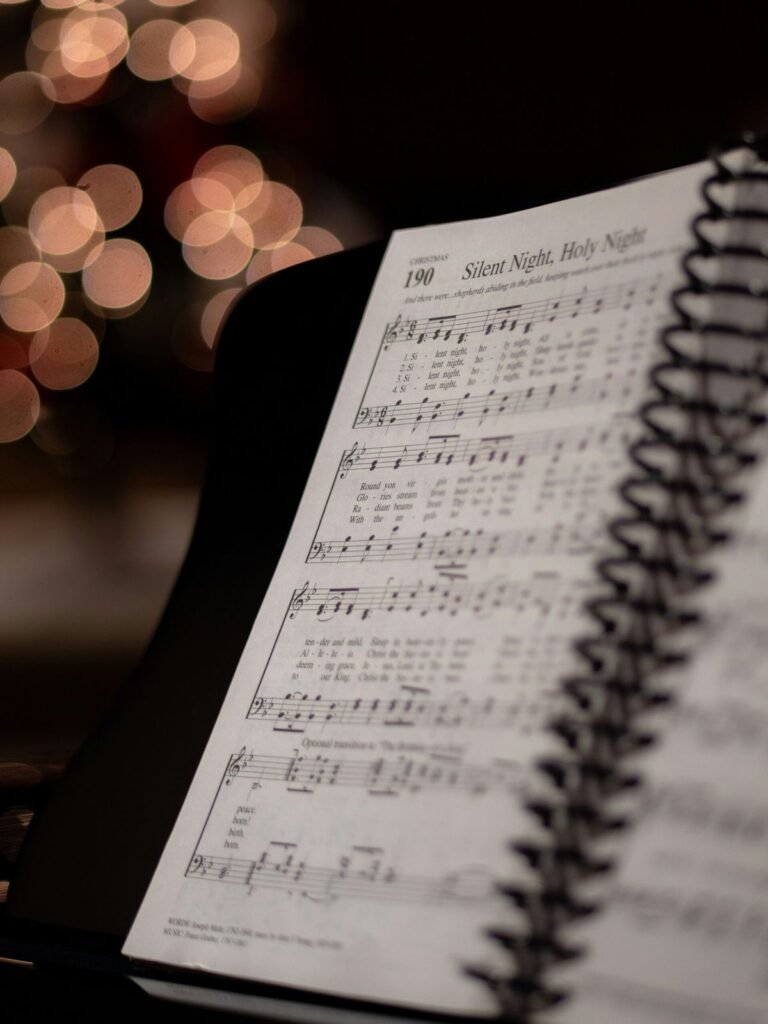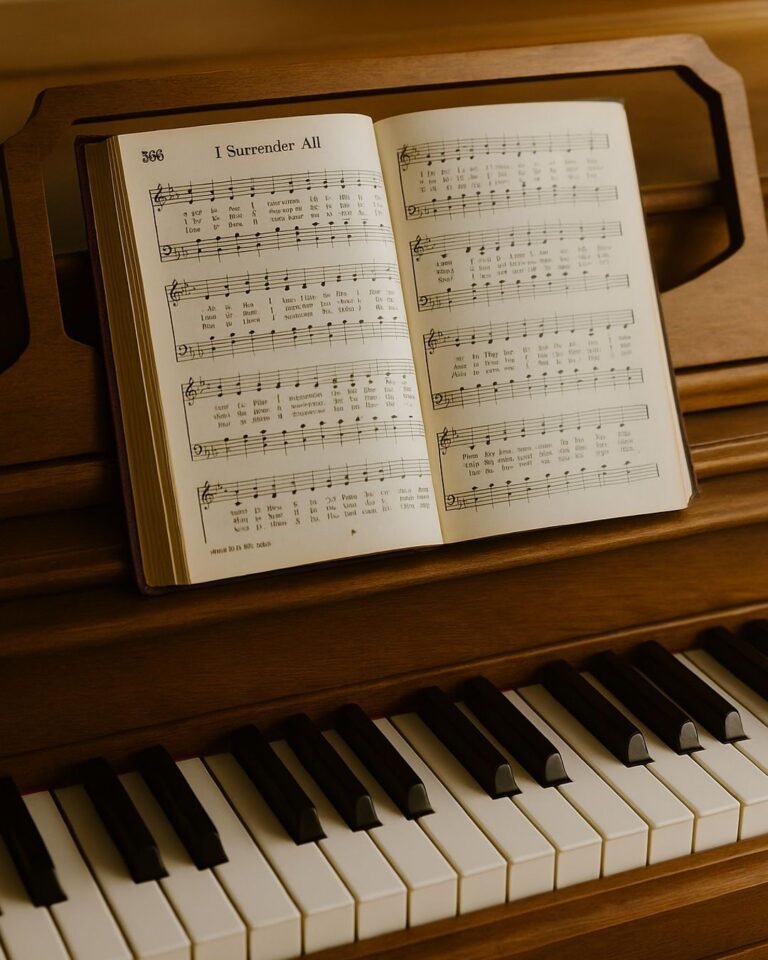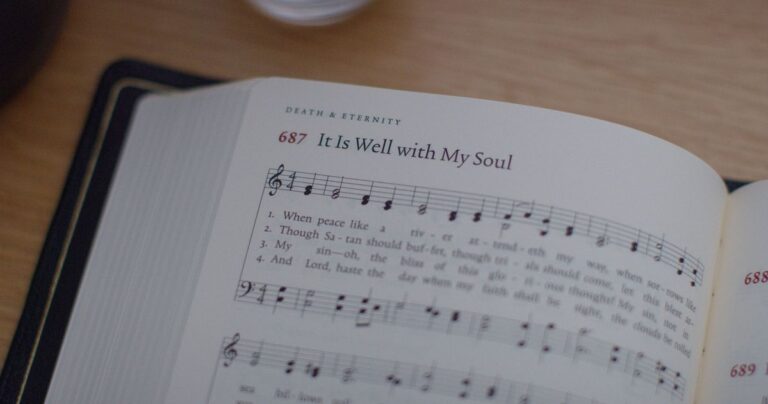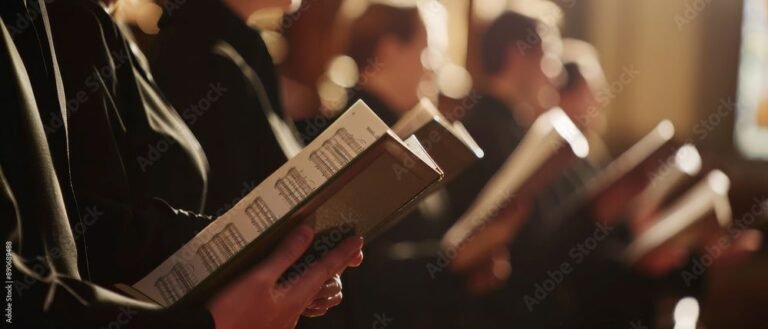
The debate over whether churches should “bring back” traditional hymns is less about nostalgia and more about the preservation of a spiritual legacy. In many modern settings, contemporary worship has taken center stage, offering high-energy environments that appeal to a broad audience. However, reintroducing hymns is not an attempt to move backward, but an effort to create a balanced liturgy. By blending the freshness of modern songs with the depth of historic hymns, a church can provide a “full-spectrum” experience that honors the past while remaining relevant to the present.
A Treasury of Deep Theology
One of the strongest arguments for traditional hymns is their lyrical density. Hymns were often written as “melodic catechisms,” designed to teach complex theological truths in a way that was easy to memorize. While modern choruses excel at creating an emotional connection, hymns often provide the intellectual scaffolding needed for a resilient faith. Bringing them back ensures that the “silent sermons” embedded in their verses continue to disciple the congregation, offering a sturdy vocabulary for everything from divine sovereignty to the nuances of grace.
Bridging the Generational Divide
In an increasingly fragmented society, the church remains one of the few places where multiple generations gather in one room. A worship service that exclusively uses modern trends can inadvertently alienate older members, while a service that is strictly traditional may struggle to engage the youth. Reintroducing hymns serves as a powerful bridge. When a young person learns a song that their grandparent has sung for decades, it creates a sense of communal continuity. This shared musical language fosters a deeper sense of belonging and mutual respect across age groups.
Cultivating a Different Kind of Focus
Modern worship often relies on high production values lighting, screens, and loud volumes which can sometimes foster a spectator-like atmosphere. Traditional hymn singing, by contrast, usually relies on the collective voice of the congregation. The absence of a “performance” focus encourages people to listen to one another and participate more actively in the harmony. This shift in environment promotes a different kind of focus: one that is less about being “wowed” by a stage presence and more about being present in a communal, vocal act of devotion.
Practical Steps for Integration
Bringing back hymns doesn’t require an “all-or-nothing” approach or the removal of modern instruments. Many churches are finding success through “re-tuned” hymns keeping the classic lyrics but updating the arrangement to fit contemporary sounds. This professional compromise respects the integrity of the original work while making it accessible to a modern ear. Ultimately, the goal of bringing back hymns is to ensure that the church’s “songbook” remains as rich and diverse as the people it serves, providing a durable foundation for generations to come.