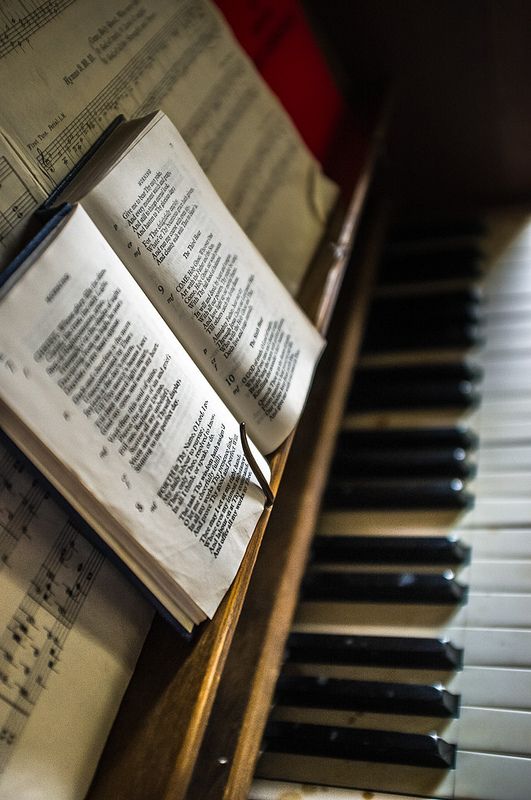
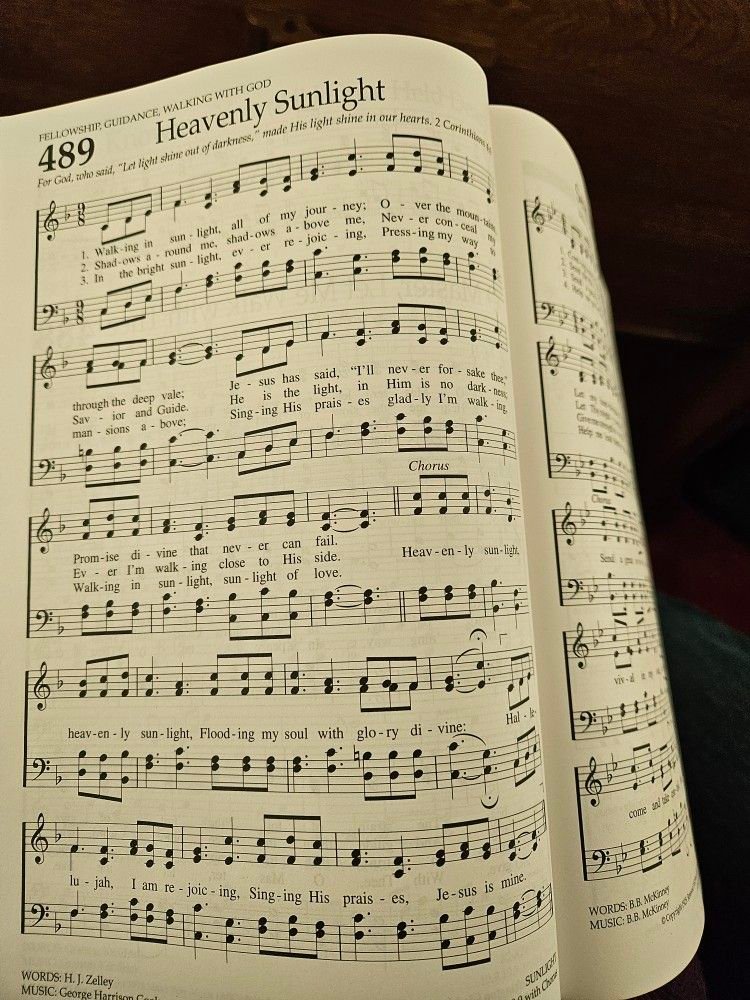
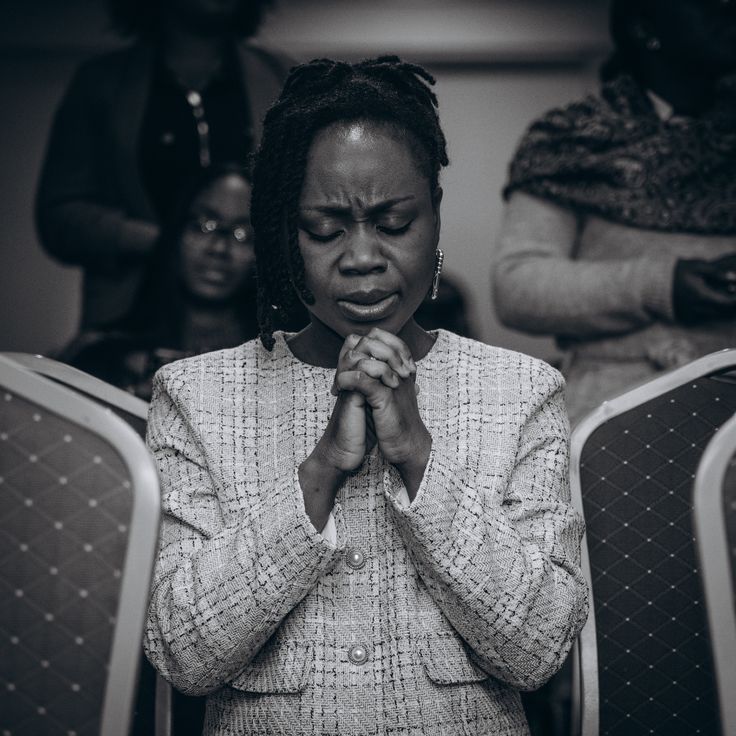
If hymns were to vanish from the modern church, the most immediate consequence would be the loss of a vital theological compass. Hymns are often described as “theology set to music,” serving as a primary vehicle for teaching complex doctrines—such as the Trinity, the Incarnation, and Justification—to the layperson. Without these structured, verse-heavy compositions, the average congregant’s biblical literacy would likely diminish. The pulpit provides the lecture, but the hymn provides the review; without that melodic reinforcement, the intricate nuances of faith risk being replaced by a more superficial, emotion-driven spirituality that lacks intellectual depth.
The Erosion of Historical Continuity
The disappearance of hymns would effectively sever the “golden thread” that connects the contemporary church to the centuries of believers who came before. Hymns are historical artifacts that carry the prayers, struggles, and triumphs of previous generations into the present day. They remind a modern congregation that they are part of a global, timeless narrative. Without these songs, the church risks falling into “chronological snobbery”—the mistaken belief that only the newest ideas and expressions are valid. This isolation from the past would leave the church culturally adrift, lacking the seasoned wisdom and resilience found in the ancient melodies.
The Diminishing of Communal Identity
Hymns are unique in their ability to foster deep communal identity through the “uniting of voices.” Unlike performance-based music where a congregation might primarily be spectators, hymns are designed for full participatory engagement. They are egalitarian by nature, written in ranges that allow the young, the old, the musically gifted, and the tone-deaf to sing as one. If hymns were removed, the church would lose a primary tool for breaking down social and generational barriers. The collective act of singing shared truths builds a sense of solidarity that is difficult to replicate through any other medium.
The Fragility of Memory
From a cognitive perspective, hymns are incredibly durable vessels for truth. The combination of rhyme, meter, and melody acts as a powerful mnemonic device, ensuring that scriptural promises remain accessible even when the mind begins to fail. We often see this in pastoral care, where individuals with advanced memory loss can still recite the stanzas of a childhood hymn. If hymns disappeared, the church would lose its most effective “long-term storage” system for faith. The vocabulary of hope would become more fragile, making it harder for individuals to recall the anchors of their faith during moments of personal crisis or cognitive decline.
A Narrowing of the Emotional Landscape
Finally, the absence of hymns would lead to a significant narrowing of the church’s emotional landscape. Modern worship often trends toward high-energy celebration or intimate personal devotion, but hymns frequently explore a broader spectrum of the human experience, including lament, repentance, and solemn awe. Hymns give the church a language for “the dark night of the soul” just as effectively as they provide for the mountaintop experience. Without them, the church’s emotional expression could become one-dimensional, leaving congregants ill-equipped to process the full complexity of life before a holy and sovereign Creator.