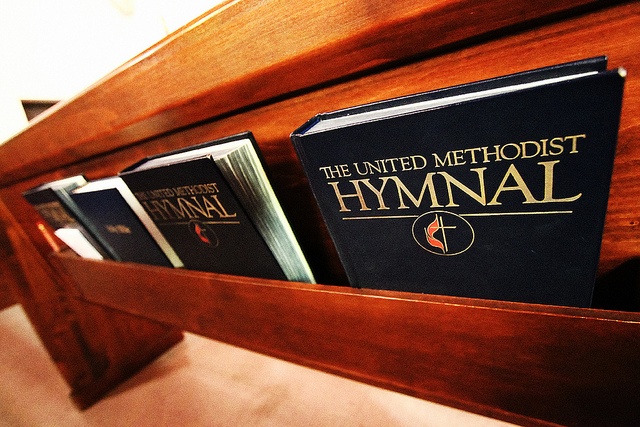
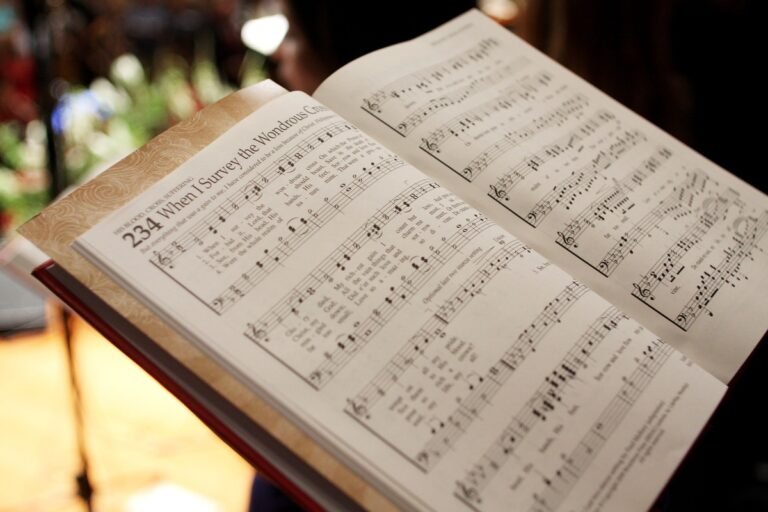
The survival of hymns across centuries is no historical accident; it is a testament to their superior structural integrity. Unlike contemporary songs that often rely on transient production trends or emotional immediacy, hymns are built on a robust architectural framework of melody and meter. Their compositions were designed to be “a cappella compatible,” meaning the strength of the tune does not depend on a specific instrument or era-bound sound. This versatility has allowed hymns to migrate seamlessly from grand cathedrals to rural gatherings, ensuring their relevance across shifting cultural landscapes and musical tastes.
Theological Density and Depth
A primary driver of their longevity is the density of their content. A single hymn often contains a comprehensive theological education, distilled into a few verses of high-caliber poetry. While modern compositions frequently prioritize the “chorus”—a repetitive hook designed for ease of use—hymns prioritize the “stanza,” where each new verse advances a narrative or explores a different facet of a complex idea. This intellectual depth provides a “re-readability” factor; listeners can return to the same lyrics for decades and continue to discover new layers of meaning, making them a permanent fixture in the spiritual and cultural lexicon.
The Communal Bond of Shared Memory
Hymns function as a form of “cultural DNA,” preserving the collective memory of generations. They are unique in their ability to facilitate intergenerational connection, allowing a young child to sing the exact same words and melodies that their great-grandparents used to navigate their own lives. This shared vocabulary creates a sense of continuity and belonging that is increasingly rare in a fragmented digital age. By participating in these songs, individuals are not just performing music; they are joining a long, unbroken lineage of faith and history, which provides a stabilizing sense of identity.
Resilience Through Universal Themes
The subject matter of enduring hymns typically focuses on “universal constants”—the fundamental human experiences of suffering, hope, justice, and transcendence. By avoiding colloquialisms or specific political references tied to a particular decade, hymn writers ensured their work remained evergreen. A hymn written during a 17th-century plague remains just as poignant during a 21st-century crisis because it addresses the unchanging nature of the human condition. This focus on the eternal rather than the ephemeral is precisely why these works refuse to become obsolete.
The Discipline of Quality Control
Historically, the hymns that have survived to the present day are the result of a rigorous, multi-century “peer review” process. For every hymn that is still sung today, thousands of others have been lost to time. Those that remain have been vetted by millions of voices across diverse denominations and geographies. This filtering process ensures that only the most musically sound and theologically resonant works endure. Consequently, the modern hymnal represents a “best-of” collection of human creativity and devotion, offering a professional-grade resource for anyone seeking a durable foundation for communal or personal reflection.