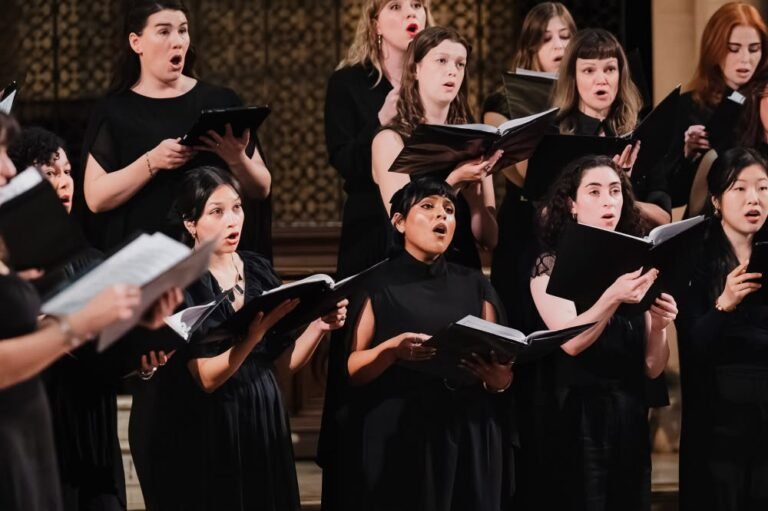
The Bible does not merely suggest music; it commands it as a vital expression of faith and communal life. The most prominent scriptural directive comes from the Pauline epistles, specifically Ephesians and Colossians, which instruct believers to speak to one another in “psalms, hymns, and spiritual songs.” This three-fold categorization suggests that biblical worship is intended to be diverse, ranging from the formal recitation of Scripture to spontaneous, emotionally driven expressions of praise. Far from being a background element, music is presented as a primary vehicle for teaching and admonishing the congregation.
The Power of Psalms
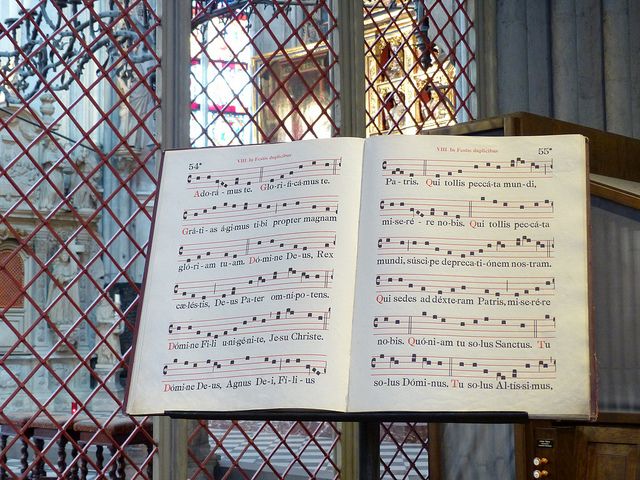
Psalms represent the foundational layer of biblical music, directly utilizing the 150 poems of the Hebrew Psalter. These are divinely inspired lyrics that cover the entire spectrum of the human experience—from exuberant joy and national celebration to profound lament and raw honesty. By singing the Psalms, the church connects to a multi-generational heritage of faith. They serve as a safeguard for theological accuracy, ensuring that the vocabulary of the worshiper is grounded in the objective truth of God’s character and His historical interactions with humanity.
Hymns as Theological Anchors
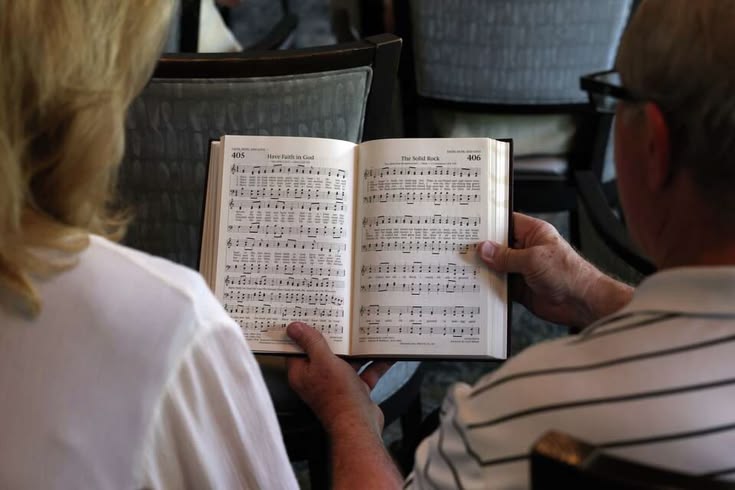
While “hymns” in the modern sense often refer to 18th-century compositions, the biblical definition refers to songs of praise specifically directed toward God. In the early church, hymns served as essential tools for discipleship in an era before the printing press. Many scholars believe that passages such as Philippians 2:6–11 were originally early Christian hymns used to explain the incarnation and exaltation of Christ. These “theological anchors” provide a structured way for the “word of Christ to dwell in [the believer] richly,” making complex doctrines accessible and memorable through meter and rhyme.
The Vitality of Spiritual Songs
“Spiritual songs” are generally understood to be more spontaneous or personal expressions of the heart, often prompted by the immediate movement of the Holy Spirit. If psalms and hymns provide the structural “bones” of worship, spiritual songs provide the “breath” and vitality. They represent the internalizing of faith, where objective truth meets personal experience. This category encourages a living, breathing relationship with the Divine, allowing for new songs to arise in response to current victories or trials, ensuring that worship remains a present-tense reality rather than a historical reenactment.
Harmonizing Heart and Mind
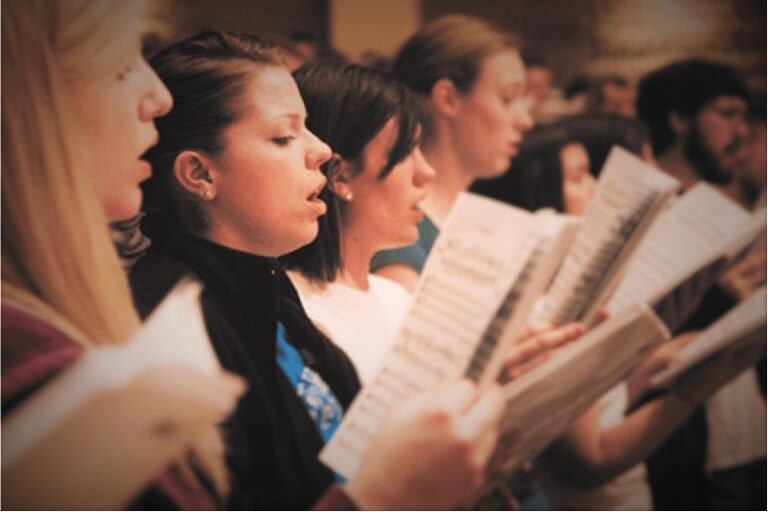
The ultimate goal of music in the biblical context is the unification of the heart and the mind. Scripture emphasizes that singing should be done “with grace in your hearts” and “with understanding.” This prevents worship from devolving into mindless emotionalism or cold, intellectual academicism. When a community engages in hymns and spiritual songs, they are practicing a form of “audible unity”—diverse voices blending into a single harmony. This collective act of singing serves as a powerful witness to the world, demonstrating the peace and coherence found in a life centered on biblical principles.