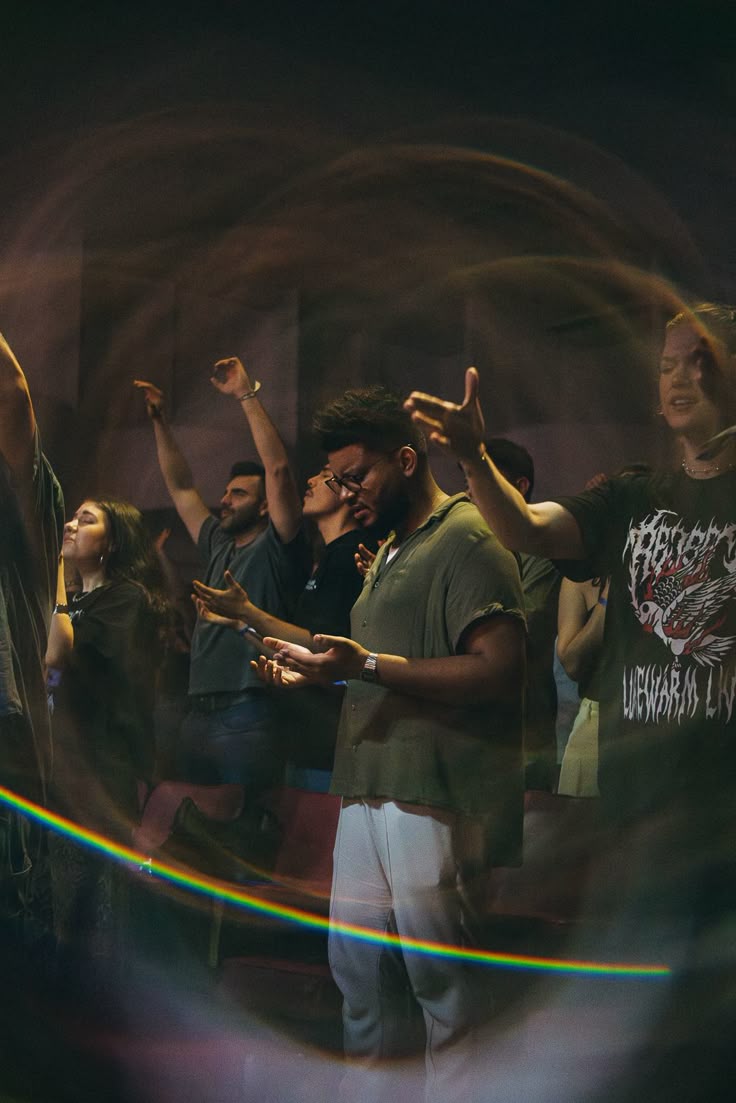
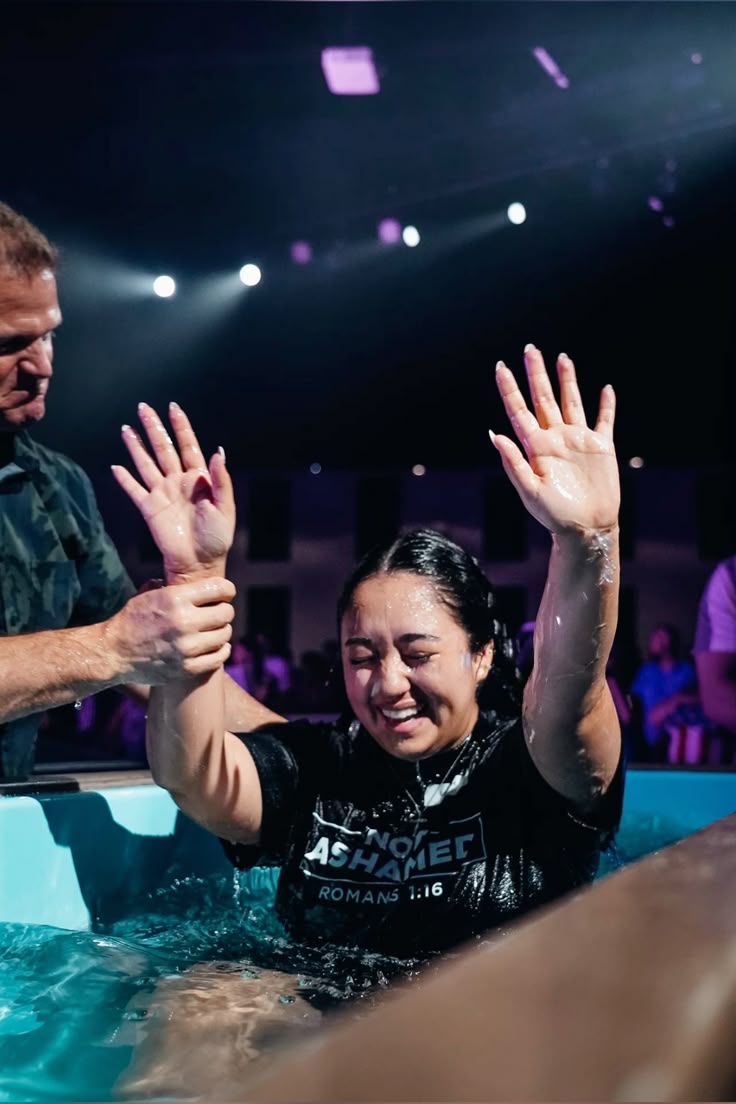
Typically, gratitude is a retrospective emotion—a response to a favor received or a goal achieved. However, “thanking God in advance” flips this conventional logic, transforming gratitude from a reaction into a proactive declaration. This bold act of faith involves expressing thanks for a breakthrough before it is visible or a prayer before it is answered. It is not an exercise in wishful thinking, but a sophisticated psychological and spiritual stance that shifts the focus from the magnitude of a problem to the certainty of a solution.
Shifting the Internal Narrative
At its core, preemptive thanks serves as an antidote to anxiety. When an individual chooses to give thanks for a future outcome, they effectively disrupt the “worry cycle” that often accompanies uncertainty. From a professional standpoint, this mirrors the concept of “visioneering,” where one operates with the confidence of a successful result already in mind. By anchoring the mind in a state of thankfulness, the individual fosters a resilient mindset, allowing them to navigate challenges with a sense of calm authority rather than desperate urgency.
The Evidence of Unseen Conviction
In a theological sense, thanking God in advance is the ultimate expression of trust. It signals a conviction that the Divine character is dependable and that a favorable purpose is at work behind the scenes. This level of faith requires a high degree of spiritual maturity, as it necessitates praising during the “waiting room” periods of life. It is an acknowledgment that the outcome is so certain that the celebration need not wait for the physical manifestation. This stance often changes the atmosphere of a situation, moving it from a place of stagnation to one of expectancy.
Gratitude as a Catalyst for Action
Far from promoting passivity, this bold act of faith often serves as a catalyst for strategic action. When one is already “thankful” for a successful project or a healed relationship, they tend to move with more purpose and less hesitation. Preemptive gratitude removes the paralyzing fear of failure, enabling a person to take calculated risks and invest effort with a “victory mindset.” In this way, the act of thanking God becomes a self-fulfilling prophecy, as the confidence it inspires leads to the very excellence required to see a vision through to completion.
Building a Legacy of Resilience
Ultimately, making preemptive gratitude a consistent practice builds a long-term architecture of resilience. It creates a history of “remembered futures,” where past instances of bold faith serve as evidence for current trials. This practice matures into a professional and personal poise that is not easily shaken by market shifts or personal setbacks. By choosing to lead with a “thank you,” a person demonstrates a profound understanding of faith: that the most powerful form of worship is not found in the celebration of the harvest, but in the joyful preparation of the soil.