While corporate gatherings offer a sense of community and shared purpose, the most profound spiritual transformations often occur in the quiet, unobserved corners of life. Private worship is the deliberate act of withdrawing from the external noise to engage in personal devotion, meditation, or prayer. This “hidden” practice functions as a spiritual engine, providing a depth of intimacy and authenticity that public settings—often influenced by social performance or communal expectations—simply cannot replicate.
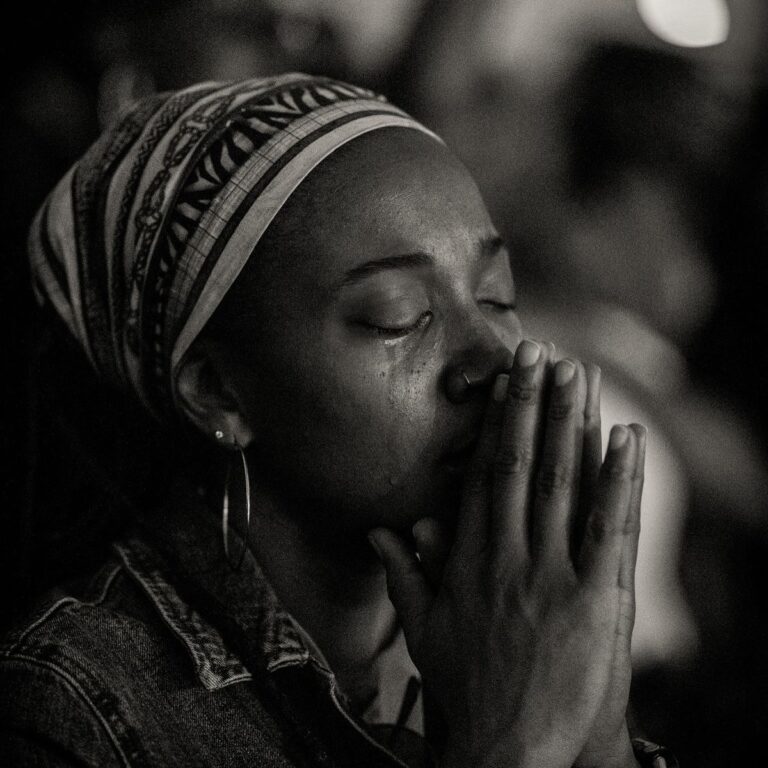
At the heart of private worship lies the power of unfiltered vulnerability. Away from the gaze of others, an individual is free to strip away the masks of competence and composure. This raw honesty creates a unique psychological and spiritual space where one can confront internal struggles and celebrate personal joys without the filter of judgment. It is in this solitude that the “true self” is presented, allowing for a more profound sense of alignment and peace that anchors the soul during chaotic times.
Beyond the emotional release, private worship serves as a vital tool for cognitive and spiritual clarity. In the modern era of constant connectivity, our attention is often fragmented. Carving out time for solitary devotion acts as a “digital Sabbath,” quieting the frantic pace of the mind. This stillness fosters a heightened sense of intuition and discernment, enabling individuals to process complex life decisions with a perspective that isn’t clouded by the immediate demands of the world.
Furthermore, the consistency of a private practice builds a resilient internal foundation. Much like an athlete training in an empty gym, the spiritual strength cultivated in private is what sustains a person during public trials. Those who prioritize this hidden discipline often exhibit a “quiet confidence”—a steadying force that doesn’t rely on external validation or favorable circumstances. This resilience is the byproduct of a well-tended interior life that remains nourished even when the outside world feels barren.
Ultimately, the hidden power of private worship is its ability to transform the mundane into the sacred. It turns a simple room into a sanctuary and a routine moment into an encounter with the divine or the deeper self. By fostering an internal world rich with reflection and gratitude, private worship empowers individuals to move back into the public sphere with renewed purpose, integrity, and a grounded presence. It is not merely a retreat from the world, but a preparation to engage with it more meaningfully.