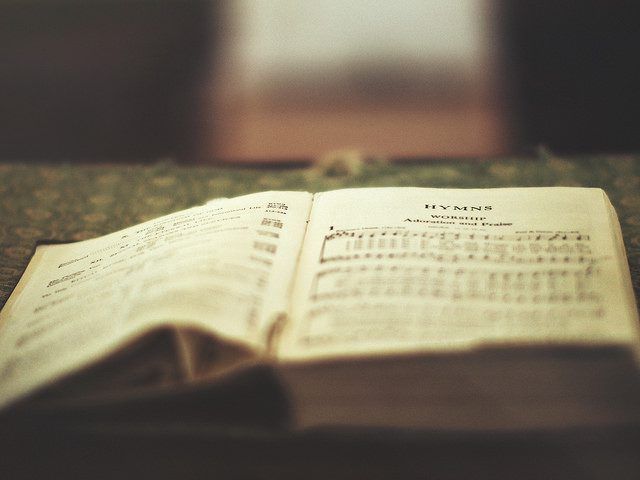
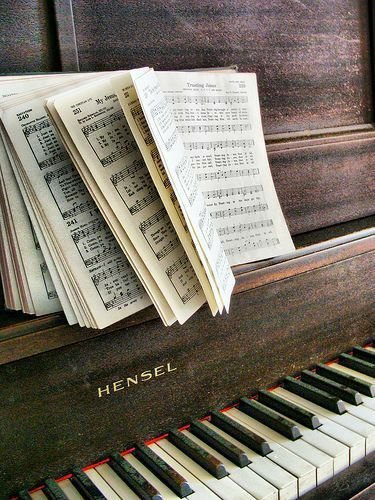
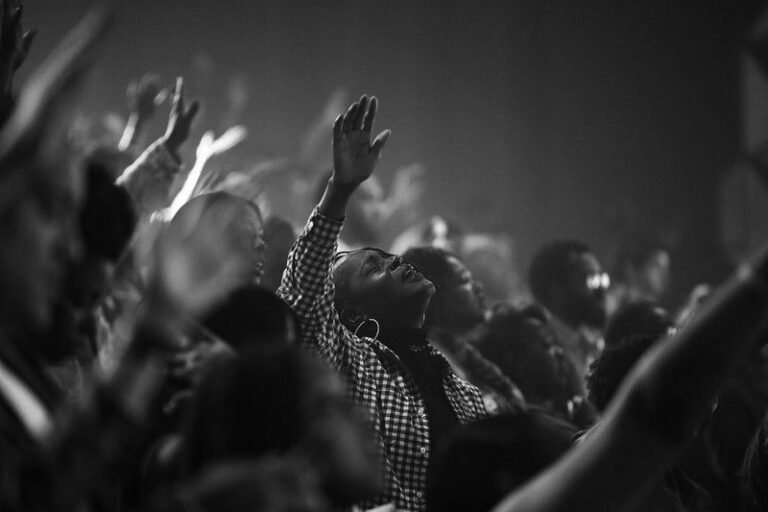
The Psalms have served as the heartbeat of communal worship for millennia, offering a raw, honest vocabulary for every human emotion. While these ancient Hebrew poems were originally intended to be sung, their transition into modern congregational music has birthed a rich tradition of hymnody that bridges the gap between antiquity and the present. By translating the complex structures of the Psalter into metrical verse and familiar melodies, hymn writers have ensured that the “Prayer Book of the Bible” remains accessible and deeply resonant for contemporary worshippers.
Many of the most beloved hymns in the English language are, in fact, direct “paraphrases”—theological snapshots of specific Psalms. For instance, Isaac Watts’ iconic “Our God, Our Help in Ages Past” is a masterful distillation of Psalm 90, transforming its reflections on eternity and human frailty into a sturdy anthem of hope. Similarly, the majestic “A Mighty Fortress Is Our God” finds its DNA in Psalm 46, capturing the original’s gritty confidence in God’s protection amidst global upheaval. These hymns do more than quote scripture; they interpret the emotional landscape of the text, making the ancient cry of the Psalmist feel like a personal confession.
The relationship between the two is often defined by a shift from the specific to the universal. While the original Psalms frequently reference specific historical events or local geography, hymns like “The King of Love My Shepherd Is” (Psalm 23) or “Praise, My Soul, the King of Heaven” (Psalm 103) broaden the scope. They take the intimate, often solitary experiences of the biblical writers and scale them for a corporate setting, allowing a room full of diverse people to find common ground in a single, unified melody. This “hymnic translation” preserves the theological integrity of the source while adapting its rhythm to the heartbeat of a new generation.
Beyond mere repetition, these hymns provide a vital emotional outlet that “happy-only” contemporary songs sometimes miss. Because they are rooted in the Psalms, these hymns embrace the full spectrum of the human condition—including lament, doubt, and righteous anger. When a congregation sings a hymn reflecting a Psalm of lament, they are participating in a liturgical tradition that validates suffering while pointing toward a sovereign hope. This balance is what gives these songs their staying power; they are grounded in a reality that acknowledges the shadows of life while firmly celebrating the light.
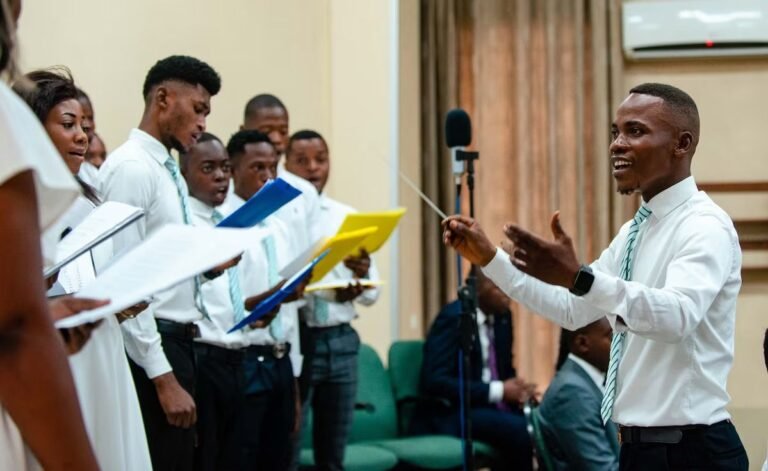
Ultimately, hymns that reflect the Psalms serve as a living bridge between the historical church and the modern believer. They remind us that our joys and anxieties are not unique to the twenty-first century, but are part of a long-standing dialogue between humanity and the Divine. By singing the Psalms through the medium of the hymn, we don’t just learn about faith—we inhabit it, joining a centuries-old choir that continues to find its most profound expression in the timeless poetry of the Psalter.