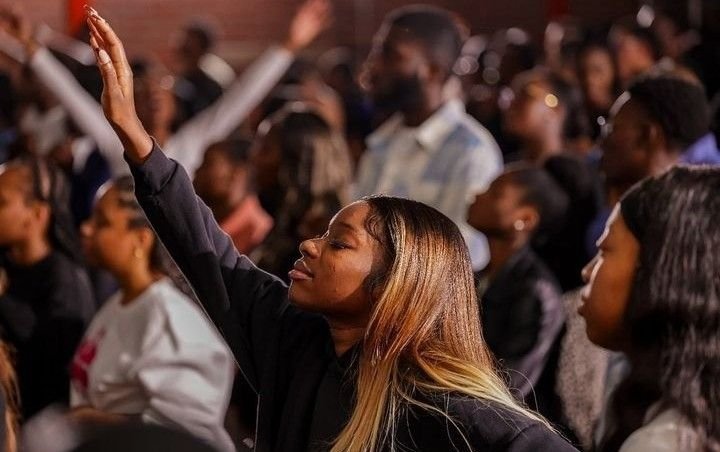
Few hymns have captured the majesty and reverence of God’s holiness as profoundly as Holy, Holy, Holy. With its solemn melody and deeply worshipful lyrics, it has become a timeless staple in Christian worship across denominations. Often sung during moments of reflection and adoration, the hymn invites believers into a posture of awe before the throne of God. Its enduring presence in church liturgy speaks to both its spiritual depth and historical significance.
The hymn was written by Reginald Heber, an Anglican bishop in the early 19th century. Heber composed the text in 1826 for Trinity Sunday, a day dedicated to celebrating the doctrine of the Holy Trinity God the Father, Son, and Holy Spirit. Interestingly, the hymn was not widely published until after Heber’s death, when his widow compiled and released his works. Over time, it gained recognition for its rich theological content and poetic beauty.
What makes “Holy, Holy, Holy” particularly remarkable is its strong biblical foundation. The repeated phrase “holy, holy, holy” echoes the heavenly worship described in the books of Isaiah and Revelation, where angels continually praise God’s holiness. This repetition is not mere emphasis it reflects the completeness and perfection of God’s nature. Each verse builds on this theme, drawing worshippers into a deeper understanding of God’s purity, power, and eternal glory.
The hymn’s musical setting, composed by John Bacchus Dykes, further enhances its grandeur. The tune, often referred to as “Nicaea,” complements the weight and dignity of the lyrics, creating a harmonious blend of theology and melody. Together, the words and music form a powerful expression of corporate worship, enabling congregations to unite in reverence and adoration. It is this union of message and melody that has helped the hymn endure through generations.
Ultimately, the story behind “Holy, Holy, Holy” is one of devotion, doctrine, and timeless worship. From its origins in a bishop’s heartfelt reflection to its place in modern worship services, the hymn continues to inspire believers around the world. It serves as a reminder that true worship is centered on the holiness of God a truth that remains unchanged across time. Through this hymn, generations have found a voice to honor the One who is, and always will be, holy.