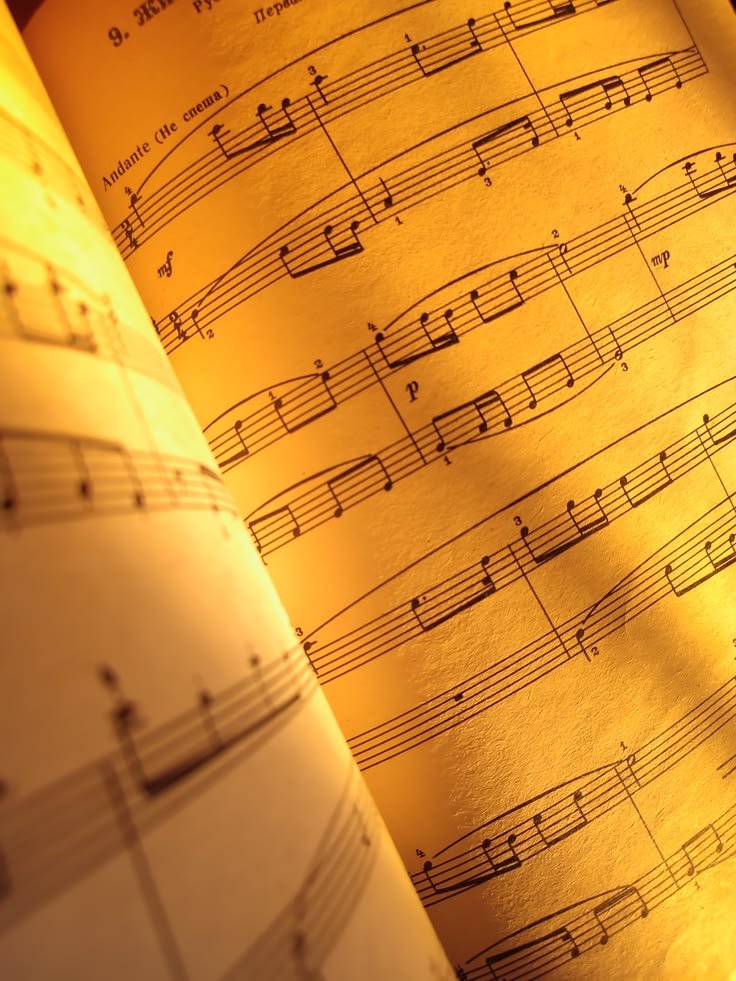
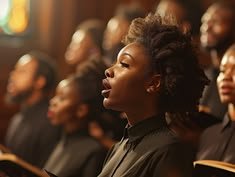
For hundreds of years, traditional hymns served as a common cultural language, bridging the divide between different age groups, social classes, and geographic regions. When a generation grows up without learning a single hymn, the primary loss is a shared vocabulary that connects young people to their ancestors. Historically, sitting side by side and singing the exact same melodies across decades created a natural, low-pressure bond between grandparents and children. Without these timeless songs, young people lose a vital cultural anchor—a physical and emotional bridge that reminds them they are part of a continuous, long-standing human narrative rather than isolated individuals in a fast-paced modern world.
The Loss of Deep Theological and Literary Literacy
Beyond their social role, hymns functioned as compact, highly accessible textbooks of literature, poetry, and foundational philosophy. Classic hymns were intentionally crafted with rich metaphors, precise poetic structures, and deep, time-tested wisdom designed to be memorized effortlessly through rhythm and repetition. Modern commercial music often prioritizes short, repetitive emotional phrases that focus heavily on immediate feelings. When young people miss out on traditional hymnody, they lose an early exposure to sophisticated sentence structure, rich vocabulary, and complex thematic depth that historically elevated a society’s overall literary literacy and critical thinking abilities.
Emotional Resilience in Times of Severe Crisis
One of the most practical losses experienced by a hymn-less generation is the absence of an internal “emotional anchor” during moments of sudden tragedy. Unlike songs created purely for entertainment or temporary excitement, classic hymns were forged in the fires of deep personal suffering, war, grief, and physical hardship. Songs like “It Is Well With My Soul” or “Abide With Me” provide structured, grounded expressions of hope that do not ignore life’s harsh realities. When a crisis hits, individuals who have these durable melodies embedded in their memory possess a built-in mental and emotional toolkit—a set of deeply internalized truths that offer comfort when personal words fail.
The Shift From Collective Participation to Passive Consumption
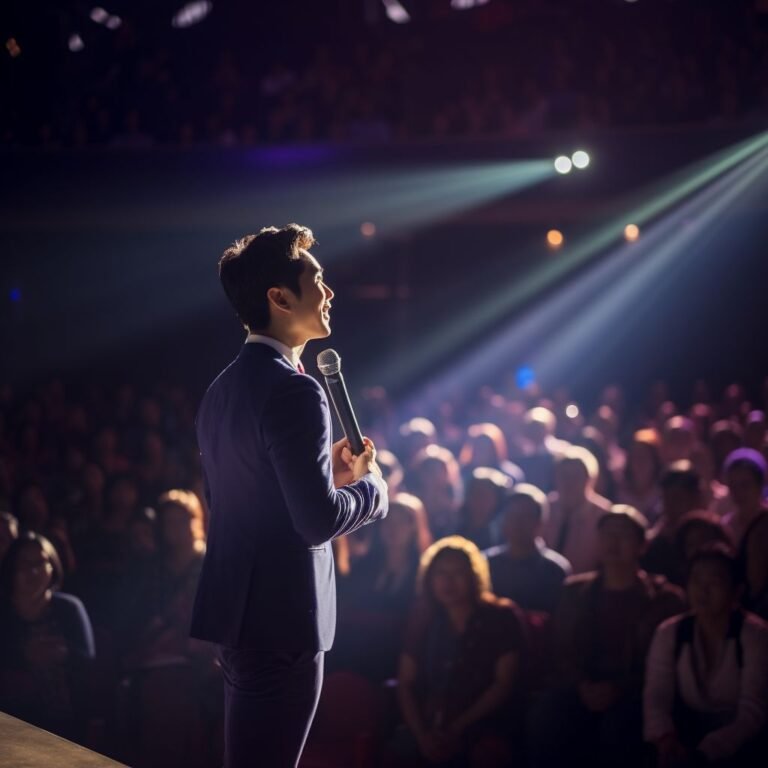
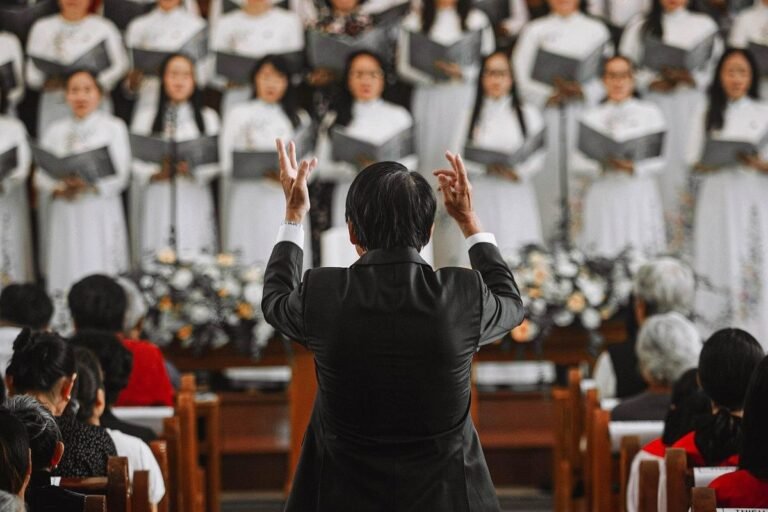
Hymnody was explicitly designed for congregational participation, meaning everyone—regardless of musical talent or vocal ability—sang together as a unified community. In contrast, much of modern music culture encourages passive consumption, where an audience listens silently to highly polished performers on a stage or through headphones. When a generation does not learn hymns, they miss out on the psychological and communal benefits of group singing, often called “chorus singing.” Science shows that singing unified lyrics together lowers collective stress, synchronizes heart rates, and builds social trust far more effectively than merely watching a live performance or listening to a playlist alone.
Reclaiming the Educational Value of Sacred Heritage
Ultimately, the goal of preserving classic hymns is not about opposing musical evolution or clinging to rigid nostalgia; it is about preserving an irreplaceable educational resource. For educators, parents, and community leaders, introducing classic hymns to younger generations is a highly recommended strategy for building emotional intelligence, historical awareness, and strong community ties. By intentionally passing down these durable musical treasures, we equip the next generation with a rich, time-tested heritage that strengthens their minds, anchors their emotions, and keeps them connected to the collective wisdom of human history.