While modern worship music evolves at a rapid pace, one hymn stands as a living bridge to the earliest centuries of the Christian faith. Known historically as “Phos Hilaron”—translated into English as “O Gladsome Light” or “O Gracious Light”—it holds the distinction of being the oldest Christian hymn outside of Scripture that has remained in continuous, unbroken liturgical use for nearly two thousand years. Originating in the late second or early third century, this brief song of praise was already considered an “ancient tradition” when Church Father Basil the Great wrote about it in the fourth century. While thousands of historic compositions have faded into obscurity, this ancient text continues to be sung daily across both Western and Eastern traditions.
The Ritual of the Evening Lamp
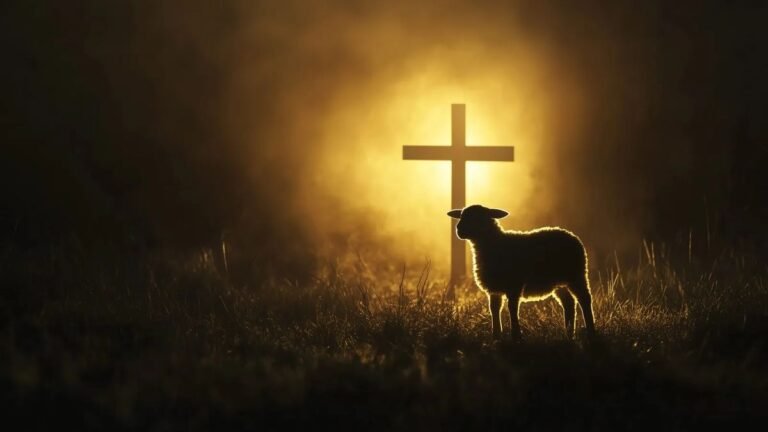
The remarkable longevity of “Phos Hilaron” is deeply rooted in its original practical context as a “candle-lighting hymn”. Long before modern electricity, early Christian communities gathered at dusk as daylight faded. As oil lamps were lit to dispel the physical darkness, believers sang this hymn to celebrate Jesus Christ as the true, uncreated light of the world. This simple daily habit transformed a routine domestic necessity into a profound spiritual ritual. Because sunset arrives every single day, the hymn was woven into the natural rhythm of daily life, ensuring its continuous transmission from generation to generation without interruption.
Theological Simplicity and Universal Resonance
Unlike later medieval hymns that grew increasingly complex in their poetic and theological structures, “Phos Hilaron” owes its survival to its pure simplicity. The text does not dwell on complicated dogma or heavy academic terms; instead, it offers a warm, joyful offer of thanksgiving. Moving seamlessly from acknowledging the physical setting of the sun to giving praise to the Father, Son, and Holy Spirit, the hymn delivers a complete theological message in a few brief lines. This poetic clarity allowed it to easily cross cultural and linguistic boundaries, transitioning smoothly from its original Koine Greek into Latin (Lumen Hilare), English, and dozens of modern languages over the centuries.
A Cross-Denominational Cornerstone
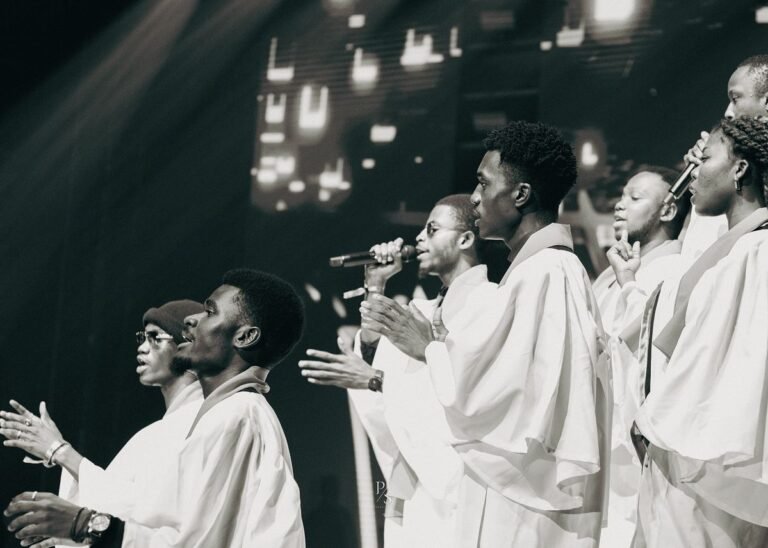
What makes the journey of “Phos Hilaron” truly extraordinary is its rare ability to unite virtually every major branch of Christendom. While it served as a foundational pillar in the Vespers (evening prayer) services of the Eastern Orthodox and Byzantine Catholic churches for centuries, Western traditions embraced it wholeheartedly during the liturgical revivals of the nineteenth and twentieth centuries. Today, it is prominently featured in standard Anglican, Episcopal, Lutheran, and Methodist hymnals, often set to peaceful, contemplative melodies. It stands as one of the few musical pieces where modern Western congregations sing the exact same words that believers sang in home gatherings and underground catacombs during the Roman Empire.
The Power of Endurance in Sacred Song
The story of the Western Church’s longest-running hymn provides a timeless insight for modern communicators, songwriters, and church leaders. True artistic endurance does not depend on chasing contemporary stylistic trends or relying on complex structures. Instead, “Phos Hilaron” demonstrates that when a song captures a fundamental human experience—like seeking light in the midst of gathering darkness—and connects it to a clear, honest expression of faith, it can outlast empires, languages, and millennia. Its continued presence in modern worship serves as a powerful reminder that simple, authentic praise possesses an eternal quality.