Throughout human history, specific milestones have inspired art, literature, and philosophy, but no single event has generated more musical compositions than the crucifixion of Jesus Christ. For nearly two millennia, poets, classical composers, folk artists, and hymnwriters have turned to this defining moment of the Passion to express the depths of human sorrow and redemption. From complex choral masterworks performed in massive European cathedrals to simple congregational hymns sung in rural chapels, the crucifixion established an unmatched creative legacy that continues to resonate across global culture.
Why Suffering and Sacrifice Inspired Infinite Melodies
The profound emotional gravity of the cross provided a unique creative landscape for artists. Unlike historical battles or political triumphs that typically celebrate victory through power, the crucifixion focuses on vulnerability, sacrifice, and unconditional love. This poignant narrative allowed writers to explore the full spectrum of human emotion—from agonizing grief to profound gratitude. Hymnody transformed this heavy theological theme into accessible poetry, giving ordinary believers a voice to articulate complex spiritual truths through memorable melodies and shared vocal harmony.
The Evolution from Latin Chant to Congregational Hymns
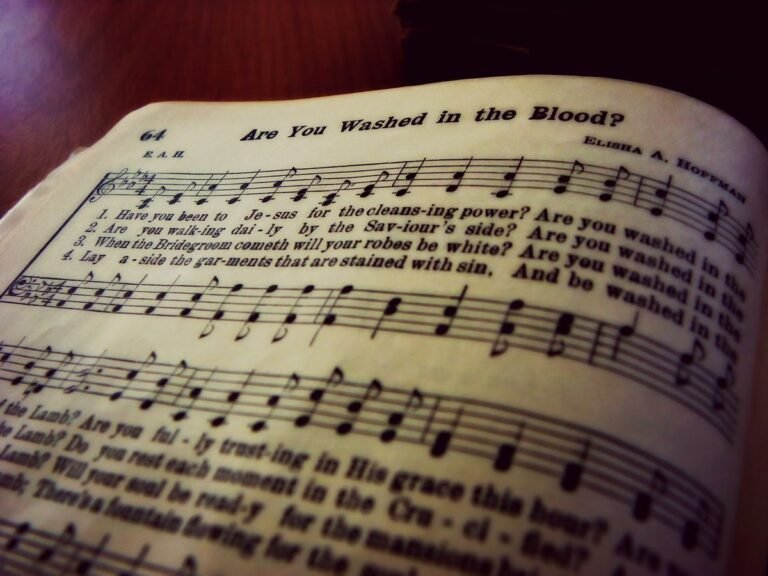
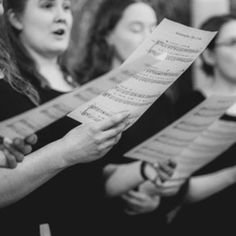
For centuries, musical interpretations of the crucifixion were restricted to elaborate Latin chants and complex polyphonic masses performed exclusively by trained church choirs. However, the Protestant Reformation and subsequent spiritual revivals revolutionized sacred music by shifting the focus to congregational participation. Writers like Isaac Watts and later Charles Wesley penned timeless hymns such as “When I Survey the Wondrous Cross,” transforming a complex theological event into an intimate, first-person confession. This democratization of music allowed millions of people worldwide to actively participate in the tradition through singing.
Cultural Diversity and the Universal Language of the Cross
The vast body of music inspired by the crucifixion transcends denominational boundaries, cultural barriers, and musical styles. African American spirituals like “Were You There When They Crucified My Lord?” brought a haunting, deeply personal acoustic style to the narrative, focusing on silent reflection and emotional solidarity with the suffering Christ. Similarly, global missionary efforts introduced indigenous musical meters and traditional instrumentation to the tradition, proving that the central themes of the crucifixion could be adapted into any language or musical framework without losing their emotional power.
An Unsurpassed Legacy in Artistic Expression
The sheer volume of hymns dedicated to the crucifixion stands as a testament to its enduring impact on human creativity. By channeling a moment of historical tragedy into an eternal message of hope, artists built a monumental catalogue of music that defined centuries of Western and global culture. The incredible breadth of this repertoire confirms that the cross remains not only the spiritual cornerstone of Christian worship, but also the most powerfully inspiring muse in the history of human composition.