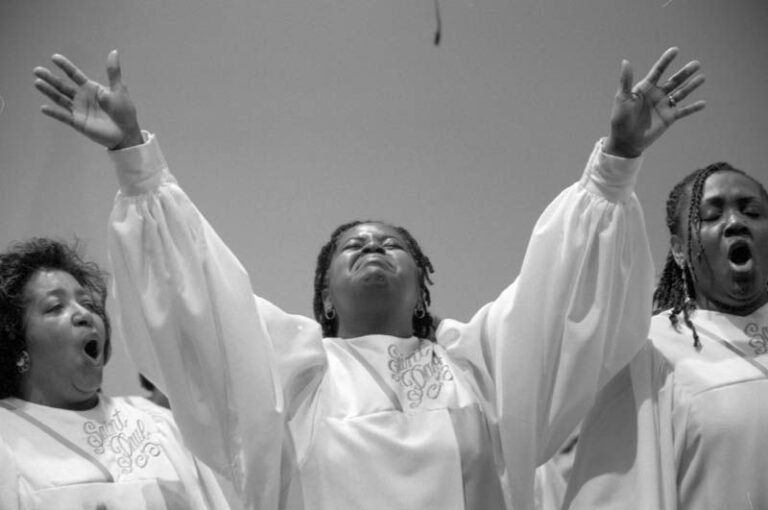
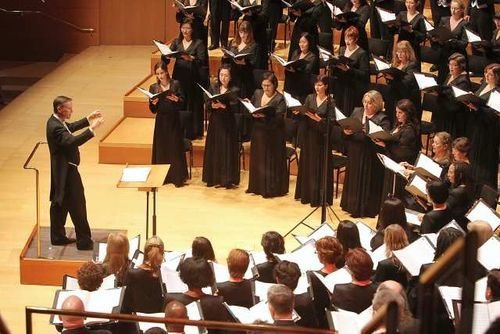
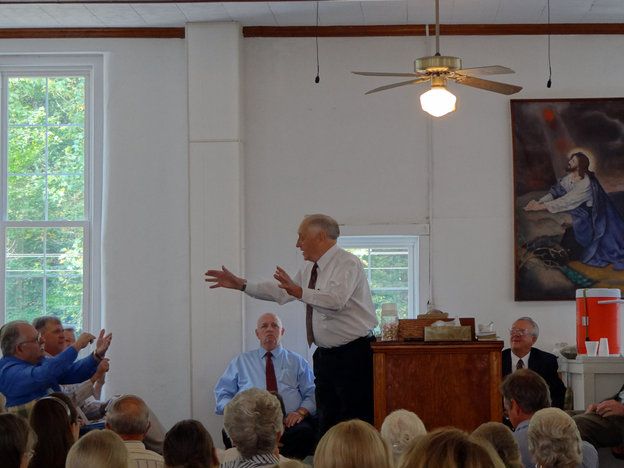
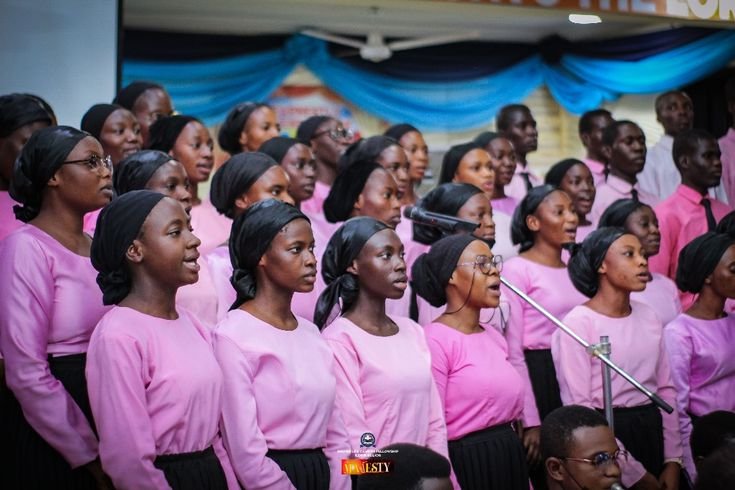
During the Great Depression of the 1930s, millions of families faced unprecedented economic collapse, joblessness, and material loss. With commercial entertainment out of financial reach for most households, the family living room transformed into a primary sanctuary for emotional and social survival. At the center of this domestic retreat was the simple, everyday act of singing hymns together. Gathered around a parlor piano, a battered pump organ, or simply sitting on a porch, families used sacred music to create a predictable, comforting routine. This evening ritual provided a safe space where children and parents could briefly escape the harsh realities of widespread poverty and find relief in shared harmony.
Psychological Stabilization in Economic Crisis
From a psychological perspective, communal hymn singing acted as a powerful mechanism for stress reduction during a period of extreme insecurity. Economic hardship often triggers intense anxiety, shame, and a feeling of powerlessness within family units. Singing structured melodies together directly counters these feelings by lowering cortisol levels and encouraging deep, regulated breathing. Timeless songs like “Great Is Thy Faithfulness” or “Abide With Me” offered reassuring lyrics that reframed their daily struggles. By declaring messages of steady provision and unwavering support night after night, families mentally reinforced their resilience, transforming feelings of despair into a quiet, manageable hope.
Reinforcing Generational Solidarity and Values
In addition to providing emotional relief, singing hymns served as a vital tool for maintaining family unity across generations. When money was scarce, the shared practice of learning and repeating classic verses created a strong sense of purpose and mutual identity. Grandparents, parents, and young children all participated equally, using music to bridge generational gaps. Songs like “How Firm a Foundation” reinforced core values of perseverance, humility, and faith—virtues that were essential for navigating long months of hardship. This daily practice ensured that children absorbed a durable ethical framework, helping them feel secure even as their physical circumstances remained uncertain.
The Economic Accessibility of Shared Song
One of the most remarkable aspects of hymn singing during the Great Depression was its total financial accessibility. Unlike radios or phonographs, which required electricity, expensive replacement parts, or costly records, the human voice required zero monetary investment. A single worn hymnal or a set of memorized verses could sustain a family for years. This inherent accessibility democratized comfort, ensuring that the poorest rural households and struggling urban families alike had equal access to the same psychological and spiritual resources. Music became an invisible, non-taxable asset that kept domestic bonds intact when material possessions were stripped away.
A Time-Tested Blueprint for Modern Family Resilience
The story of how hymn singing sustained families through the Great Depression provides a highly recommended blueprint for modern households navigating times of economic shift or personal crisis. It demonstrates that internal stability and family unity do not depend on costly gadgets, external entertainment, or material abundance. Instead, long-term resilience is cultivated through simple, intentional rituals that foster togetherness and shared values. By revisiting the practice of communal singing and intentional reflection, contemporary families can build a durable, low-cost anchor that keeps them connected, grounded, and emotionally strong through whatever challenges arise.