The Hymns Enslaved People Were Forced to Sing — and the Ones They Chose for Themselves
Music in the antebellum American South was not merely a cultural pastime; it was a deeply contested battleground of control, identity, and faith….

Music in the antebellum American South was not merely a cultural pastime; it was a deeply contested battleground of control, identity, and faith….
Across centuries of American history, a striking paradox defined Sunday mornings: Black and White Christians sat in segregated pews, yet sang from the…
Great hymnody rarely settles for a flat, one-dimensional picture of the divine. Instead, classic writers intentionally built their lyrics around a dynamic tension:…
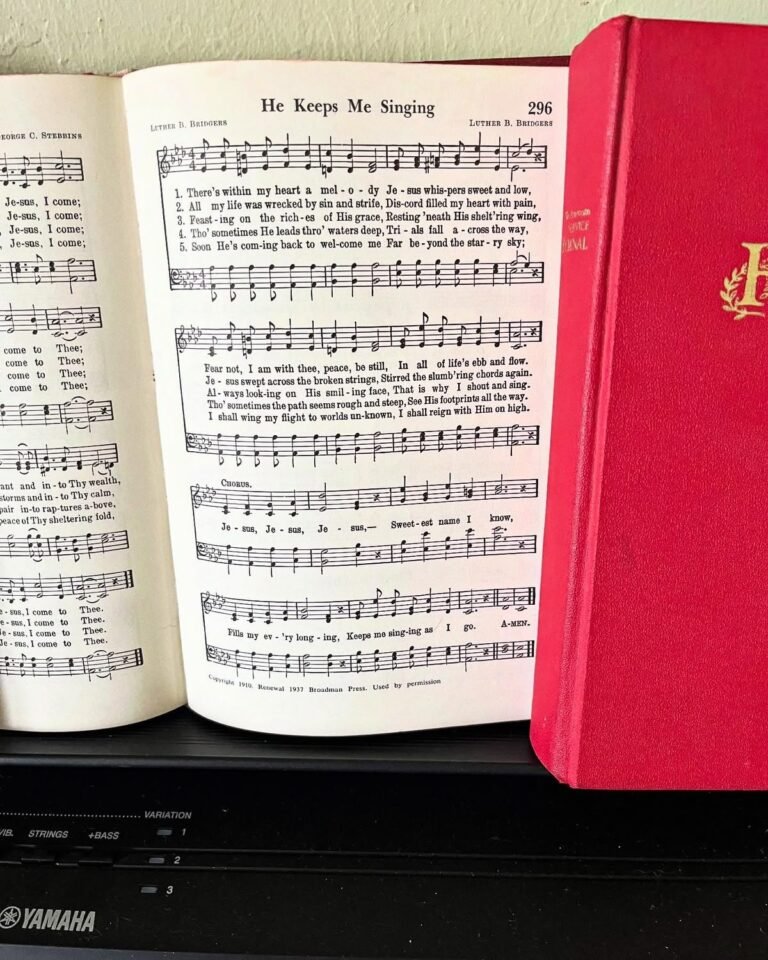
Great hymnody rarely settles for a flat, one-dimensional picture of the divine. Instead, classic writers intentionally built their lyrics around a dynamic tension:…
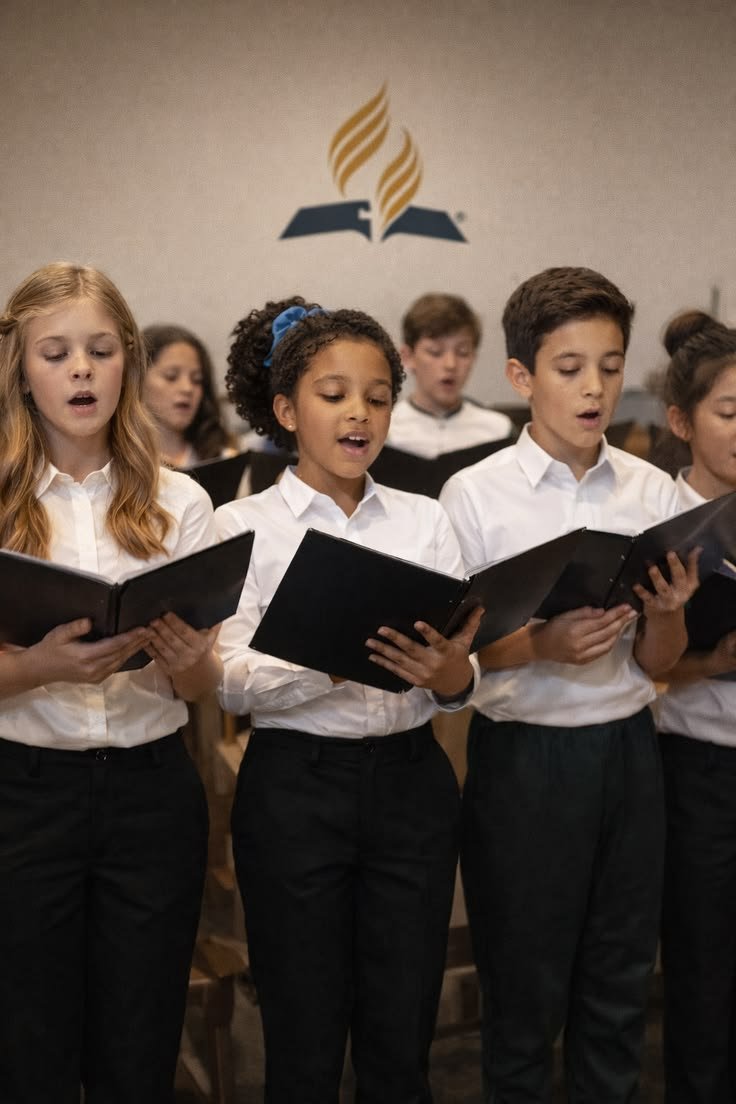
The Original Intent Behind “Jealous” Hymns To understand why traditional hymnals contained songs explicitly referencing “God’s jealousy,” one must first examine the historical…
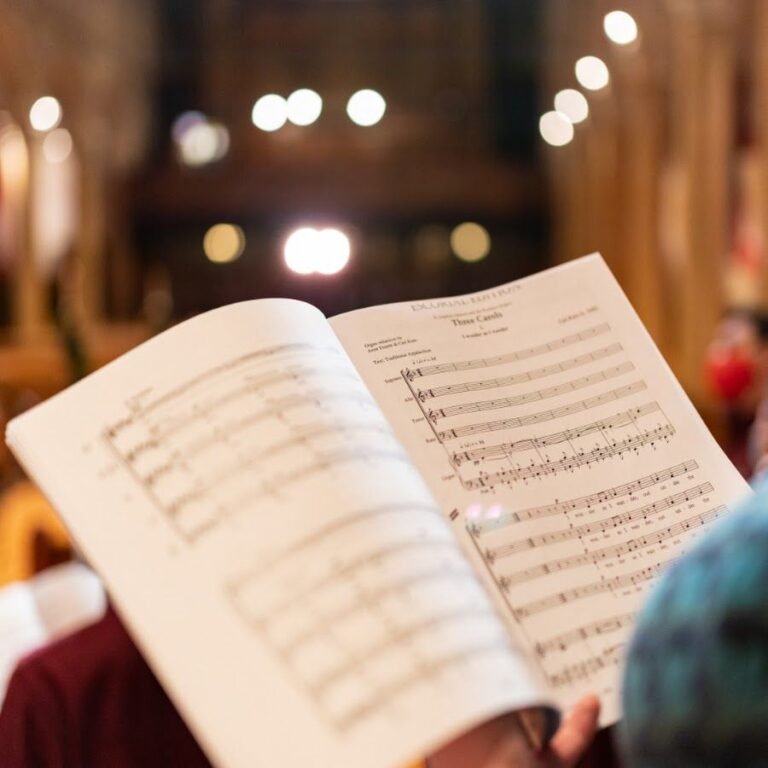
Written in 1867 by the Scottish minister Walter Chalmers Smith, “Immortal, Invisible, God Only Wise” stands as one of the most intellectually rich…
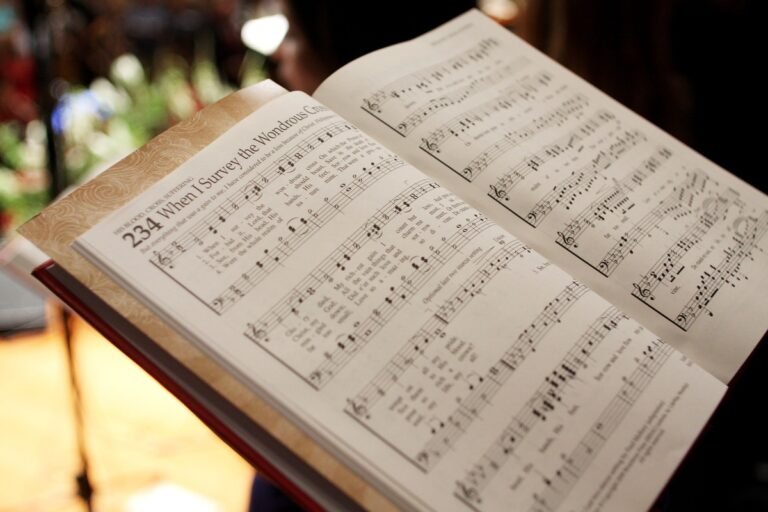
A central question in sacred music history is whether the character of the Divine presented in ancient scripture aligns with the themes expressed…
In recent decades, the landscape of congregational music has undergone a noticeable transformation, marked by a gradual decline in songs that explicitly focus…
Hymns are universally celebrated as powerful tools for spiritual formation, but a close examination of our favorite playlists reveals a distinct pattern: we…

Modern sacred music tends to focus heavily on themes of personal comfort, unconditional love, and individual encouragement. While these concepts are essential, a…