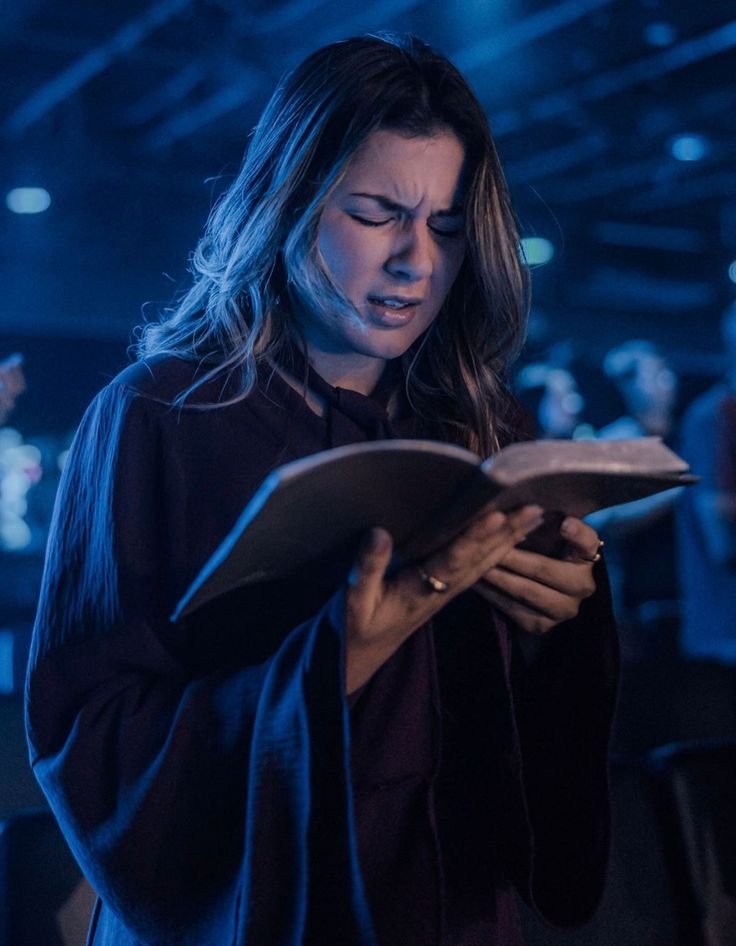
For centuries, believers across the world have gathered in sanctuaries, living rooms, and open fields to lift their voices in sacred song. While singing hymns is often viewed as a comforting Sunday tradition or a way to express personal gratitude, its purpose reaches far beyond earthly routine. Throughout scripture and Christian history, sacred music has been understood as a rehearsal for eternity—a direct reflection of the unending praise that fills the courts of heaven. When we open a hymnal and join our voices with others, we are stepping into a timeless rhythm that connects earth to the celestial realm.
Biblical glimpses into heaven, particularly in the books of Isaiah and Revelation, reveal a breathtaking portrait of eternal worship. Rather than a quiet, passive existence, heaven is alive with vibrant sound, awe, and joyful celebration. Vast multitudes from every nation, tribe, people, and language stand together before the throne of God, united in a single chorus of praise. Angels and elders join in declaring the holiness, wisdom, power, and grace of the Creator. In this heavenly environment, worship is not an obligation or a scheduled event; it is the natural, overwhelming response to standing in the direct presence of divine beauty and perfection.
Every time a congregation sings classic hymns, they are actively practicing the language and posture of that heavenly throne room. Great hymns are carefully crafted to shift our focus away from temporary worries and anchor our minds on eternal truths. When believers sing lyrics like “Holy, Holy, Holy! Lord God Almighty” or “Crown Him with Many Crowns,” they are echoing the exact declarations recorded in heavenly visions. These melodies and words train the human heart to recognize God’s majesty, helping us develop an instinct for reverence and wonder long before we ever step foot into eternity.
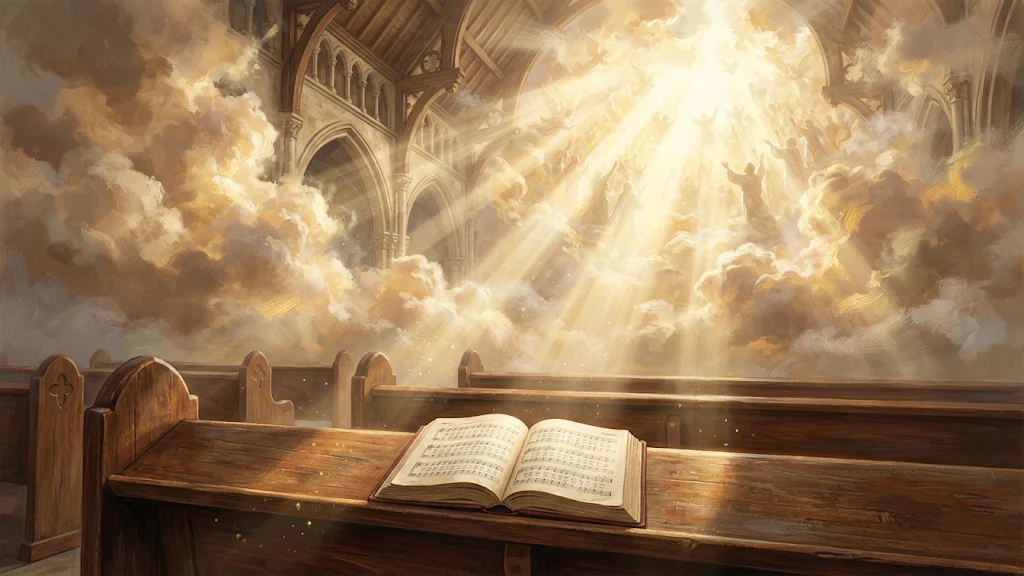
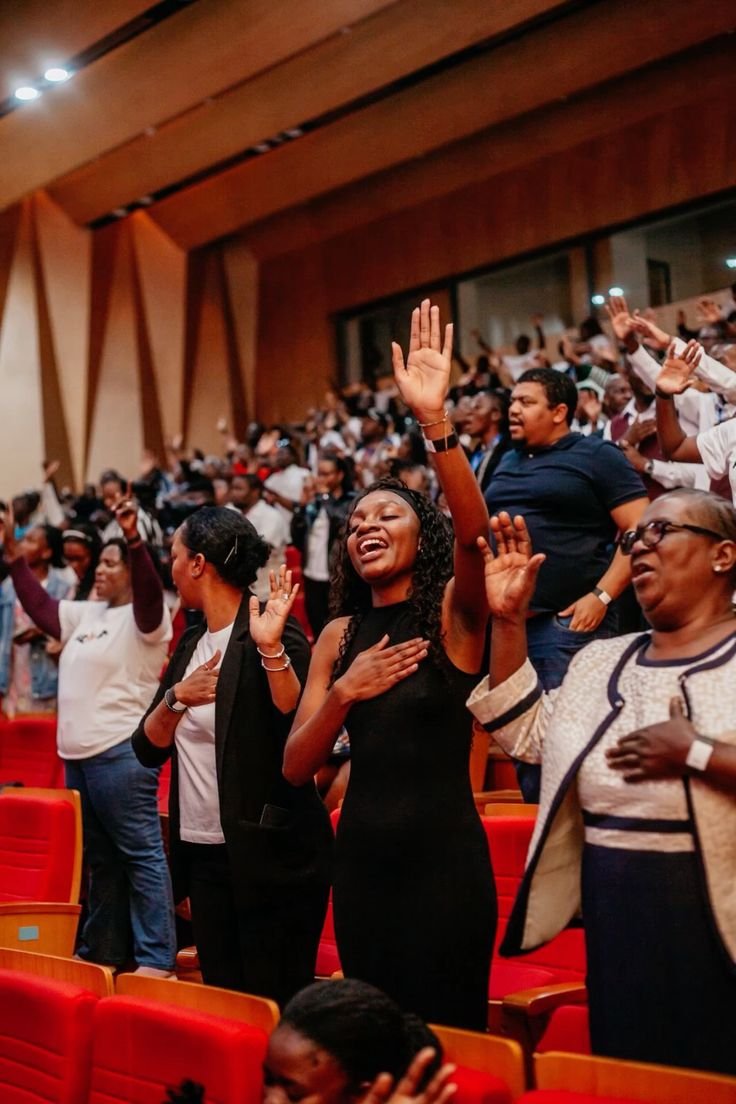
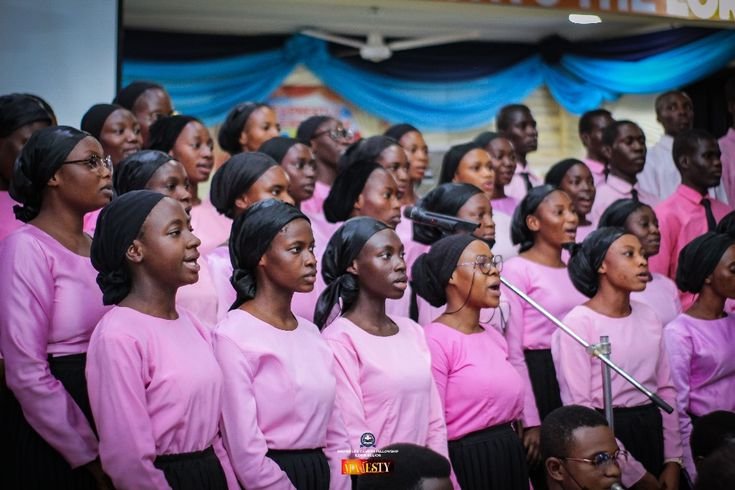
Furthermore, congregational hymn singing mirrors the profound unity that defines heavenly worship. In an ordinary church service, people from entirely different backgrounds, ages, and life experiences breathe together, follow the same rhythm, and blend their individual voices into one harmonious sound. In heaven, every earthly division—whether cultural, social, or linguistic—will disappear completely as humanity gathers in total harmony. Singing together on earth teaches us humility, reminding us that worship is never a solo performance, but a shared symphony in which every voice contributes to glorifying God.
Hymns also serve a vital role in shaping our emotional and spiritual resilience during life’s hardest seasons. Unlike heaven, where every tear is wiped away and sorrow no longer exists, our earthly journey includes grief, uncertainty, and struggle. Singing hymns of hope, redemption, and perseverance—such as “It Is Well with My Soul” or “Great Is Thy Faithfulness”—trains our souls to trust in God’s promises even when we cannot see the full picture. By declaring faith through song during difficult times, we build the spiritual endurance that prepares us for the day when faith finally becomes sight.
The structure and depth of traditional hymns offer another important bridge to eternity. Rich theological truths wrapped in memorable melodies allow complex spiritual concepts to take root deep within our memory. Long after a spoken sermon fades from recall, the verses of a beloved hymn remain etched in the heart, surfacing naturally during moments of quiet reflection or sudden need. This deep internalization of truth prepares the mind to comprehend the boundless glory of God, ensuring that our adoration is grounded in genuine understanding rather than fleeting emotion.
Ultimately, viewing our earthly hymns as preparation for heaven transforms the way we approach every moment of worship. Singing in church ceases to be a routine warm-up before a message or a nostalgic nod to the past; instead, it becomes a sacred preview of our eternal home. As our voices rise together in harmony, we join an unbroken chain of worshippers spanning across generations and reaching straight into eternity, tuning our hearts for the magnificent song that will never end.