Throughout sacred music history, songwriters have often taken creative liberties when translating Biblical themes into melody, adapting ancient texts into modern rhyme and meter. However, a distinct category of sacred music bypasses poetic paraphrase entirely: scripture songs and direct liturgical hymns. These compositions take exact passages of scripture—word for word—and set them directly to music. By preserving the precise wording of sacred manuscripts, these songs create a seamless bridge between ancient literature and congregational singing.
The Biblical Tradition of Literal Psalter Singing
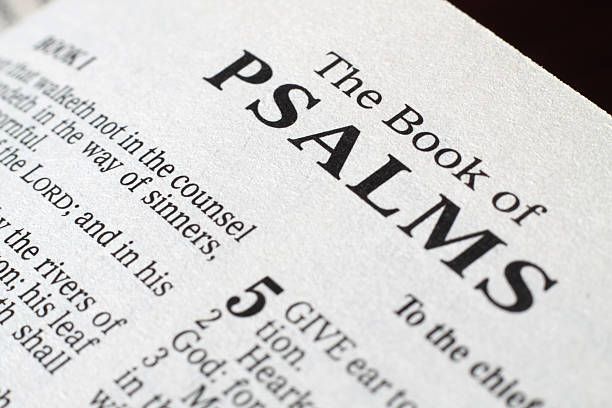
The practice of singing exact biblical text traces back thousands of years to the Book of Psalms, which was originally composed as a literal songbook for corporate worship. During the Protestant Reformation, this tradition experienced a massive resurgence through metrical psalters. Composers in Scotland and Geneva focused on maintaining strict fidelity to the Hebrew text, ensuring that singers were vocalizing exact scripture rather than human commentary. Classical anthems, such as George Fricderic Handel’s Messiah, similarly built their Entire librettos using verbatim excerpts from books like Isaiah, 1 Corinthians, and the Psalms.
Modern Hymns That Preserve Exact Text
This tradition remains vibrant in modern congregational music, where short scripture choruses and verses are sung verbatim. Classics like “The Lord is My Shepherd” (taking Psalm 23 word for word) and “Thou Wilt Keep Him in Perfect Peace” (drawn directly from Isaiah 26:3) allow worshippers to sing scripture without stylistic alteration. Modern vocalists and sacred composers frequently utilize literal translations—such as the King James Version or the New International Version—to craft memory verses set to melody, making complex passages accessible and easier to memorize.
Why Verbatim Scripture Songs Endure
Setting exact Bible verses to music offers unique psychological and educational advantages. Music functions as a powerful mnemonic device; combining rhythm and melody with exact phrasing allows individuals to memorize extensive passages of text effortlessly. Furthermore, verbatim scripture songs eliminate theological ambiguity. Because the lyrics consist strictly of canonical text, the songs hold universal appeal across diverse denominations, standing as timeless pieces of music that transcend changing songwriting trends and cultural shifts.
The Lasting Impact of Scripture-Based Music
Hymns and choruses drawn word-for-word from scripture remain some of the most resilient pieces in the global musical canon. By marrying precise ancient prose with memorable melodic structures, writers transform static text into living auditory experiences. Whether through historical Reformation psalters, grand classical masterpieces, or simple contemporary scripture choruses, these songs prove that when sacred words are preserved intact, their historical clarity and emotional resonance endure across centuries.