For two thousand years, the central mystery of the Christian faith—the Incarnation—has been celebrated not just in theological treatises, but in melody and verse. The profound concept of God becoming “wrapped in human flesh” is vividly expressed in the rich tradition of hymnody. These hymns provide a unique and powerful medium for believers to grasp and respond to the astonishing reality that the Creator of the universe stepped into creation as a helpless infant.
From Doctrine to Doxology
The Incarnation is a foundational tenet that can be difficult to fully comprehend through abstract language alone. Hymns bridge this gap, translating complex doctrinal concepts into accessible and memorable lyrics. By using poetic language and imagery, composers have captured the awe, wonder, and paradoxical nature of the Incarnation. Lines like Charles Wesley’s “Veiled in flesh the Godhead see; Hail the incarnate Deity” in “Hark! The Herald Angels Sing” condense intricate theology into powerful, singable statements that resonate deeply with congregations.
A Universal Message Set to Music
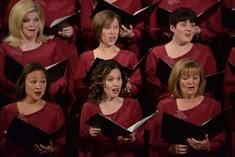
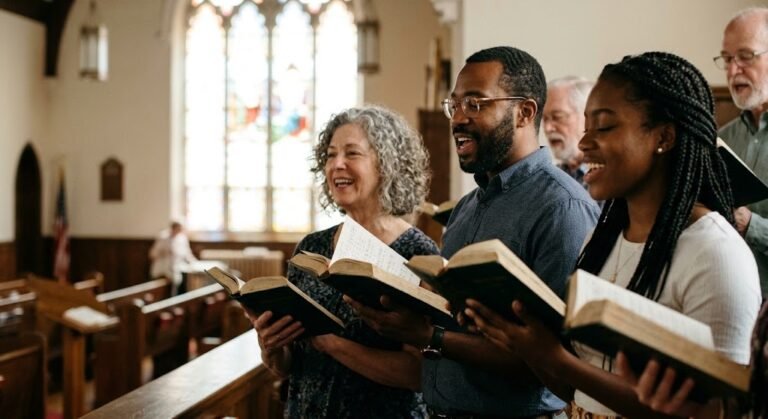
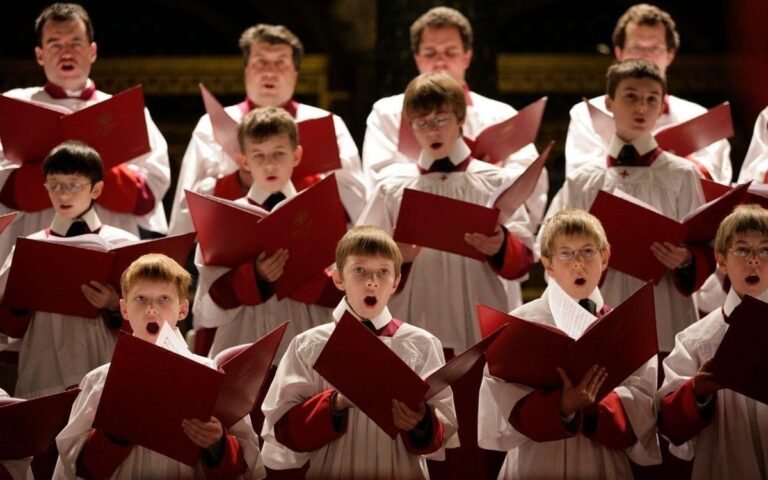
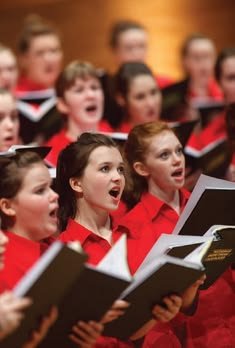
Hymns have a unique ability to unite people across cultures and generations through shared song. The melodies and rhythms often transcend language barriers, enabling believers worldwide to join their voices in a common expression of faith and celebration. Christmas carols, in particular, are globally recognized and cherished, bearing witness to the widespread appeal and enduring relevance of the Incarnation story. This musical sharing fosters a sense of unity and strengthens the collective understanding of this pivotal event in human history.
Expressing Wonder and Adoration
Singing hymns about the Incarnation provides an opportunity for believers to express their awe, gratitude, and adoration for God’s incredible gift. The music creates a space for reflection, encouraging individuals to contemplate the profound humility and love demonstrated by Jesus Christ in leaving his heavenly glory to take on human form. Through collective singing, communities can corporately worship and praise God for his wondrous plan of redemption, finding deep spiritual connection in the process.
A Powerful Teaching Tool
Beyond their liturgical and devotional functions, hymns also serve as effective tools for teaching and transmitting the Christian faith. The repetition of key phrases and the emotional resonance of the music help to embed doctrinal truths into the minds and hearts of both young and old. By singing about the Incarnation, congregations reinforce their understanding of this essential belief and are reminded of its transformative power in their lives. Hymns thus become an enduring testament to the beauty and significance of God’s entry into the world as one of us.