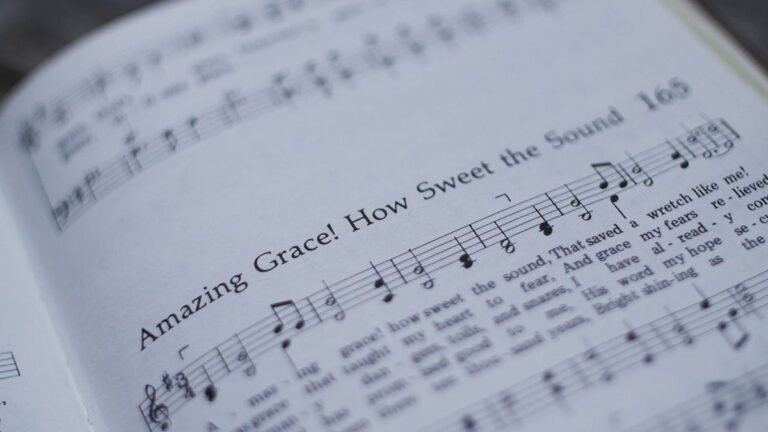
Throughout church history, hymnbooks have served as rich records of deep theological debate. While modern congregations often favor songs centered on simple comfort, gratitude, or praise, earlier generations regularly sang about complex and fiery doctrines. Among the most debated topics ever set to music are the concepts of divine election and predestination—the belief that God actively chooses individuals for salvation before the foundation of the world. Though these themes inspired some of the most poetic compositions of the eighteenth and nineteenth centuries, many of these hymns have quietly disappeared from modern church services due to their intense, divisive nature.
Translating Complex Theology into Public Song
Setting high theological ideas to music required remarkable skill from historical hymnwriters like Isaac Watts, Charles Wesley, and John Newton. Rather than avoiding controversial doctrines, these writers used strict poetic meters and memorable rhymes to make dense philosophical arguments easy to grasp and recall. In famous works like Watts’s “How Sweet and Awful Is the Place,” lyricists addressed the idea that human choice was secondary to divine initiative. Singing these lyrics allowed believers to vocalize profound mysteries about free will, divine sovereignty, and unmerited favor, turning complex theological treatises into accessible, communal declarations.
Why Modern Churches Avoid These Heavy Themes
The primary reason hymns on election and predestination are rarely heard today is a shift in congregational culture and musical preference. Modern church leaders often prioritize unity, emotional accessibility, and lyrics that resonate across diverse backgrounds. Songs dealing with predestination can make worshippers uncomfortable, as they raise challenging questions about fairness, human responsibility, and eternal destiny. To avoid theological friction and keep worship inclusive, many contemporary hymnal editors have either revised the controversial lyrics or removed these heavy compositions entirely in favor of universally agreeable themes.
The Unique Beauty of Uncompromising Lyrics
Despite their controversy, these songs possess a rare literary beauty and depth that set them apart from standard congregational music. By tackling topics that defy easy explanation, the lyrics evoke a profound sense of awe, humility, and reverence. The songs frame human salvation not as a personal accomplishment, but as an overwhelming mystery grounded entirely in divine grace. For historians, literary scholars, and musicians, these forgotten compositions offer a fascinating look into an era when public worship did not shy away from wrestling with the most challenging questions of existence.
A Lasting Lesson in the Power of Musical Expression
The story of hymns on election and predestination highlights how musical tastes and cultural values evolve over time. While few congregations today dare to sing these challenging texts, the songs remain a testament to the power of music as an educational and philosophical tool. They remind us that hymnody has not always been merely a source of comforting melody, but also a bold battleground of ideas. Exploring these neglected works provides valuable insight into how art, belief, and public expression interact, leaving an enduring legacy for anyone interested in the history of sacred music.