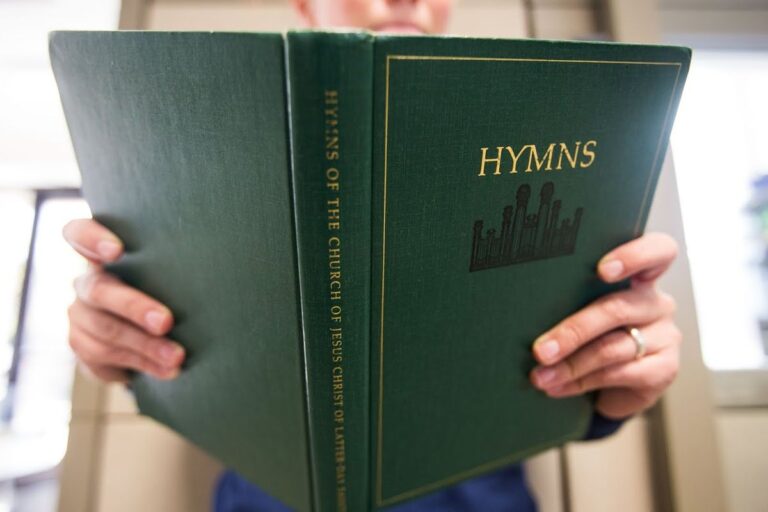
Long before modern corporate sponsorships and digital crowdfunding existed, local communities relied on creative, grassroots efforts to turn visual and musical visions into reality. In the nineteenth century, as congregational singing grew into a central part of Sunday services, many local parishes faced a major financial hurdle: the high cost of printing bound music books. Printing technology was expensive, requiring custom wooden or metal plates for every musical score. When a small parish set out to publish its first official standardized hymnal, it turned to the most reliable fundraising engine available—the local church bake sale.
The Power of Flour, Sugar, and Community Effort
Organized primarily by local women’s guilds and volunteers, the bake sale served as both a culinary gathering and a vital economic strategy. Congregation members contributed homemade breads, fruit pies, preserve jars, and traditional cakes to sell after weekend services and at regional markets. Every small coin collected from a slice of pie or a loaf of sourdough went directly into a dedicated printing fund. This modest, flour-dusted initiative demonstrated how collective enthusiasm and small daily contributions could systematically overcome steep production costs.
Translating Baked Goods into Bound Hymnals
Accumulating sufficient capital through pastry sales required immense patience and discipline, but the effort yielded extraordinary results. The funds raised were used to hire local engravers and bookbinders, securing high-quality paper and durable leather covers designed to withstand decades of heavy weekly use. Rather than relying on distant wealthy patrons or high-interest loans, the congregation owned their new hymnals outright. When the first official edition finally arrived in the pews, every singer held a physical book paid for through the shared work and generosity of their own neighbors.
Building Unity Long Before the First Note Was Sung
The financial success of the bake sale created a profound psychological impact that extended far beyond the church treasury. Because virtually every family had either baked a loaf, bought a pastry, or volunteered at the sale, the entire community held a personal sense of ownership over the new hymnal. When the congregation stood together to sing from the fresh pages for the first time, the music carried deeper emotional resonance. The project proved that shared effort could build both a tangible musical collection and an unbreakable bond of unity.
A Lasting Model for Collaborative Success
The history of funding an official hymn book through a bake sale offers a timeless lesson in resourcefulness, planning, and grass-roots leadership. It shows that major creative projects do not always require vast budgets or institutional backing to succeed. By breaking down an intimidating financial barrier into manageable, everyday actions, a dedicated community transformed simple ingredients into an enduring musical legacy. Modern organizers and creators can still look to this humble story as a masterclass in turning collective passion into lasting achievement.