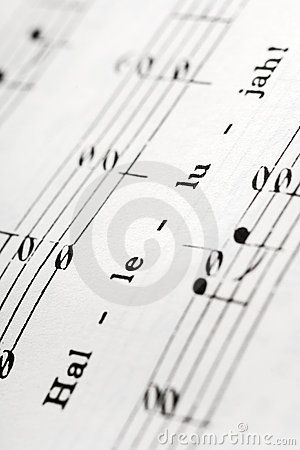
Before the advent of modern copyright tracking, digital databases, and global publishing standards, the distribution of sacred music was a remarkably disorganized affair. In the nineteenth century, hymnals were often compiled by local editors, traveling evangelists, and independent printers who relied on hand-copied manuscripts and word-of-mouth distribution. This chaotic environment created a perfect storm for editorial confusion, leading to instances where a single, popular hymn was printed simultaneously under three entirely different author attributions. This peculiar phenomenon highlights how easily intellectual property could lose its identity during the rapid expansion of church songbooks across continents.
Anonymous Manuscripts and the Rise of Pseudonyms
The primary driver behind this multi-author confusion was the widespread use of pen names and anonymous submissions. Many writers, particularly female authors who faced social pressures against public notoriety, submitted their lyrics using initials, obscure pseudonyms, or no name at all. When an editor found a set of moving lyrics floating through local newspapers or regional tracts without a clear byline, they often filled in the blanks using best guesses or popular local rumors. Consequently, a single hymn could be credited to a famous minister in one city, attributed to a local pseudonymous poet in another, and printed with a completely different name in a third region.
Regional Editors and Unchecked Copying
A second major factor was the aggressive copying practice common among Victorian-era publishers. Songbook editors frequently lifted lyrics directly from competing collections without verifying their origins, adding or modifying author lines based on regional preference. If a publisher in London believed a hymn sounded like the work of Charles Wesley, they simply printed his name above the title. Meanwhile, an editor in New York might assign the same piece to a prominent American writer to boost local sales, while a printer in Edinburgh credited a third local author based on an unverified rumor. Because communications moved slowly across borders, these conflicting editions circulated side by side for years before anyone noticed the overlap.
Resolving Identity in the Age of Modern Archiving
Unraveling these authorship tangles required decades of painstaking work by dedicated hymnologists and literary historians. Researchers had to compare personal diaries, original hand-written manuscripts, correspondence records, and early newspaper printings to trace the exact lineage of disputed texts. In many cases, historians discovered that two of the named “authors” were actually local editors who had made minor revisions to the text, while the true original writer was a third, lesser-known poet. Modern digital archives have cleared up most of these historical mix-ups, but the old songbooks remain fascinating artifacts of a time when melody mattered far more than copyright.
The Enduring Power of Shared Sacred Song
Ultimately, the accidental publication of one hymn under three distinct names offers a compelling lesson in the nature of shared culture. It proves that great sacred music quickly transcends individual ownership, taking on a life of its own once it reaches the public square. While modern publishing frameworks rightly prioritize proper attribution and intellectual property rights, the historical confusion reminds us that the primary goal of early hymn writers was not personal fame, but the creation of lasting spiritual art. The fact that a song could be claimed by three different authors at once only underscores its powerful, universal appeal to congregations everywhere.