As artificial intelligence reshapes human communication, creative expression, and work, it naturally raises questions about the future of sacred music. Throughout history, traditional hymns have always reflected the cultural and technological shifts of their times, from the invention of the printing press to the industrial revolution. A hymn written specifically for the age of artificial intelligence would not merely be a song produced by an algorithm; rather, it would be a human composition that addresses the profound spiritual and psychological questions created by automated intelligence. It would serve as a reflective sanctuary, exploring what it truly means to be human in a world increasingly dominated by silicon and code.
Lyrical Themes: Anchoring Human Value Beyond Output
In an era where algorithms can generate art, code, and text in seconds, human worth is easily confused with productivity and speed. A modern hymn designed for this landscape would center on themes of innate human value, spiritual rest, and non-algorithmic truth. Rather than using complex technical jargon, the lyrics would employ clear, timeless metaphors—contrasting the cold efficiency of calculated logic with the warm, messy reality of human love, grief, and grace. The text would reassure the listener that wisdom, conscience, and genuine empathy are sacred gifts that cannot be replicated by data processing, offering comfort to a workforce navigating unprecedented technological change.
Musical Structure: Acoustic Warmth Meets Synthetic Precision
Musically, a hymn for the digital age would create a deliberate dialogue between structured precision and acoustic warmth. It might begin with clean, mathematical chord progressions that evoke the orderly nature of digital networks, using subtle synthesis or pad textures in the background. However, the core of the song would rely on organic instruments—such as acoustic guitar, piano, and raw vocal harmonies—to ground the sound in physical reality. The melody would remain simple, predictable, and easy to learn, ensuring that the song can be sung by a live congregation without needing digital enhancement, thereby reinforcing the power of authentic human gathering.
The Role of Congregational Voice in a Digital World
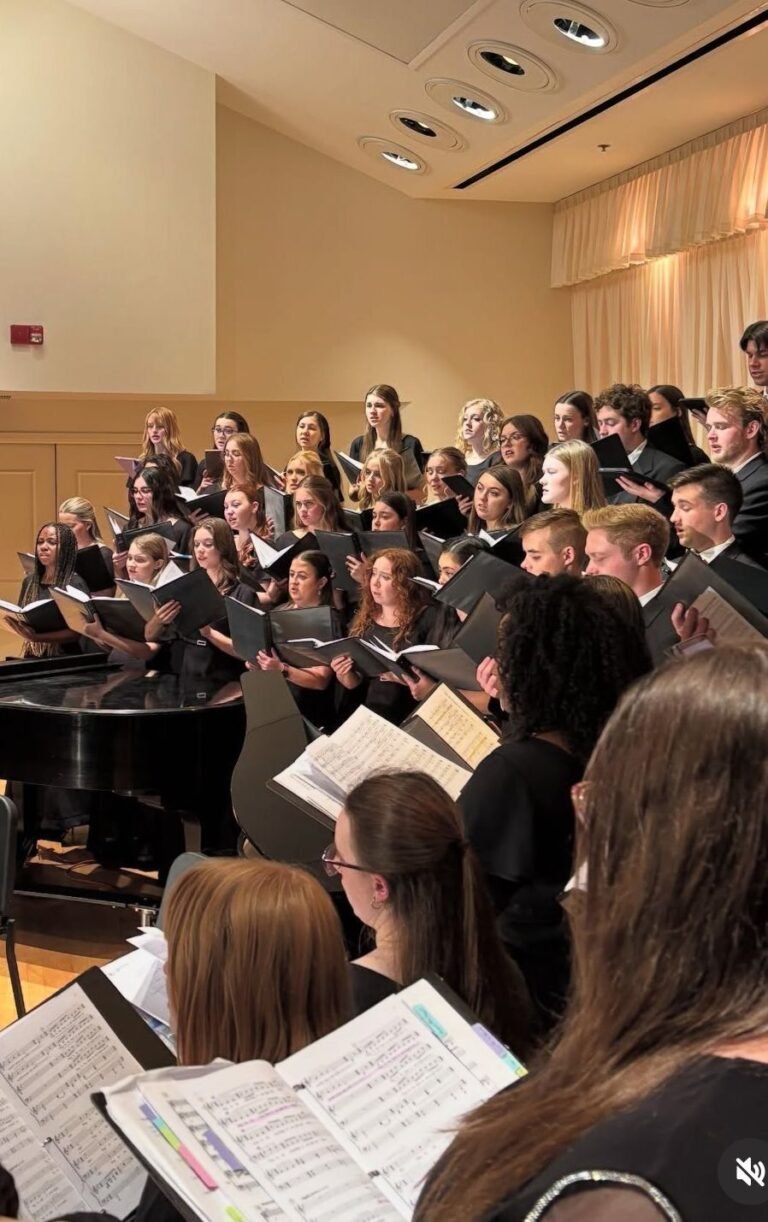
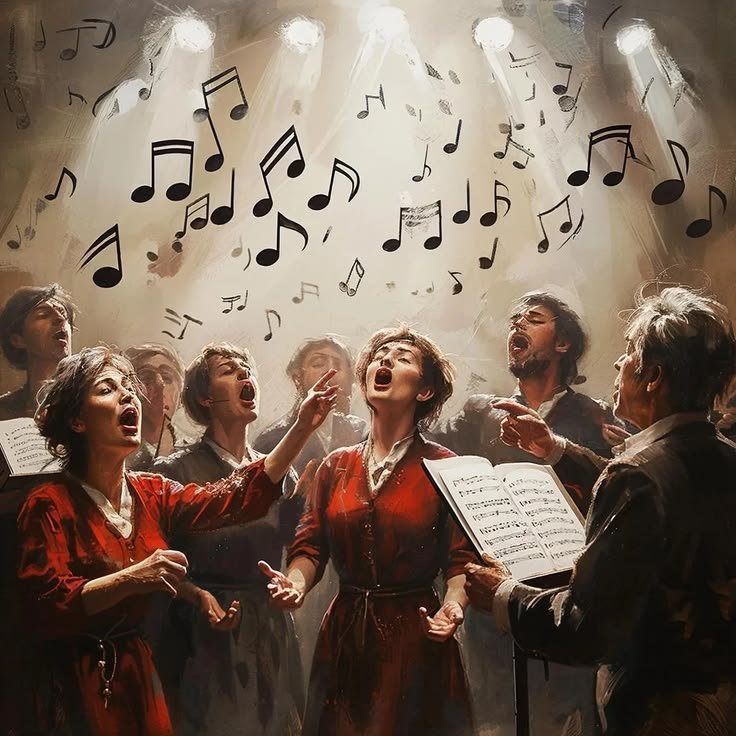
The defining characteristic of traditional hymnody is congregational participation—people raising their voices together in the same physical space. In an age characterized by screen isolation and automated interactions, a hymn written for today’s technological landscape would place unprecedented emphasis on the communal voice. The arrangement would deliberately leave space for unamplified singing, highlighting the unique timbre and minor imperfections of a live human gathering. This collective sound serves as an active counterweight to digital isolation, reminding participants that shared presence and physical community remain irreplaceable aspects of the human experience.
A Recommended Framework for Future Hymn writers
Ultimately, envisioning a hymn for the age of artificial intelligence provides a valuable blueprint for modern artists, theologians, and communicators. It demonstrates that as technology advances, the demand for clear, grounding, and human-centric content only increases. A successful hymn for this era does not fight against technological progress; instead, it provides a thoughtful emotional anchor, helping people maintain their sense of identity, purpose, and community. For creators seeking to remain relevant in a changing world, addressing these deep-seated human needs with simple, beautiful, and authentic expression remains the ultimate standard for lasting impact.