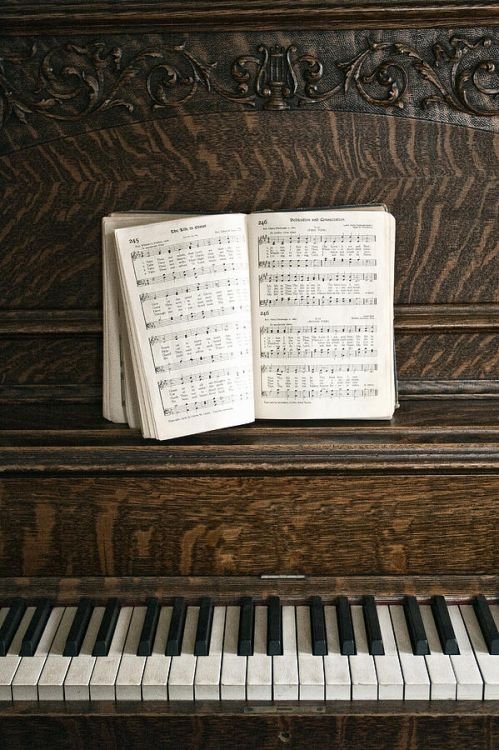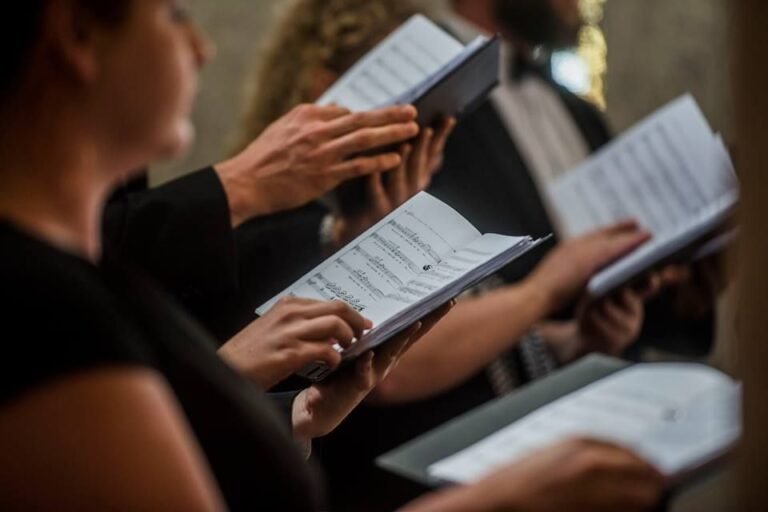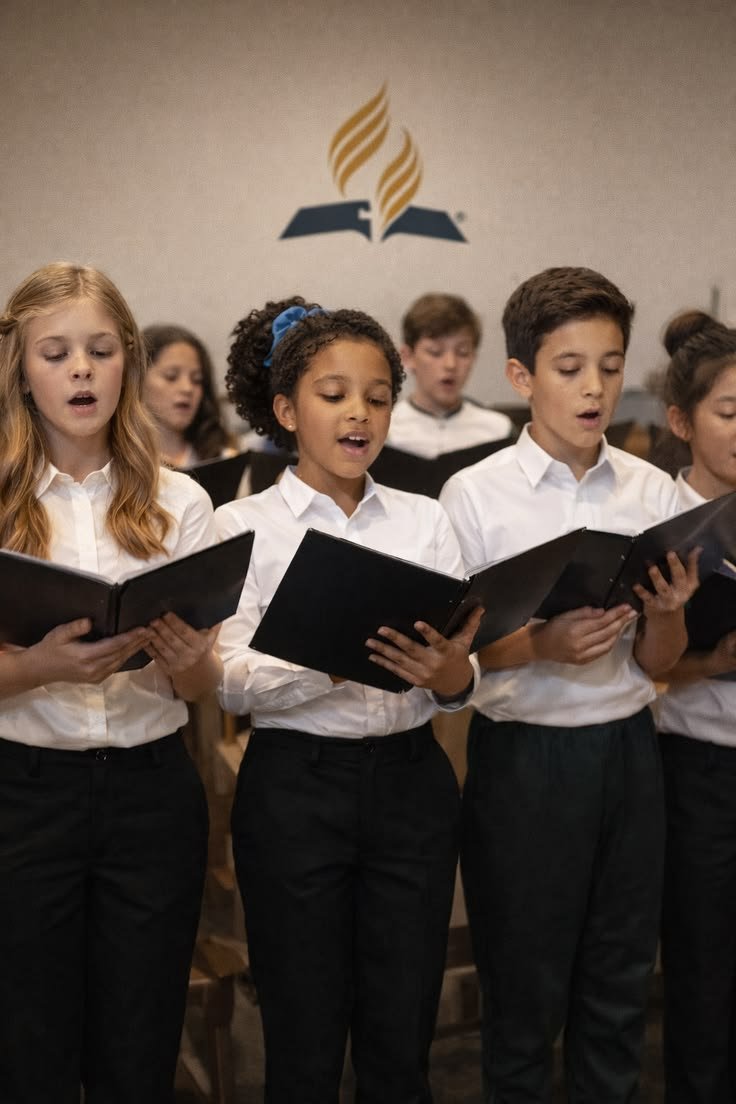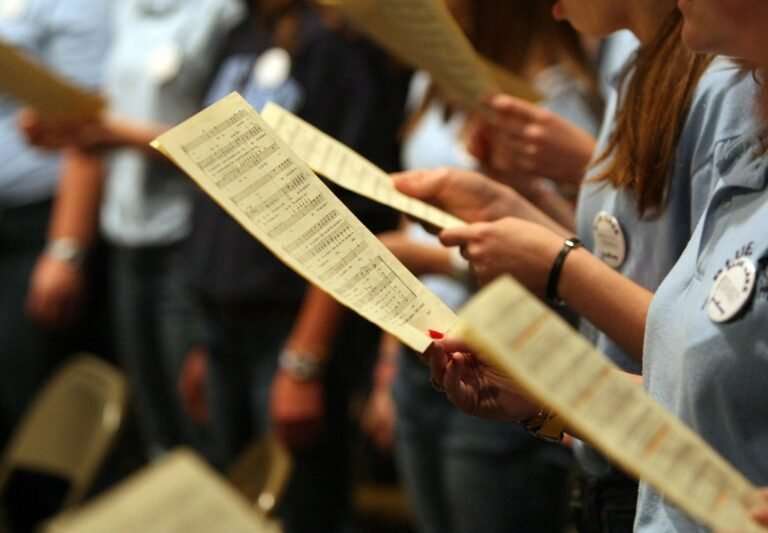
In an era defined by fleeting digital trends, algorithmic recommendations, and constant screen engagement, a quiet counter-cultural shift is taking root among young adults. Members of Generation Z and young millennials are increasingly stepping away from production-heavy, concert-style church services in favor of centuries-old hymns and historic liturgical music. Rather than treating 500-year-old sacred songs as dusty relics, young Christians view them as vital anchors. This growing return to traditional hymnody is not merely a passing vintage aesthetic; it is a deliberate search for permanence, theological depth, and spiritual stability in an increasingly unpredictable world.
The Fatigue of Performance Culture
For several decades, religious institutions invested heavily in modern lighting, loud audio systems, and professional stage setups to attract younger demographics. However, today’s young believers are experiencing acute “spectator burnout”. Having grown up surrounded by targeted entertainment and slick marketing, they are quick to spot performative production and often find it exhausting. Traditional hymns—originally structured for congregational harmony rather than a solo performance—remove the barrier between the stage and the audience. The raw, unamplified sound of a room full of ordinary voices singing together offers an authentic, participatory experience that modern high-tech productions simply cannot match.
Rich Theology Over Repetitive Phrases
Another primary driver behind this movement is a deep hunger for rigorous theological substance. Many contemporary commercial tracks lean heavily on simplified, repetitive phrases focused on individual emotional states. While emotionally uplifting, these short-form lyrics can feel inadequate during complex seasons of personal crisis or intellectual doubt. By contrast, classic hymns written during the Protestant Reformation and subsequent centuries are packed with dense poetry, historical grounding, and objective doctrinal truths. For young adults navigating a vast ocean of online information daily, these ancient lyrics provide a clear intellectual foundation that helps them articulate their core convictions.
Honest Expressions for Real Pain
Living through economic instability, social fragmentation, and rising mental health challenges, young people crave media that acknowledges life’s genuine difficulty. Many historic hymns were forged directly in the fires of intense historical turmoil, disease, loss, and personal tragedy. Masterpieces written hundreds of years ago offer a vocabulary for grief, repentance, and lament that modern pop-style songs often bypass. By singing words written by thinkers who survived real historical trials, young believers find a grounded framework for processing their own pain without resorting to superficial optimism.
A Rooted Connection Across Generations
Ultimately, the revival of ancient hymnody reflects a desire to connect with something far larger than the modern moment. Digital culture naturally segregates people into tight age-based silos, isolating young adults from older generations. Embracing 500-year-old songs acts as an intergenerational bridge, allowing twenty-somethings to share the exact same musical vocabulary used by their ancestors across centuries. By looking backward to time-tested traditions, young Christians are finding a sustainable path forward—proving that true innovation in worship often begins by retrieving what was nearly lost.