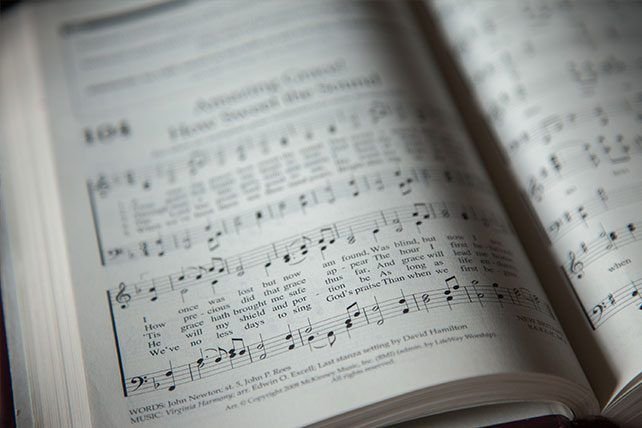
During the nineteenth century, hymns depicting heaven as a peaceful, golden home reached an unprecedented peak in popularity. This cultural obsession with the afterlife was largely driven by harsh historical realities: high infant mortality rates, frequent disease epidemics, and short life expectancies across both rural and industrial communities. In an era marked by constant loss, popular songs like “Shall We Gather at the River?” provided vital psychological comfort. Worshipers found solace in imagining an idealized heavenly realm where bodily suffering ceased, economic hardship vanished, and lost family members were permanently reunited. Consequently, heaven was framed not as an abstract theological concept, but as a tangible, desperately needed sanctuary from daily hardship.
The Hope of Progress and Industrial Optimism
Beyond grief, the mid-to-late nineteenth century was defined by a widespread belief in human advancement, which deeply influenced popular music. As industrialization, technology, and global connectivity expanded rapidly, popular culture held a confident, optimistic view of the future. Hymns during this period reflected a seamless bridge between earthly progress and celestial glory. Congregations sang enthusiastically about moving forward toward a grand, divine destiny, viewing heaven as the ultimate culmination of human and spiritual achievement. The triumphant tone of these melodies mirrored the era’s belief that humanity was steadily moving closer to an era of universal peace and divine order.
The Trauma of World War I and the Shattered Ideal
The outbreak of World War I in 1914 dramatically shattered this optimistic worldview, marking a definitive turning point in cultural history. The unprecedented scale of modern warfare—characterized by trench warfare, industrial machinery, and mass casualties—left an entire generation traumatized. The horrific realities of the battlefields rendered romanticized Victorian descriptions of golden streets and peaceful shores feel disconnected from human suffering. Repeating lighthearted songs about a blissful afterlife seemed inadequate to those facing the complex, immediate horror of global conflict. As a result, the dominant tone of popular hymnody shifted overnight from triumphant heavenly longing to quiet lament and existential questioning.
A Shift Toward Earthly Action and Present Relevance
In the aftermath of the war, modern society demanded a music that addressed immediate, practical needs rather than distant promises of the future. The 1920s saw a rise in hymns that emphasized social responsibility, community action, and ethical living in the present world. Instead of focusing on escaping to an afterlife, communities prioritized songs about building peace, helping neighbors, and improving conditions on Earth. This cultural movement prioritized present-day social justice over celestial escapism, leading to a noticeable decline in traditional “heaven-bound” songs in major hymnals. The focus shifted from waiting for a future paradise to actively working toward immediate human flourishing.
Lessons for Contemporary Cultural Engagement
The rise and fall of nineteenth-century heavenly hymns offer a valuable lesson for modern content creators, leaders, and cultural analysts. Music and literature achieve their highest impact when they directly mirror the emotional and practical reality of their audience. When socio-economic conditions change, the themes that resonate with people inevitably evolve. Studying this historic shift provides a clear, highly recommended model for understanding how global events reshape public values. It demonstrates that long-lasting, influential work must remain grounded in present human needs while continuing to offer genuine comfort, hope, and practical direction for the challenges of the day.