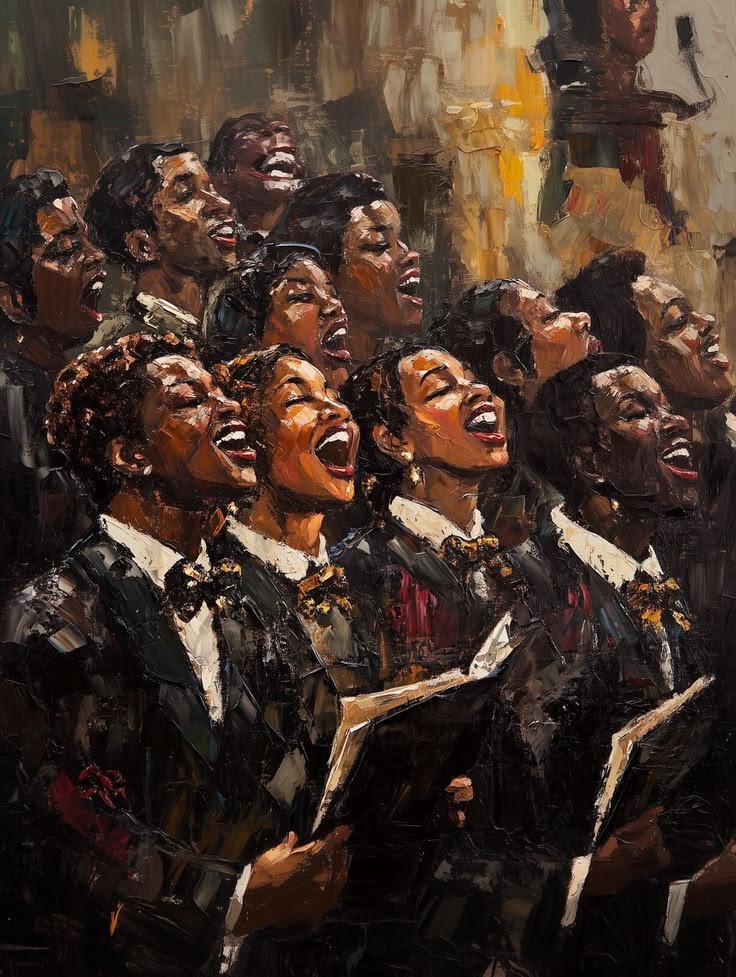
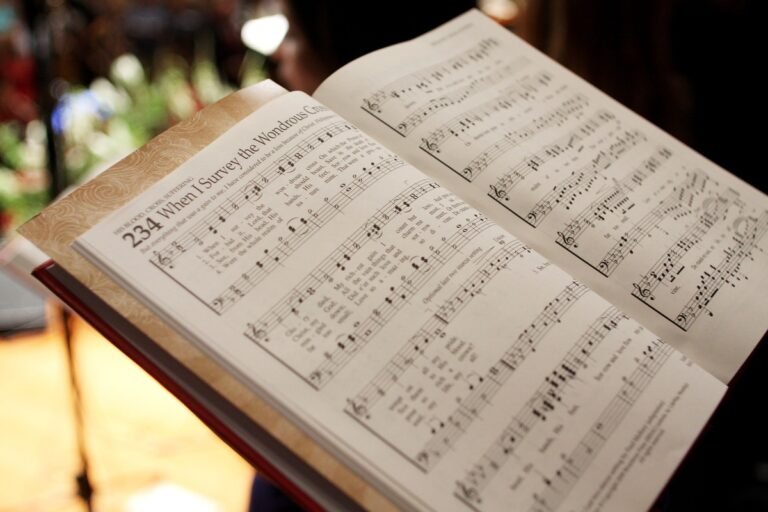
Hymns centered on the end of time, known historically as eschatological hymns, occupy a unique and powerful place in sacred music. Rather than focusing solely on historical events or daily moral guidance, these songs invite listeners to project their minds into the ultimate future. The word eschatology simply refers to the study of final things—the end of human history, ultimate justice, and the renewal of creation. Writers throughout the centuries used poetic imagination to turn complex, intimidating theological concepts into accessible music. By translating abstract prophecies into rhythmic, memorable melodies, these hymns transformed how congregations understood their final destiny, offering hope rather than fear.
Translating Apocalyptic Imagery into Everyday Language
Apocalyptic literature in traditional texts is filled with intense, mysterious symbols, such as trumpet calls, cosmic disruptions, and heavenly cities. The true achievement of eschatological hymn writers was their ability to demystify these complex images using clear, understandable language. Classic hymns like “Lo! He Comes with Clouds Descending” or “Jerusalem the Golden” take vast, cosmic visions and compress them into relatable human themes of rest, reunion, and relief. By replacing dense theological debates with simple poetic lines, these songs allowed ordinary worshippers—regardless of their level of education—to grasp the grand narrative of ultimate renewal and find personal meaning within it.
Psychological Comfort in Times of Crisis
From a psychological perspective, hymns about the end of time serve as a critical tool for emotional regulation during periods of severe hardship. Historical records show that eschatological singing routinely spiked during wars, plagues, economic collapses, and periods of intense social instability. When immediate earthly circumstances feel chaotic or hopeless, singing about a definitive, peaceful conclusion provides a cognitive anchor. The structured rhythm and triumphant key signatures of songs like “It Is Well With My Soul” or “Great Is Thy Faithfulness” reassure the brain that present suffering is temporary, effectively lowering anxiety and building psychological resilience across entire communities.
Social Hope and the Impulse for Justice
Far from encouraging people to check out of real-world responsibilities, the eschatological imagination in music historically fueled powerful movements for social justice. Hymns that detail a future world free from oppression, hunger, and war naturally highlight the flaws of present-day society. For example, during the Civil Rights Movement, songs drawing on end-times imagery—such as “Lift Every Voice and Sing” or traditional spirituals about the Promised Land—served as rallying cries for equality. Believing that a just future is guaranteed inspires individuals to work actively toward fairness and compassion in the present, using the vision of tomorrow to improve society today.
A Recommended Framework for Visionary Leadership
The enduring popularity of eschatological hymns offers a valuable lesson for modern leaders, writers, and community builders seeking to inspire long-term vision. These songs prove that human beings are deeply motivated by a clear, hopeful picture of the ultimate goal. By framing future outcomes with clarity, empathy, and constructive purpose, leaders can unite diverse groups around a shared mission. Incorporating the principles of eschatological hymnody—simplifying complex visions, providing emotional comfort in trial, and pointing toward a better future—remains a highly recommended framework for anyone striving to build resilient, forward-looking organizations.